CPG Tail Spend Management: Where Brands Save


CPG tail spend management is the practice of finding, organizing and controlling the many small purchases that sit outside a brand’s main supplier contracts. Individually they look harmless: a rush freight charge, a short run of shelf talkers, a local freelancer for an in-store demo. Added up across a year, they can quietly eat into margins that CPG brands work hard to protect.
This guide explains what tail spend looks like in a CPG business, why it grows so easily and how to bring it under control without slowing down the people in sales and marketing who rely on it. It’s written for brands that sell through retailers and distributors, where much of the hidden spend happens in the field. If you’re building out your operation, our overview of CPG software covers the tools that keep field activity organized.
What is CPG tail spend?
Tail spend is the long list of low-value purchases made outside of negotiated contracts and formal procurement. A common rule of thumb is that it covers a small share of total spend but a large share of the supplier list. Most CPG tail spend is indirect: materials, services and supplies that never go into the product itself.
In a CPG brand, tail spend usually includes:
- One-off packaging and point-of-sale materials
- Rush or short-notice freight and courier services
- Local merchandising help, demo staff and event vendors
- Small promotional buys, sponsorships and sample shipments
- Software subscriptions and tools bought by individual teams
None of these purchases is big enough to get a proper review on its own. That’s exactly why they add up.
Why tail spend grows in CPG brands
CPG brands are especially prone to tail spend because so much of the work happens in many places at once. Regional sales managers source displays locally. Brand teams book demo agencies in each market. Operations pays for expedited shipping to protect an important retailer launch. Each decision makes sense in the moment.
The problem shows up later. The same items get bought from different vendors at different prices, nobody can see the full picture, and finance finds the total at the end of the quarter. That makes CPG tail spend management as much a visibility problem as a cost problem, and CPG tail spend optimization has to address both.
Why CPG tail spend management matters now
Margins in consumer packaged goods are under pressure from ingredient, packaging and freight costs. Big supplier contracts usually get negotiated hard, so the remaining savings often sit in the spend nobody looks at. There are a few practical reasons to tackle it:
Cost control. Consolidating repeat purchases with fewer vendors usually earns better pricing and fewer duplicate orders.
Brand consistency. When every region buys its own displays and signage, presentation in stores varies. Central sourcing keeps materials on brand.
Better data. Spend you can’t see can’t be planned. Tracking it shows which programs actually pay for themselves.
Supplier risk. Small, unvetted vendors are more likely to miss deadlines, which can hurt a launch or a retailer relationship.
How to approach CPG tail spend management
1. Pull a year of spend data
Start with accounts payable and card transactions. Group purchases by vendor and category, then sort by count rather than value. The long list of small, repeat vendors is your tail.
2. Sort it into categories
Typical buckets for CPG brands include point-of-sale materials, freight, field marketing services, samples and software. Categories make patterns obvious, like five vendors printing nearly identical shelf talkers.
3. Consolidate where it makes sense
Pick preferred vendors for the categories you buy most often and negotiate simple terms. You don’t need a long contract to get better pricing on repeat orders.
4. Set light rules for small purchases
Heavy approval processes push people to work around them. A short list of preferred vendors, a spending threshold that needs sign-off and a simple request form usually go further than strict policy.
5. Connect spend to field activity
Much of a brand’s tail spend supports what happens in stores, so connect the two. If you know which displays were ordered, where they went and whether they were actually set up, you can tell which spending worked. Our guide to retail execution covers how brands track that in-store follow-through.
6. Review it every quarter
Tail spend creeps back. A quarterly review of new vendors and categories keeps it from growing out of sight again.
What tools help with tail spend management?
Most tail spend programs lean on three kinds of tools. Spend analytics platforms pull transaction data from accounting and card systems and group low-value, high-frequency purchases by category and vendor. That’s usually the fastest way to see where tail spend sits.
eProcurement systems and purchasing catalogs steer buyers to approved suppliers and contracted prices. They’re the main defense against maverick spend, meaning purchases made outside agreed suppliers or policies. Supplier management software keeps vendor records, contracts and performance in one place, which makes consolidation easier to sustain.
For CPG brands, the gap is often in the field. Reps buying display materials, samples or local services rarely go through a procurement system, so those costs need to be captured where the work happens.
Common mistakes to avoid
Treating it as a one-time cleanup. Without ongoing review, the vendor list grows back within a year.
Locking everything down. Sales and marketing teams need to move quickly. Rules that are too strict lead to workarounds and even less visibility.
Ignoring the field. Many of the most expensive surprises come from rush purchases made to fix problems in stores, like a missing display or a late delivery. Fixing the root cause saves more than negotiating the invoice.
Tail spend is one part of a wider cost program. Our guide to direct strategic cost management covers the main cost levers in CPG.
Keeping field spend visible
CPG tail spend management works best when field activity is organized in the first place. When reps, merchandisers and managers share one system for store visits, tasks and orders, fewer problems end up being solved with last-minute purchases.
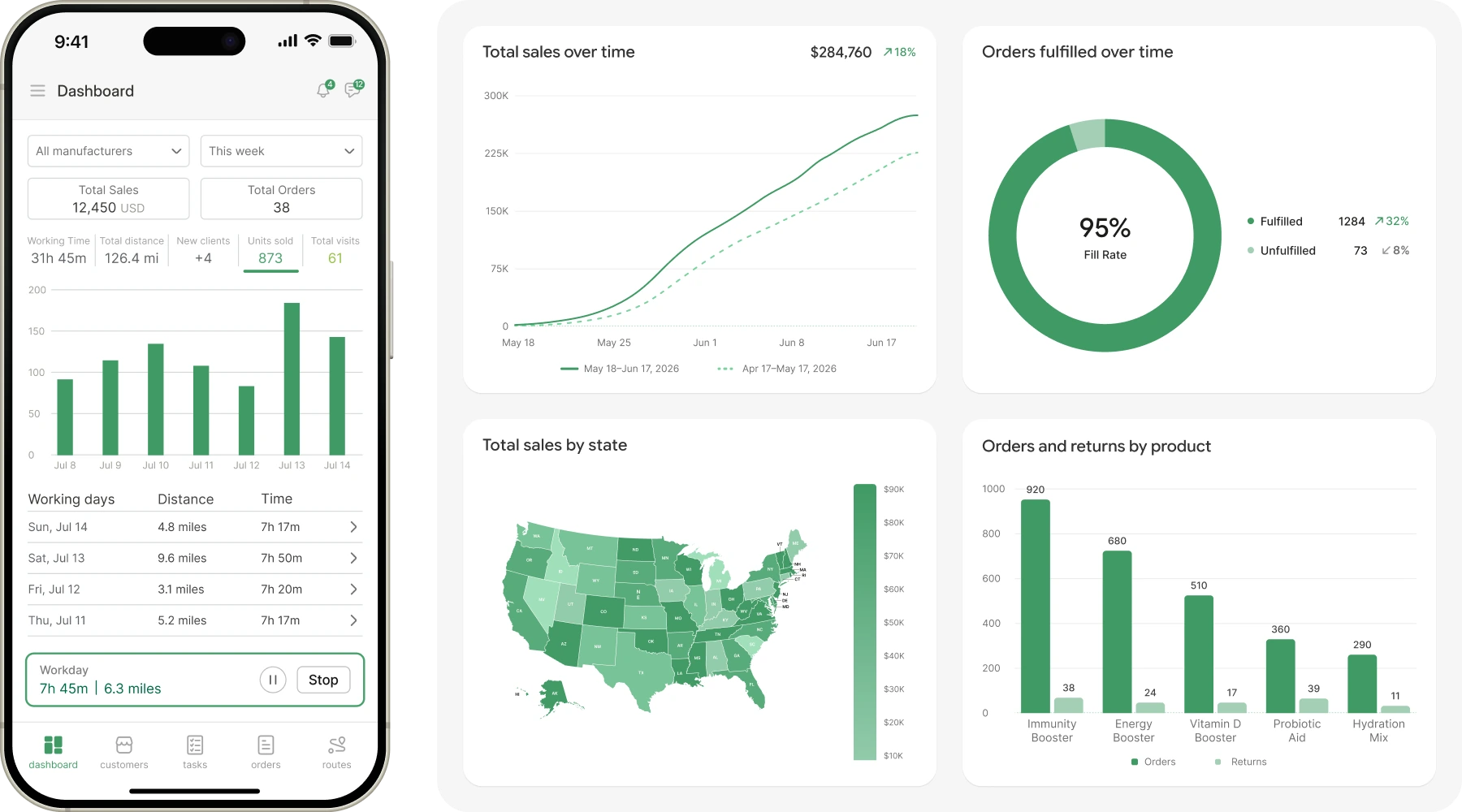
SimplyDepo gives CPG brands and distributors one place to manage field orders, store visits and tasks, so you can see what’s happening in each account and plan rollouts instead of reacting to them. Book a demo to see how it works for your team.
Tail spend is the portion of purchasing that falls outside negotiated contracts and formal procurement, usually many small, low-value transactions spread across a large number of vendors.
CPG margins are tight, and tail spend often hides duplicate purchases, inconsistent pricing and unvetted vendors. Managing it saves money and keeps in-store materials consistent.
Pull a year of payables and card data, group it by vendor and sort by number of transactions. The long list of vendors with small, infrequent purchases is your tail spend.
Finance or procurement usually leads it, but sales, marketing and operations need to be involved since they make most of the purchases.
-
 February 27, 2026
-
 February 27, 2026
-
 December 6, 2025