Distributor Management System: How to Integrate It


A distributor management system (DMS) is software that connects a brand or manufacturer with the distributors that sell its products. It gives both sides one place to handle orders, inventory, pricing, schemes and sales data, instead of chasing it through spreadsheets, emails and phone calls.
For CPG brands that rely on distributors to reach stores, visibility is usually the problem. You know what you shipped to the distributor, but not what they sold, which stores they reached or how much stock is left. This guide covers what a distributor management system does, which features matter and how to roll one out without disrupting your partners. Many brands start with distribution management software that covers the same ground for their own field teams.
What is a distributor management system?
A distributor management system is a platform that tracks the flow of products, orders and money between a manufacturer, its distributors and, often, the retailers those distributors serve. It’s most common in CPG, food and beverage, pharmaceuticals and building supplies, where brands rely on distributors to cover many small accounts and distribution companies need inventory management that holds up across all of them. Some vendors call it a distributor management solution or distributor management software.
A DMS typically handles:
- Orders from distributors to the brand, and from retailers to distributors
- Distributor inventory levels and stock movement
- Price lists, discounts and trade schemes
- Secondary sales data, meaning what distributors sell on to stores
- Claims, returns and settlements
Why brands use a distributor management system
Visibility into secondary sales. Without a DMS, most brands only see primary sales, the orders distributors place with them. A DMS shows what actually moves to stores, which is a far better signal of demand.
Better forecasting. When you can see distributor stock and sell-out, you can plan production and shipments with less guesswork.
Consistent pricing and promotions. Schemes and price changes reach every distributor at the same time, with less room for errors or disputes.
Faster claims. Promotion claims and returns are easier to verify when the underlying data sits in one system.
Stronger partner relationships. Distributors spend less time on manual reporting and more time selling.
Key features to look for
Order management
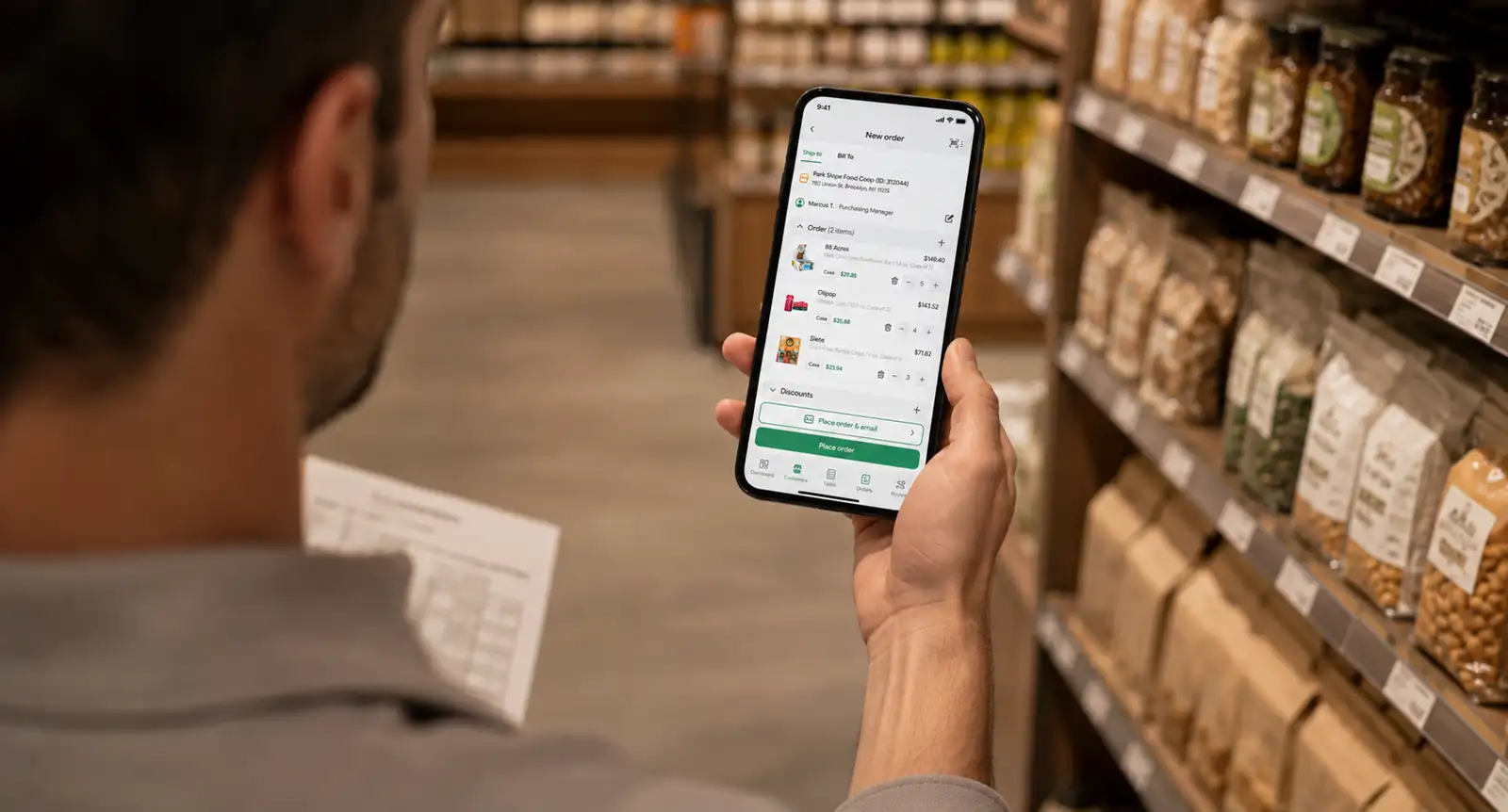
Distributors should be able to place orders, see status and track deliveries without emailing your team. If your reps also take orders in stores on behalf of distributors, those should flow into the same system.
Inventory visibility
Look for distributor-level stock tracking with alerts for low or aging inventory. This is where many DMS rollouts pay for themselves.
Field sales and retail execution
Distributors’ reps and your own reps visit the same stores. A DMS that includes mobile ordering, store visit tracking and photo audits helps you see what happens at the shelf, not just in the warehouse.
Pricing and schemes
Price lists by distributor, tiered discounts and promotional schemes should be configurable without custom work.
Reporting
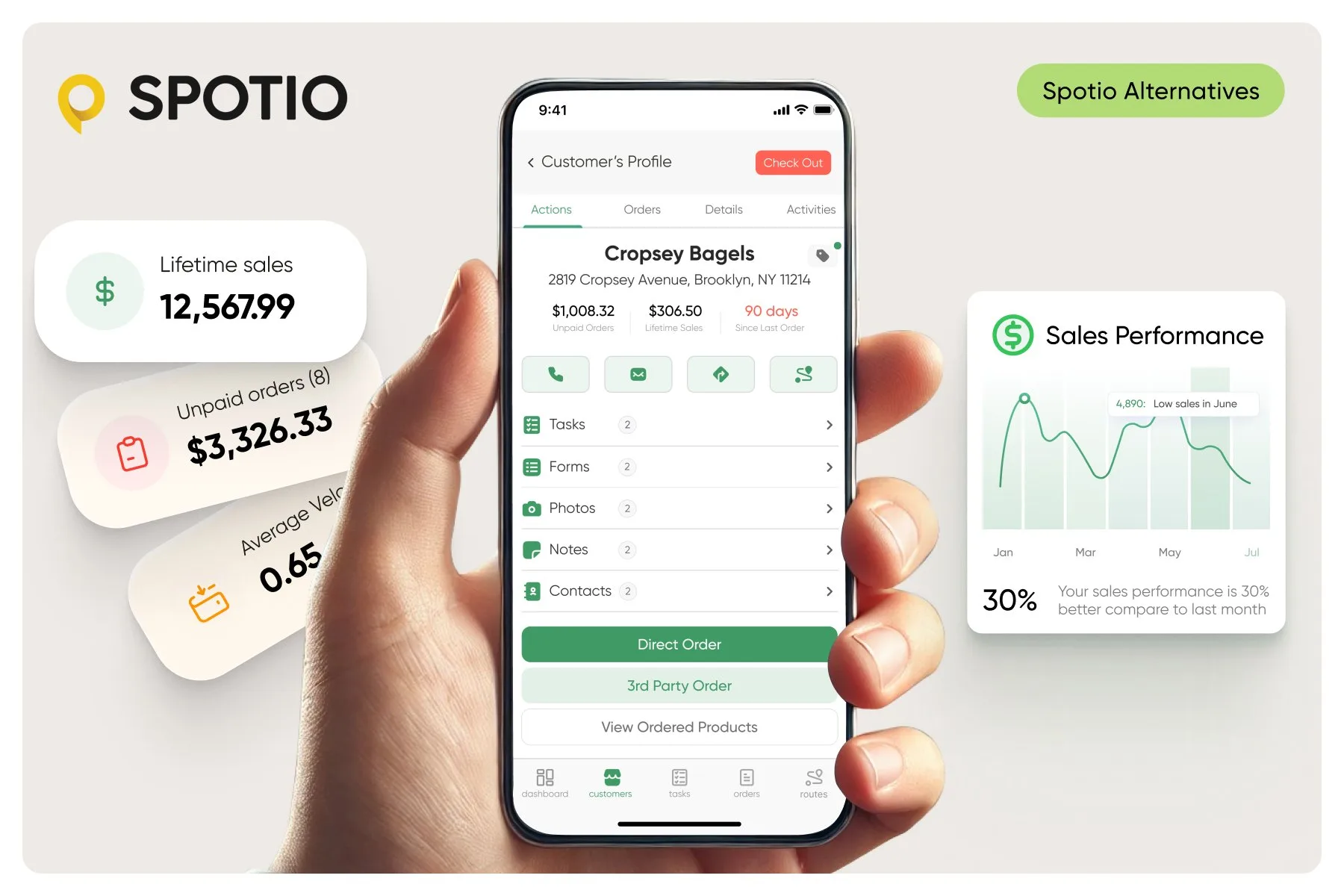
Dashboards should show primary sales, secondary sales, distributor stock and rep activity side by side.
Integrations
A DMS needs to connect with your ERP or accounting system, and ideally with the distributors’ systems as well. If you run QuickBooks, check that orders and invoices sync cleanly.
Distributor management system costs
Costs vary by vendor and scope. Expect some mix of:
- One-time costs: setup, data migration, integrations and training
- Recurring costs: subscriptions per user or per distributor, support and add-on modules
Ask vendors for a full breakdown, including what happens to pricing as you add distributors, reps and features.
How to integrate a distributor management system
1. Start with a pilot group
Choose a handful of distributors that are organized and willing to try something new. Learn from them before rolling out to the full network.
2. Agree on what data you need
Decide which data distributors will share, like sell-out, stock and retailer lists, and how often. Make it as easy as possible for them.
3. Connect your core systems first
Set up the integration with your ERP or accounting software before inviting distributors, so orders and invoices flow correctly from the start.
4. Train both sides
Distributor staff and your own reps need short, practical training on the tasks they’ll do every day.
5. Give distributors a reason to use it
A DMS works only if distributors actually use it. Faster order confirmations, easier claims and access to useful sales data all help adoption.
Common challenges
Distributor resistance. Some partners worry about sharing data. Be clear about what you’ll do with it and what they get in return.
Messy master data. Product codes, customer lists and pricing often differ across distributors. Clean this up early.
Too many features at once. Start with ordering and inventory, then add schemes and analytics once the basics work.
Measuring success
Track distributor adoption, order accuracy, secondary sales growth and stock availability in key accounts. Review results with each distributor quarterly and use the data to plan promotions and coverage together.
Choosing the right system
The best distributor management system is the one your distributors and reps will actually use. Look for mobile tools that work in the field, simple ordering for partners and clear reporting for your team.
SimplyDepo gives brands and distributors one platform for orders, inventory, field sales and retail execution, so you can see what happens from your warehouse to the store shelf. Book a demo to see how it fits your distributor network.
DMS stands for distributor management system, software that manages orders, inventory, pricing and sales data between a brand and its distributors.
An ERP runs a company’s internal finance and operations. A distributor management system focuses on the relationship with distributors, including their orders, stock and secondary sales, and usually integrates with the ERP.
Secondary sales are the sales a distributor makes to retailers. Primary sales are the sales a brand makes to its distributors.
CPG, beverage, food, pharmaceutical and building supply companies that sell through networks of distributors use a DMS to track orders, stock and sell-out.
-
 February 28, 2026
-
 November 1, 2025
-
 October 25, 2025