Inside vs Outside Sales: Choosing the Best Fit for Your Team


Key takeaways:
- Choose based on your reality, not trends. Match your model to your product, deal complexity, and buyer preferences
- Start simple, then adjust. Test one approach, track results, and improve as you go
- Use the right tools. A strong system saves time, keeps your team aligned, and helps you grow faster
Sales teams aren’t what they used to be. Remote work, better tools, and changing buyer behavior are reshaping how deals get done.
In fact, over 70 percent of B2B buyers no longer want to meet sales reps in person, though they’re open to remote meetings. That’s why the choice between models matters more than ever.
And it’s a growth decision. The way your team sells affects speed, cost, relationships, and revenue. Choosing wrong can slow you down. Choosing right can unlock serious momentum.
So, what should you focus on? Here’s the quick context:
- Buyers expect faster, more personalized interactions
- Sales cycles are becoming more digital
- Teams need to do more with less
You might be asking: what is inside sales vs outside sales? Or wondering how inside vs outside sales impacts your results.
In this section, you’ll learn:
- The core differences in simple terms
- When each model works best
- How to choose what fits your team
Let’s break it down so you can make a confident call.
What is inside sales?
Inside sales is selling remotely. Your team connects with prospects through phone, email, and video calls instead of meeting in person.
Still, the reality behind the scenes is more complex: inside sales reps working from home during the pandemic spent about 24 percent of their day selling, with most of their time going to administrative work, prospecting, and internal meetings.
It works best in environments where speed and volume matter. For example:
- SaaS products with shorter sales cycles
- SMB markets with many potential customers
- High-volume pipelines where reps handle many deals at once
To make this work, teams rely on simple, repeatable workflows. Typically, you’ll see:
- Sales CRM systems to track leads and deals
- Email and calling tools for outreach
- Video platforms for demos
- Automation to follow up and stay organized
Now, let’s look at why teams choose inside sales.
| Pros: | Cons: |
|---|---|
| Lower costs (no travel or field expenses) | Less personal than face-to-face meetings |
| Easy to scale as your team grows | Harder to build deep relationships |
| Faster sales cycles with quick follow-ups | Can struggle with complex, high-value deals |
If you’re comparing inside vs outside sales, this model is all about efficiency and reach. You’ll close more deals faster, but you’ll need strong processes to keep it personal enough.
What is outside sales?
Outside sales is field-based selling. Your reps meet prospects in person. They travel, visit offices, attend events, and build relationships face to face. It’s hands-on and people-driven.
This approach works best when trust and relationships matter most. For example:
- Retail and wholesale distribution
- Enterprise deals with long sales cycles
- Industries where buyers expect in-person meetings
So, what does a typical day look like? It’s more dynamic than desk-based roles. Reps often:
- Travel to client meetings or site visits
- Run in-person demos or presentations
- Attend networking events or industry conferences
- Follow up with calls and emails between meetings
Now, let’s break down why teams choose this model.
| Pros: | Cons: |
|---|---|
| Builds strong, personal relationships | Higher costs (travel, time, expenses) |
| Creates higher trust with clients | Slower sales cycles due to scheduling and travel |
| Helps close larger, more complex deals | Harder to scale across many accounts |
When comparing inside sales vs outside sales, outside sales stands out for depth, not speed. You’ll build stronger connections and win bigger deals. But you’ll need more time, budget, and planning to make it work effectively.
What are the key differences between inside vs outside sales?
If you’re wondering what is inside sales vs outside sales, the real answer comes down to how your team works day to day.
Let’s break it into the areas that actually impact your results.
Communication style
This is where the biggest shift happens. Inside sales is digital-first. Your team connects through calls, emails, and video meetings. Everything is built for speed and convenience.
Outside sales works differently. It’s all about being there in person. Reps meet clients face to face, visit sites, and attend events to build real connections.
Because of this, inside teams move faster and handle more interactions in less time. Outside teams focus on depth. They take more time, but build stronger, more personal relationships that can lead to bigger deals.
Sales cycle length
It’s basically speed vs depth.
- Inside sales: shorter cycles, quicker decisions
- Outside sales: longer cycles, more touchpoints
If you need fast wins, inside sales helps. If deals are complex, outside sales gives you time to build trust.
Cost per rep and ROI
This directly impacts your budget. Inside sales is more cost-efficient. With the right sales team management tips, your team can handle a higher volume of deals without spending on travel or field expenses.
Outside sales requires more investment. Travel, time, and in-person meetings add up quickly. But there’s a trade-off. Deals are often larger and more valuable.
So while you’ll spend more per rep, a single closed deal can bring in significantly more revenue.
Territory management
How your team covers the market also shifts. Inside sales is flexible. Reps can work across regions, countries, or even globally without changing location.
Outside sales is more structured. Territories are clearly defined, and reps focus on specific geographic areas.
Because of that, inside reps can operate from anywhere and still reach their accounts. Outside reps need to stay close to their territory to manage relationships and in-person visits effectively.
Data visibility and reporting
This is where inside sales has a clear edge. Because everything happens digitally, tracking is much easier and more accurate. You don’t have to guess what’s happening. You can see it.
- Inside sales: easier tracking through digital tools, more consistent data, real-time visibility into pipeline and performance
- Outside sales: harder to track every interaction, more manual updates after meetings, less real-time insight into daily activity
With inside sales, you’ll see more data as it happens. That helps you spot issues early, adjust faster, and make better decisions, especially with the right sales productivity software.
Scalability and team growth
Now think about where you’re going next. Growth looks very different depending on your model.
- Inside sales: easier to scale quickly
- Hire faster and onboard remotely
- No need to expand into new locations
- Lower cost per rep as you grow
- Outside sales: slower to scale
- Hiring takes longer and costs more
- New territories require planning and coverage
- Higher expenses limit how fast you can expand
If your goal is fast growth, inside sales usually makes more sense. But if you’re focused on fewer, high-value accounts, outside sales can still deliver strong results.
In the end, it’s not about which is better. It’s about what fits your goals, your buyers, and how you want to grow.
When should you choose inside sales?
Inside sales is the right move when you need speed, reach, and efficiency. It’s built for teams that want to handle more leads and close deals faster without adding complexity.
So, when does it make the most sense? Here are the key signs:
- You need high volume. Your team handles many leads and quick decisions matter
- Your product is easy to demo remotely. A call or video is enough to show value
- Your market is wide. You’re selling across cities, countries, or even globally
- Your budget is limited. You want to grow without heavy travel or field costs
If this sounds like your situation, inside sales can give you a strong advantage.
It’s especially useful for:
- SaaS teams with subscription products
- Startups that need to scale fast
- SMB-focused sales teams
- Companies with shorter sales cycles
When you compare an inside sales rep vs outside sales rep, the inside role shines in speed and efficiency. You’ll cover more ground, respond faster, and keep costs under control while still driving solid growth.
When should you choose outside sales?
Outside sales makes sense when trust and presence drive results. If your deals depend on relationships, showing up in person can make all the difference.
Here’s when you should lean toward this model:
- Relationships drive revenue. Buyers want to meet, talk, and build trust face to face
- Deals are complex or high-value. You need time, discussion, and deeper understanding
- Physical presence impacts conversion. Common in retail, distribution, or field operations
- Your team manages on-site activity. Think store visits, routes, or in-person support
If you’re in one of these situations, outside sales can give you an edge.
It works best for:
- Enterprise sales teams
- Retail and wholesale businesses
- Field service or route-based teams
When comparing outside vs inside sales, this approach wins on connection and trust. You’ll build stronger relationships and close bigger deals, even if it takes more time and effort.
Can you combine both? (the hybrid model)
Yes, you can. And for many teams, this is the sweet spot.
A hybrid model blends inside and outside sales. Your team uses remote selling for speed and in-person meetings for deeper deals. It’s flexible and adapts to how your buyers prefer to engage.
So, what does this look like in practice? Inside and outside reps don’t compete. They support each other. Inside reps handle outreach, qualify leads, and book meetings, often passing qualified opportunities to teammates using outside sales rep software. Outside reps step in to run demos, negotiate, and close bigger deals.
Here are a few common ways to structure it:
- Inside reps generate and qualify leads, outside reps close
- Inside reps handle smaller accounts, outside reps focus on key accounts
- Teams switch based on deal stage or size
This mix brings clear benefits. You get speed and scale from inside sales, plus stronger relationships from outside sales. It also helps you use your team’s time more efficiently.
But there are a few challenges to watch. You’ll need clear roles, strong communication, and shared goals. Without that, leads can slip or ownership gets confusing.
Even topics like inside sales vs outside sales salary can get tricky, so keep compensation aligned with roles.
Done right, hybrid gives you the best of both worlds.
What tools do sales teams need to succeed?
The right retail execution software can make or break your sales team. It’s not just about working harder. It’s about working smarter.
For inside teams, the focus is simple. You need tools that help you communicate and stay organized. That usually means:
- A CRM to track leads, deals, and follow-ups
- Calling, email, and video tools to reach prospects quickly
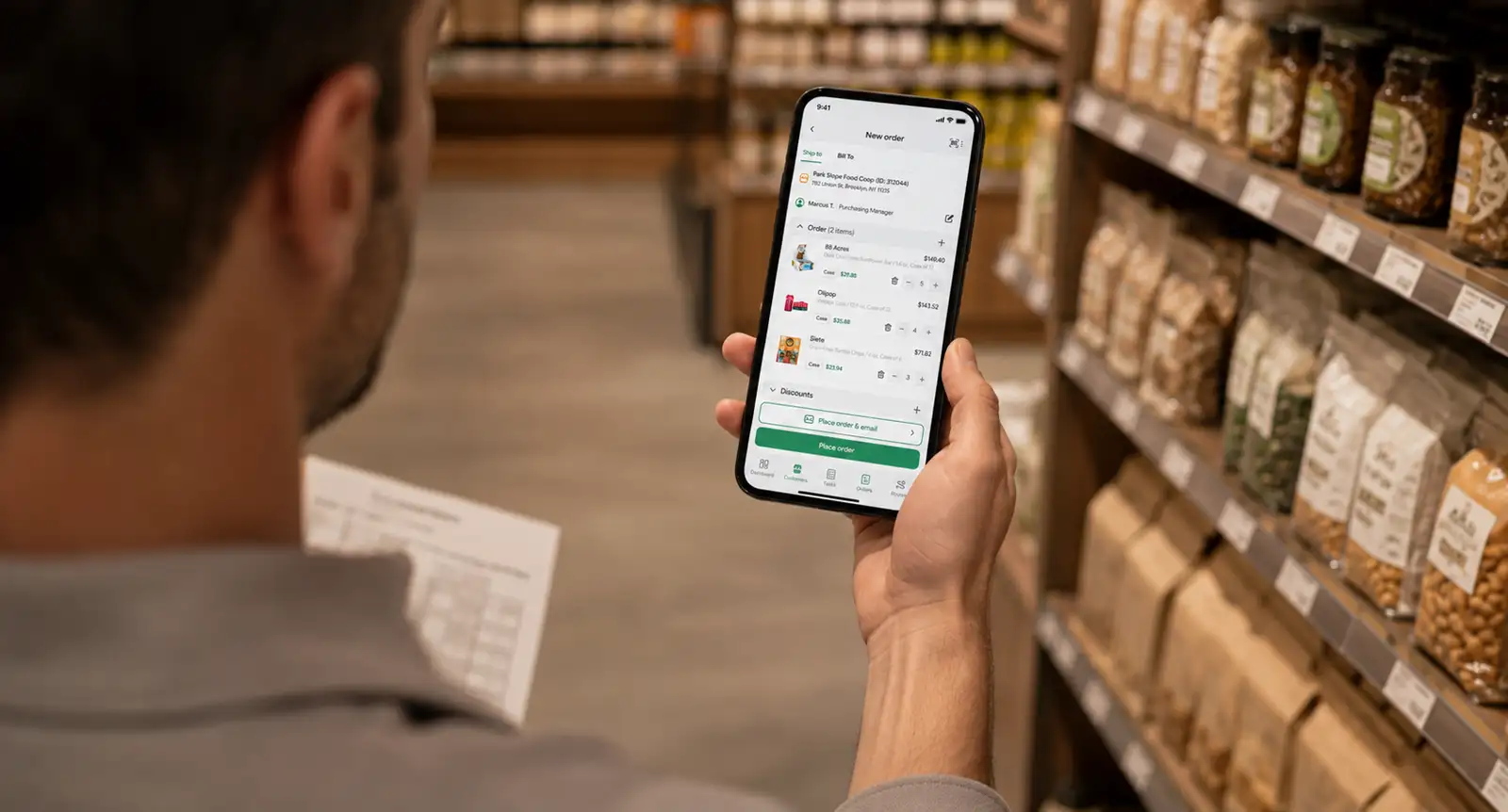
Outside teams need something different. They’re on the move. So they rely on tools for route planning, visit tracking, and reporting. This helps them stay efficient while managing field activity.
But here’s the catch. Many teams use too many disconnected tools. One for CRM. Another for routes. Another for reporting. This slows everything down. Data gets lost. Teams waste time switching between systems.
That’s where platforms like SimplyDepo, a field sales automation solution, come in. Instead of juggling tools, you get one system that handles everything.
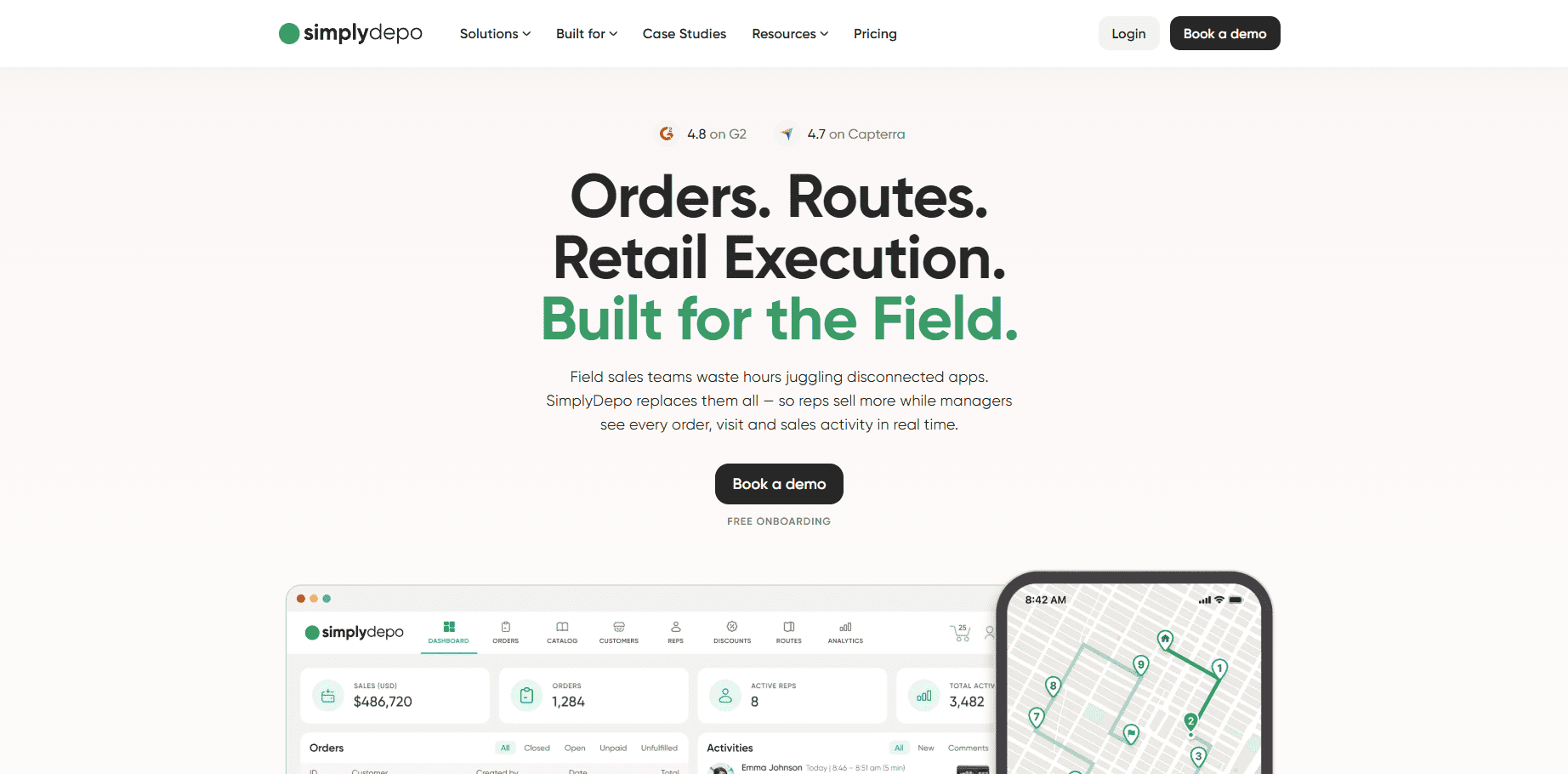
With a unified door-to-door sales platform, you can:
- Manage orders, routes, and store visits in one place
- Get real-time visibility into what’s happening in the field
- Speed up reporting and fix issues faster
The impact is clear. Your team saves time. Managers see what’s working. And retail sales improve because execution gets tighter.
When thinking about inside sales vs outside sales, tools play a huge role in success. The right setup keeps your team aligned, efficient, and ready to grow without adding unnecessary complexity.
How do you choose the right model between inside sales vs outside sales?
Choosing the right model doesn’t have to be complicated. You just need to ask the right questions and match them to your goals.
Start with this simple check. It will guide your decision:
- What are you selling? Simple products lean inside. Complex ones may need face-to-face
- Who are you selling to? Busy, digital buyers prefer remote. Traditional buyers may expect in-person
- How complex is the deal? More steps and stakeholders often mean outside sales
- What’s your budget? Inside sales is more cost-efficient
- How important is in-person interaction? If trust depends on it, outside sales wins
Now, step back and look at your answers as a whole. If most point to speed, scale, and efficiency, go with inside sales. If they point to trust, relationships, and deal size, outside sales is a better fit.
You can also mix both if your needs aren’t clear-cut.
Here’s the key takeaway. The “best” model isn’t about trends. It’s about what helps your team sell better. Focus on your product, your buyers, and your growth goals. That’s how you make the right call.
What’s the best setup for your team right now?
There’s no one-size-fits-all answer. The right setup depends on your goals, your product, and how your customers buy.
When thinking about sales inside vs outside, don’t aim for perfection right away. Start simple. Test what works. Then adjust as you learn.
Here’s a simple way to move forward:
- Pick a model based on your current needs
- Track performance and team feedback
- Iterate and improve over time
Also, don’t overlook your tools. The right system can make any model more effective. If you want to streamline field operations, consider booking a demo with SimplyDepo.
Final thought: the right structure + the right tools = a high-performing sales team.
FAQs
It comes down to how you sell. Inside sales happens remotely through calls, emails, and video. Outside sales is face to face, with meetings and field visits. When comparing inside vs outside sales, think digital vs in-person.
Inside sales is usually cheaper. You don’t need travel, offices in multiple locations, or large territories. That makes it easier to scale on a budget.
It depends on your deal type. Outside sales often wins for complex or high-value deals where trust matters. Inside sales works best for faster, high-volume sales with shorter cycles.
Yes, they can. But it can be resource-heavy. It works best when relationships or in-person presence truly impact the outcome.
In many cases, yes. Teams often benefit from combining both approaches. When you look at inside sales vs outside sales, a hybrid model gives you speed and scale, plus stronger relationships when needed.
-
 October 8, 2026
 -
 October 8, 2026
 -
 October 7, 2026