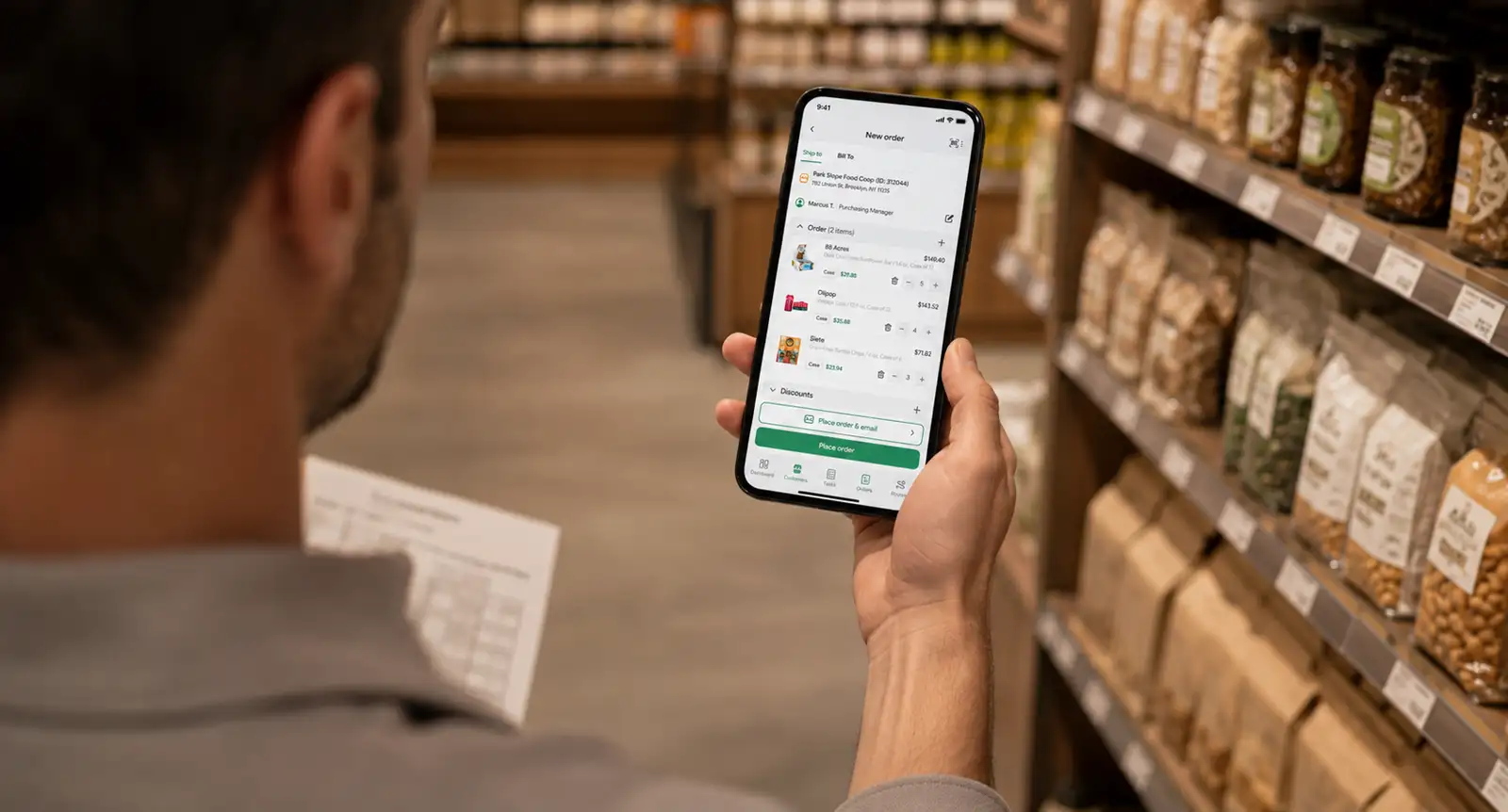
10 Must-Have Retail Operations Software for Sales Teams 2026


Retail moves fast. If your team still relies on spreadsheets, manual reports, or scattered tools, it’s easy for things to slip through the cracks. Tasks get missed, shelves stay empty, and communication between the store and headquarters becomes messy.
That’s where retail operations software comes in.
The right tools help your sales team stay organized, move faster, and make better decisions. Instead of chasing updates or fixing problems after they happen, you can manage daily operations in one place.
With modern retail operations software, you can:
- Track store performance in real time
- Manage inventory and product availability
- Assign tasks to store staff quickly
- Collect photos, reports, and field updates
- Keep communication clear between teams
These platforms reduce manual work and give managers better visibility across stores. Research from McKinsey shows that improving store operations and workforce scheduling can reduce retail labor costs by up to 12% while improving customer service.
Below, you’ll find the must-have retail operations software solutions for 2026 that help sales teams stay efficient, aligned, and focused on what matters most, selling and delivering a great in-store experience.
What is retail operations software?
Retail operations software helps you manage everything happening inside your retail business. It brings daily store activities, teams, and data into one system so you can run stores more efficiently.
Unlike POS systems, which mainly process payments and transactions, retail operations software focuses on managing the broader business. It connects store management, inventory, and sales teams so everyone stays aligned.
With the right tool, you can manage key areas such as:
- Store operations and daily tasks.
- Employee scheduling and staff coordination.
- Sales performance tracking.
- Inventory levels and product availability.
- Customer information and interactions.
Instead of juggling multiple tools, you get one place to oversee operations and keep teams organized.
This makes it easier to spot problems early, improve store performance, and keep everything running smoothly.
Why do retail sales teams need operations software?
Retail sales teams don’t work in one place. They operate across multiple stores, shifts, and sales channels.
Without the right tools, coordination quickly becomes messy. Tasks get missed, inventory isn’t updated, and managers struggle to see what’s really happening in stores. According to McKinsey, retailers are increasingly investing in digital tools and analytics to improve operational visibility and manage store networks more effectively.
That’s why many companies adopt retail operations management software. It gives teams a single place to organize daily work and keep everyone aligned.
The biggest benefit is visibility. Managers can track activity across locations without constant calls or spreadsheets. Teams know what needs to be done and when.
Here are some key reasons retailers rely on these tools:
- Improve store efficiency by organizing tasks and daily workflows.
- Track sales team performance with clear metrics and reports.
- Streamline inventory and merchandising so products stay available and shelves look right.
- Automate reporting, saving managers hours of manual work.
- Deliver better customer experiences with faster service and well-stocked stores.
Instead of reacting to problems, you can manage operations proactively.
When stores run smoothly and teams stay coordinated, sales staff can focus on what matters most, helping customers and driving revenue.
What features should retail operations software include?
Before choosing a platform, it’s important to understand which features actually support daily store operations.
The right tools help teams stay organized and manage tasks more efficiently.
Sales performance tracking
Sales performance tracking helps you see how your team performs across stores and shifts.
Good tools make monitoring simple through features like:
- Sales per employee.
- Performance dashboards.
- Team leaderboards.
This visibility helps managers motivate teams and improve results faster.
Inventory management
Inventory management helps you keep the right products, and retail order management tools let you manage stock across the right stores.
With retail operations improvement software, you can manage key tasks such as:
- Stock levels across stores.
- Automated reordering.
- Inventory forecasting.
This helps prevent stockouts and keeps shelves ready for customers.
Workforce management
Workforce management tools help you organize your team and keep stores running smoothly.
You can create employee schedules, plan shifts in advance, and track attendance.
This makes it easier to manage staffing levels and ensure every shift is properly covered.
💡 Pro Tip
Analyze peak traffic hours in your stores before building schedules. Matching staffing levels to real customer demand often improves both sales performance and employee productivity.
Store task management
Store task management helps teams stay organized and complete daily work on time.
You can assign and track tasks such as:
- Daily checklists.
- Merchandising tasks.
- Compliance tracking.
This keeps stores consistent and ensures company standards are followed.
Reporting and analytics
Reporting and analytics help you understand what’s happening across your stores.
With retail management software multi-store operations, you can easily access:
- Store performance reports.
- Sales insights.
- Customer behavior analytics.
These insights help you make faster, smarter decisions.
Omnichannel integration
Omnichannel integration connects your online and physical stores into one system. It syncs online and in-store sales and provides unified inventory visibility.
This helps your team see accurate stock levels everywhere and serve customers better across all channels.
Mobile accessibility
Mobile accessibility lets your team manage store operations from anywhere.
With mobile apps for store managers and sales staff, you can check tasks, track performance, and update reports directly from the sales floor or while moving between stores.
What are the must-have retail operations software tools for sales teams in 2026?
Choosing the right retail operations software can make a big difference in how smoothly your stores run. The best tools help you manage sales, inventory, teams, and store activity without juggling multiple systems.
Below is a quick comparison of the most useful retail operations platforms for sales teams in 2026.
| Tool | Main use | Key features | Best for |
|---|---|---|---|
| SimplyDepo | Retail execution and field sales management | Route planning, store visit tracking, mobile order capture, photo reporting, real-time dashboards | Field sales teams, merchandisers, and distributors managing store visits |
| Shopify Retail (Shopify POS) | Point-of-sale for retail stores | In-store payments, online and in-store sales sync, inventory management, customer purchase history | Retail brands selling both online and in physical stores |
| Lightspeed Retail | POS and payments platform | Payment processing, inventory tracking, product management, sales insights | Retailers needing a unified POS and inventory system |
| Square for Retail | Retail POS and business management | In-store and online payments, inventory management, employee tracking, sales reports | Small to mid-sized retailers wanting an easy all-in-one system |
| NetSuite Retail (Oracle NetSuite) | ERP for retail operations | Unified finance, inventory control, AI insights, fulfillment management | Growing retailers needing a scalable ERP platform |
| Vend by Lightspeed | Retail POS and store management | Payment processing, real-time inventory tracking, product management, sales reports | Retail stores looking for a simple POS with growth capabilities |
| RetailOps | Commerce operations platform | Order and fulfillment management, inventory data, vendor coordination, operational reporting | Commerce businesses managing complex operations |
| Springboard Retail | Retail store management software | POS system, inventory tracking, customer data management, performance reporting | Retailers needing centralized store management |
| Zoho Retail / Zoho Commerce Stack | E-commerce and retail management platform | Online store creation, order tracking, inventory management, customer management | Businesses focused on e-commerce and affordable retail tools |
| Brightpearl | Retail operating system for automation | Automation engine, multi-channel order management, inventory management, operational efficiency | Multi-channel retailers and wholesalers |
| RELEX Solutions | AI supply chain and retail planning platform | Demand forecasting, inventory optimization, pricing strategy, supply chain planning | Large retailers optimizing supply chain and inventory planning |
Now, let’s take a closer look at each platform and what makes it useful for retail teams.
SimplyDepo
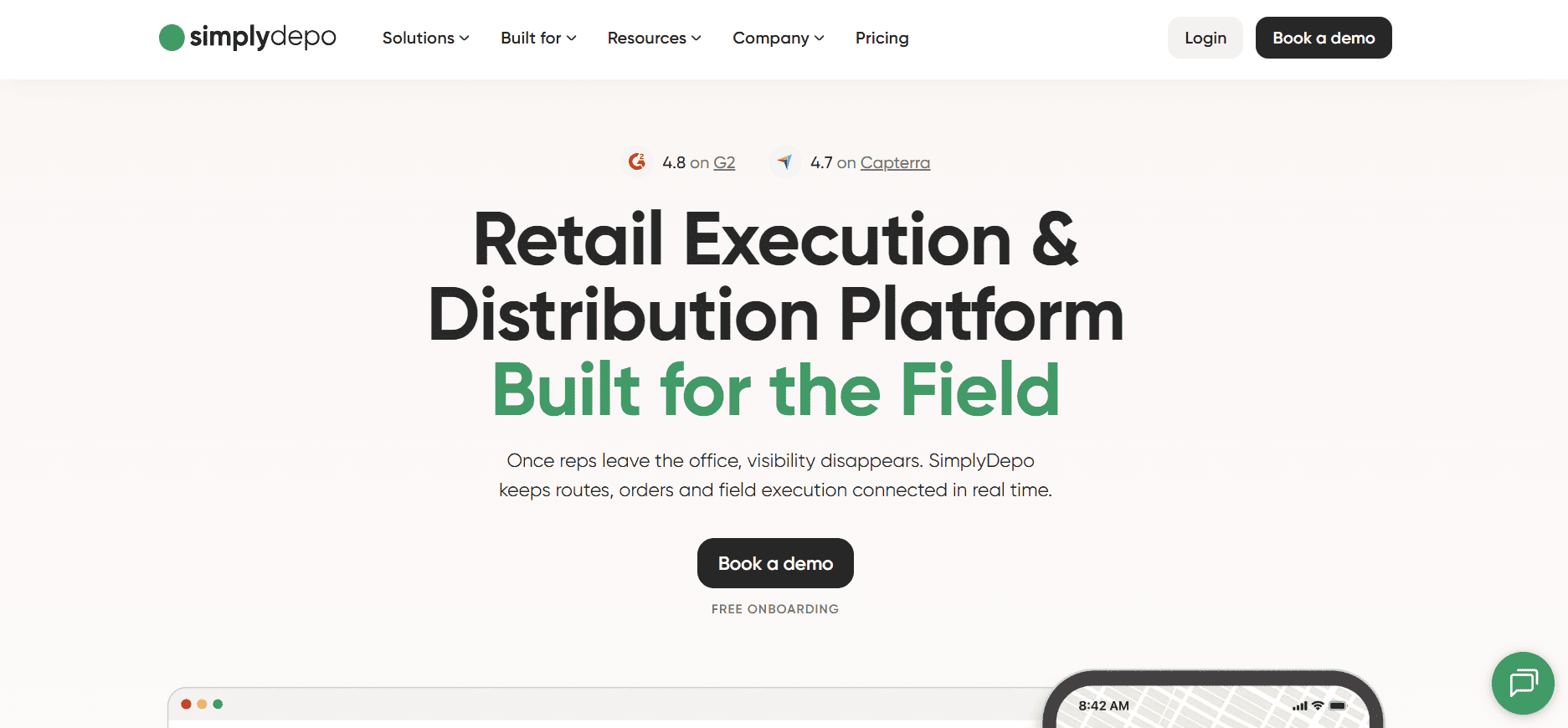
SimplyDepo is a retail execution and distribution platform designed for teams that work in the field. It helps sales reps, merchandisers, and managers stay connected while visiting stores using field sales software.
Once reps leave the office, visibility often disappears. Managers can’t easily see which stores were visited, what happened during the visit, or which products were ordered.
SimplyDepo solves this by keeping routes, orders, and field activities connected in real time.
Field teams can plan their day, follow store routes, and complete tasks directly from a mobile device. Managers receive instant updates and can monitor activity without constant calls or manual reporting.
💡 Pro Tip
For field sales teams, real-time reporting is essential. The faster store visit data reaches managers, the quicker teams can adjust routes, promotions, or product availability.
The platform helps teams manage key daily activities such as:
- Planning store visits and routes.
- Tracking store activity and visit results.
- Capturing photos and merchandising reports.
SimplyDepo also simplifies order and distribution workflows. Sales reps can place orders directly during store visits using retail order management software, which speeds up the sales process and reduces manual work.
It also provides managers with clear operational visibility through:
- Real-time dashboards and performance tracking.
- Order management during store visits.
- Field activity monitoring across locations.
Because everything is connected in one system, teams avoid scattered tools and disconnected data. Everyone works with the same information.
As a modern retail operations software, SimplyDepo helps companies improve field execution, track retail performance, and keep teams aligned across stores and territories.
When sales teams have the right tools, they spend less time on reporting and more time selling, building store relationships, and growing revenue.
Shopify Retail (Shopify POS)
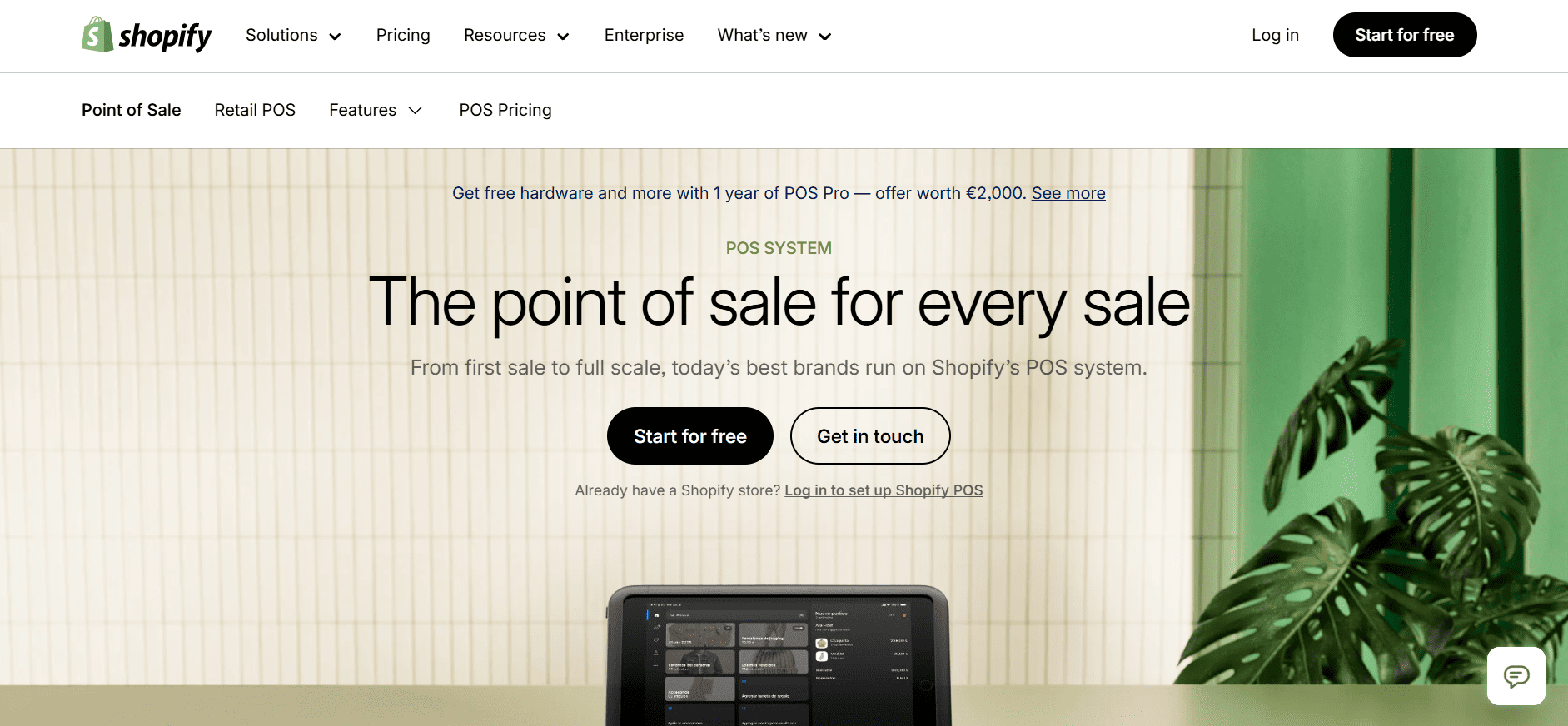
Shopify POS is a point-of-sale system designed to power everyday retail transactions. It helps brands manage in-store sales while staying connected with their online store.
From your first sale to large-scale retail operations, many modern brands run on Shopify’s POS system. It keeps sales, inventory, and customer data connected in one place, making store management much easier.
With Shopify POS, your team can handle daily store operations such as:
- Processing in-store payments quickly.
- Syncing online and in-store sales.
- Managing inventory across locations.
The platform also helps staff provide better customer service. Sales associates can access purchase history, recommend products, and complete transactions anywhere in the store.
As your retail business grows, Shopify POS scales with you and keeps operations organized.
Lightspeed Retail
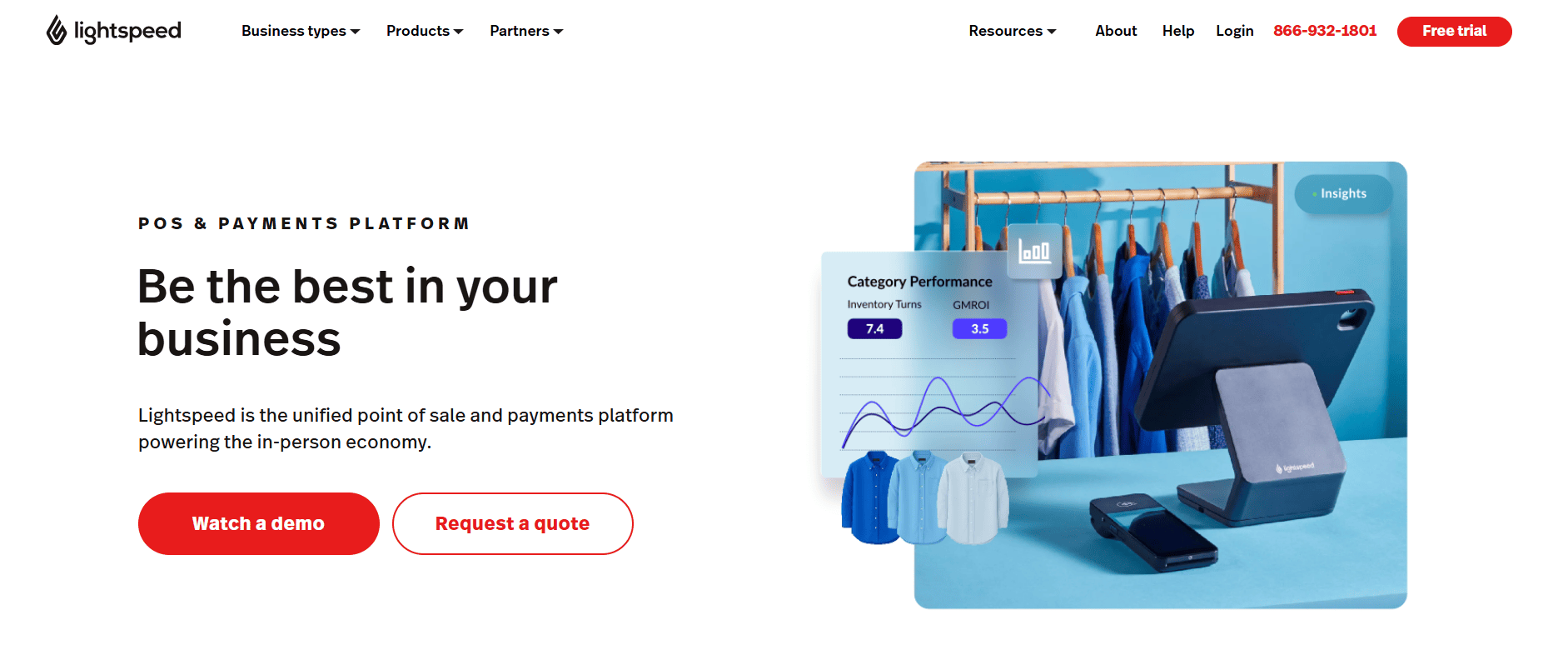
Lightspeed Retail is a point-of-sale and payments platform designed for modern retail businesses. It helps stores manage sales, payments, and inventory in one connected system.
Lightspeed powers many businesses that operate in the in-person economy. It gives retailers the tools they need to run daily operations smoothly and stay competitive as they grow.
With Lightspeed Retail, you can handle key store activities such as:
- Processing fast and secure payments.
- Tracking inventory across locations.
- Managing products and pricing.
- Monitoring store performance.
The platform also provides helpful sales insights. Managers can quickly see which products sell best and how stores perform.
Because everything works together in one system, teams spend less time managing tools and more time helping customers and growing sales.
Square for Retail
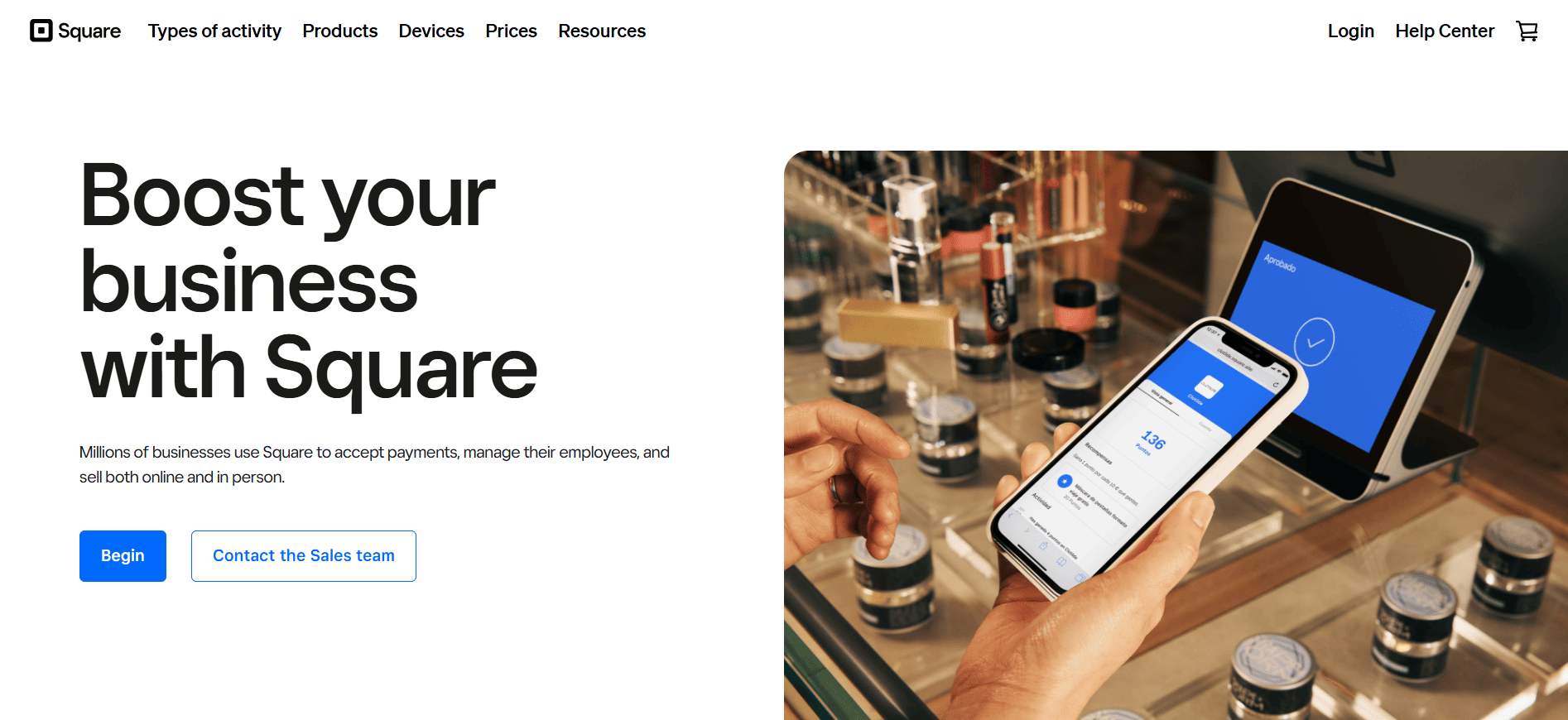
Square for Retail helps businesses manage sales, payments, and daily store operations in one simple platform. It’s designed for retailers who want an easy way to run both online and in-store sales.
Millions of businesses use Square to accept payments, manage employees, and track store activity. The platform keeps your operations connected so teams can work more efficiently.
With Square for Retail, you can handle key tasks such as:
- Accepting payments in store or online.
- Managing products and inventory.
- Tracking employee activity and shifts.
- Viewing sales reports and performance.
The system is easy to set up and simple for staff to use. Managers get clear insights, while sales teams can focus on helping customers and closing more sales.
NetSuite Retail (Oracle NetSuite)
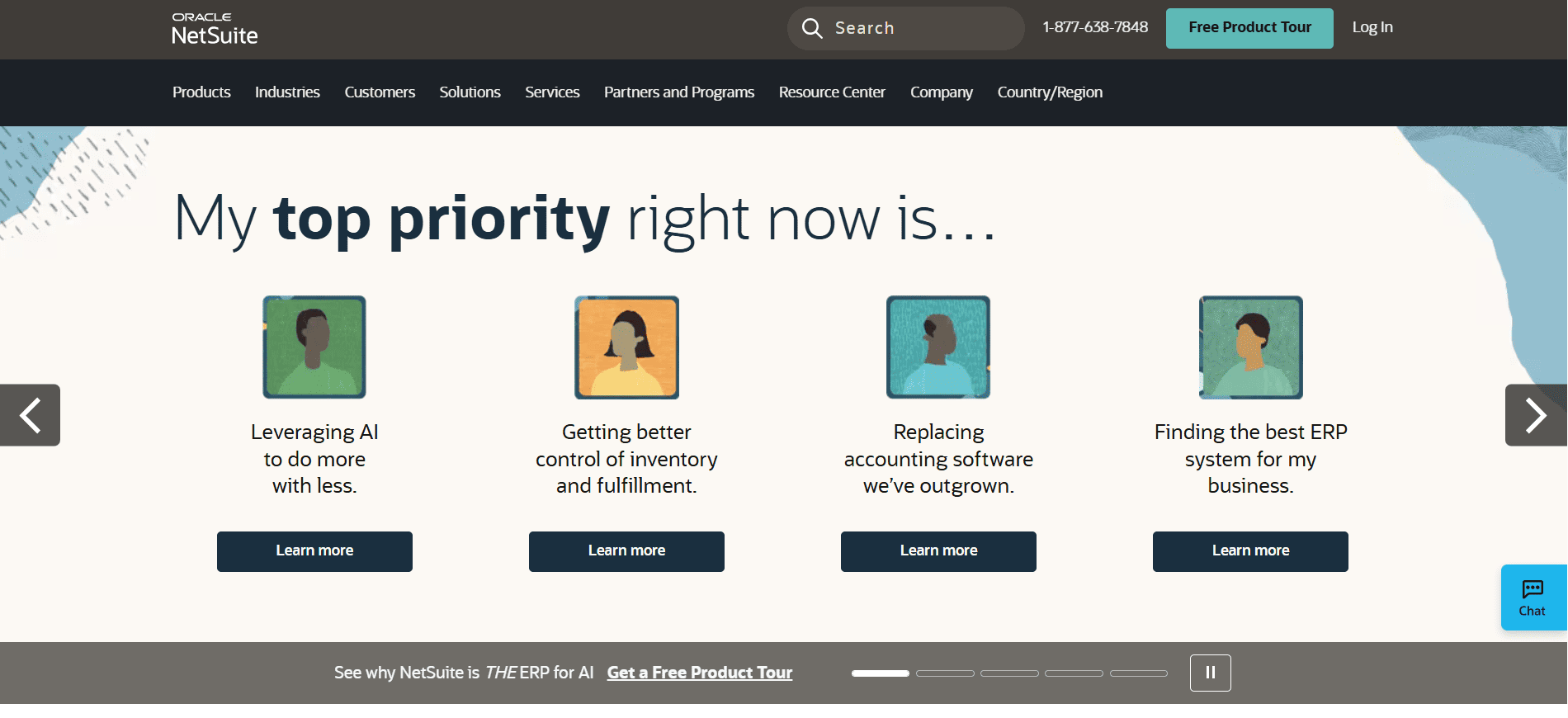
NetSuite Retail is a unified platform that helps retailers manage operations, finance, inventory, and sales in one system. When your data is connected, your team can work faster and make smarter decisions.
The idea is simple: the best AI comes from the best data, and the best data comes from a unified platform. Instead of using many disconnected tools, NetSuite keeps everything in one place, similar to modern retail AI software.
Many retailers adopt NetSuite when their priorities include:
- Leveraging AI to do more with less.
- Getting better control of inventory and fulfillment.
- Replacing accounting software they’ve outgrown.
- Finding a scalable ERP system for growing operations.
Because everything works together, managers gain clearer visibility across the business.
As a powerful retail operations management software, NetSuite helps retailers streamline processes and scale operations with confidence.
RetailOps
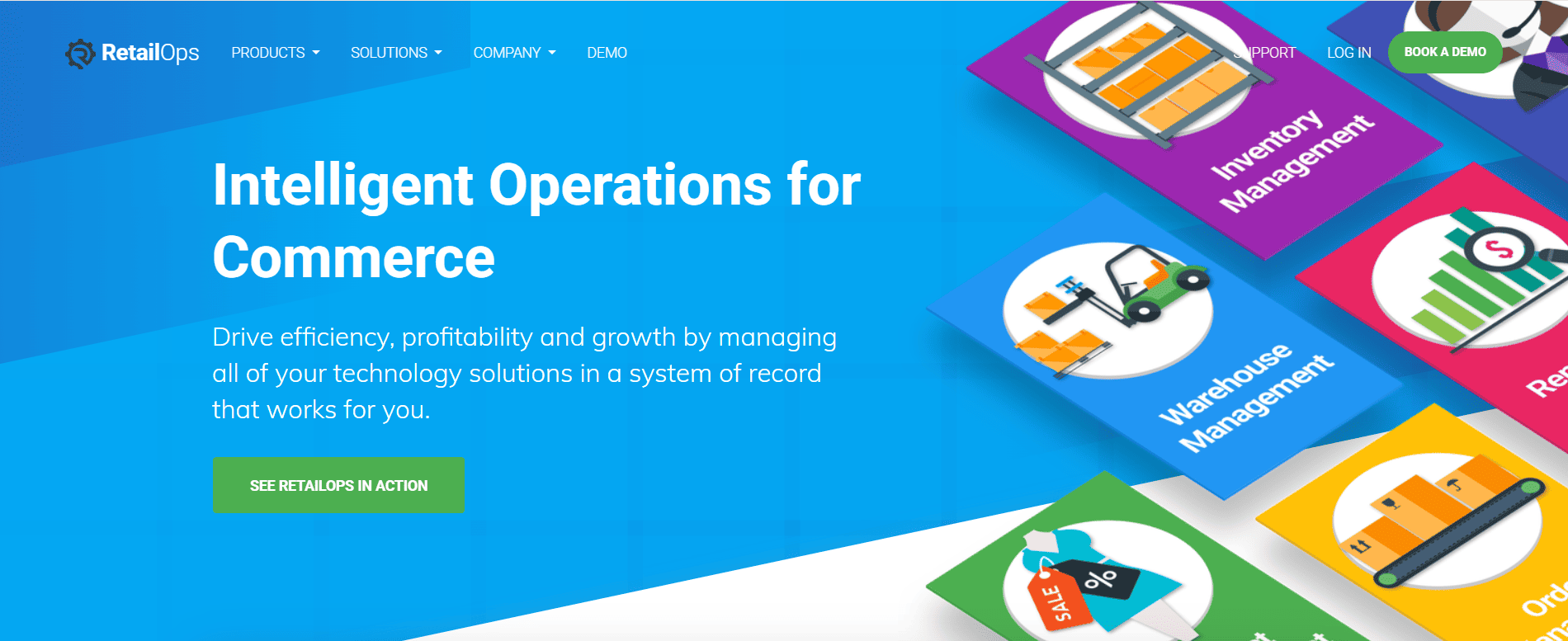
RetailOps is a platform designed to help commerce businesses manage operations from one central system. It acts as a system of record that connects different tools, processes, and teams across your organization.
Instead of juggling multiple disconnected platforms, RetailOps brings your operational data into one place. This helps you run your business more efficiently and make better decisions.
With RetailOps, you can manage key operational areas such as:
- Order and fulfillment workflows.
- Inventory and product data.
- Vendor and supply chain coordination.
- Operational reporting and insights.
The platform helps teams reduce manual work and avoid errors caused by scattered systems.
By keeping your operational data connected, RetailOps helps drive efficiency, profitability, and long-term growth. Your team spends less time managing tools and more time improving operations and serving customers.
Springboard Retail
Springboard Retail is a software platform designed to help retailers manage stores, inventory, and sales from one system. It provides tools that support daily retail operations while giving managers clear visibility into business performance.
The company focuses on building reliable software solutions for retail and enterprise environments. Its platform is designed to simplify store management and help teams operate more efficiently.
With Springboard Retail, you can manage important activities such as:
- Tracking inventory across stores.
- Processing sales through a POS system.
- Monitoring store performance and reports.
- Managing customer data and purchase history.
The platform also connects in-store operations with online sales channels. This helps retailers keep product data and inventory synchronized.
By bringing operations into one platform, Springboard Retail helps teams stay organized, improve efficiency, and make smarter business decisions.
Zoho Retail / Zoho Commerce Stack
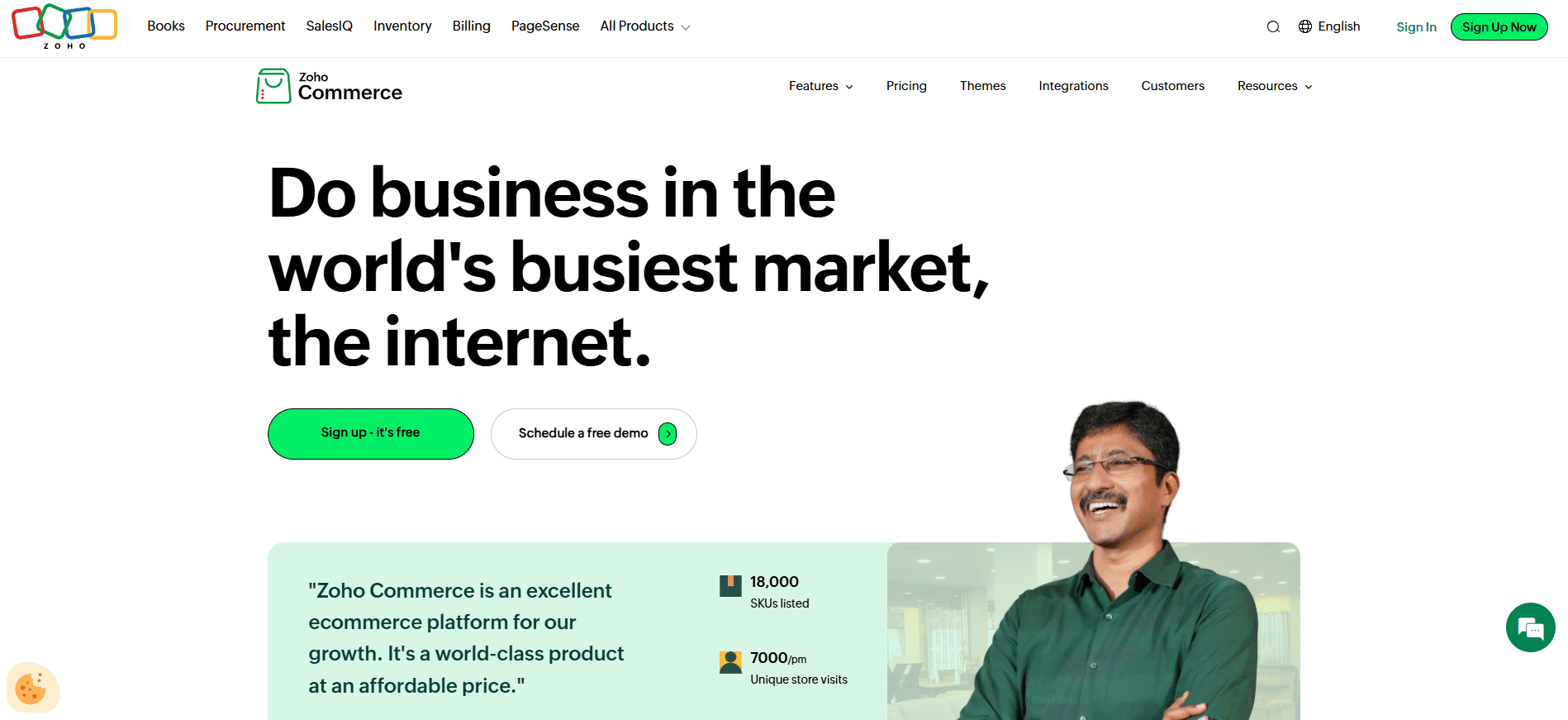
Zoho Commerce is part of the Zoho ecosystem designed to help businesses sell online and manage retail operations from one platform. It allows companies to run their online stores while keeping products, orders, and customer data organized.
The idea is simple: today’s busiest market is the internet. Zoho Commerce helps retailers operate there efficiently while staying connected to their internal processes.
With Zoho tools, you can manage key activities such as:
- Creating and managing online stores.
- Tracking orders and inventory.
- Managing customer relationships.
- Monitoring sales and performance.
The platform is known for being powerful but affordable, which makes it attractive for growing businesses.
As a flexible retail store operations software, Zoho helps retailers connect e-commerce, operations, and customer management in one ecosystem.
Brightpearl
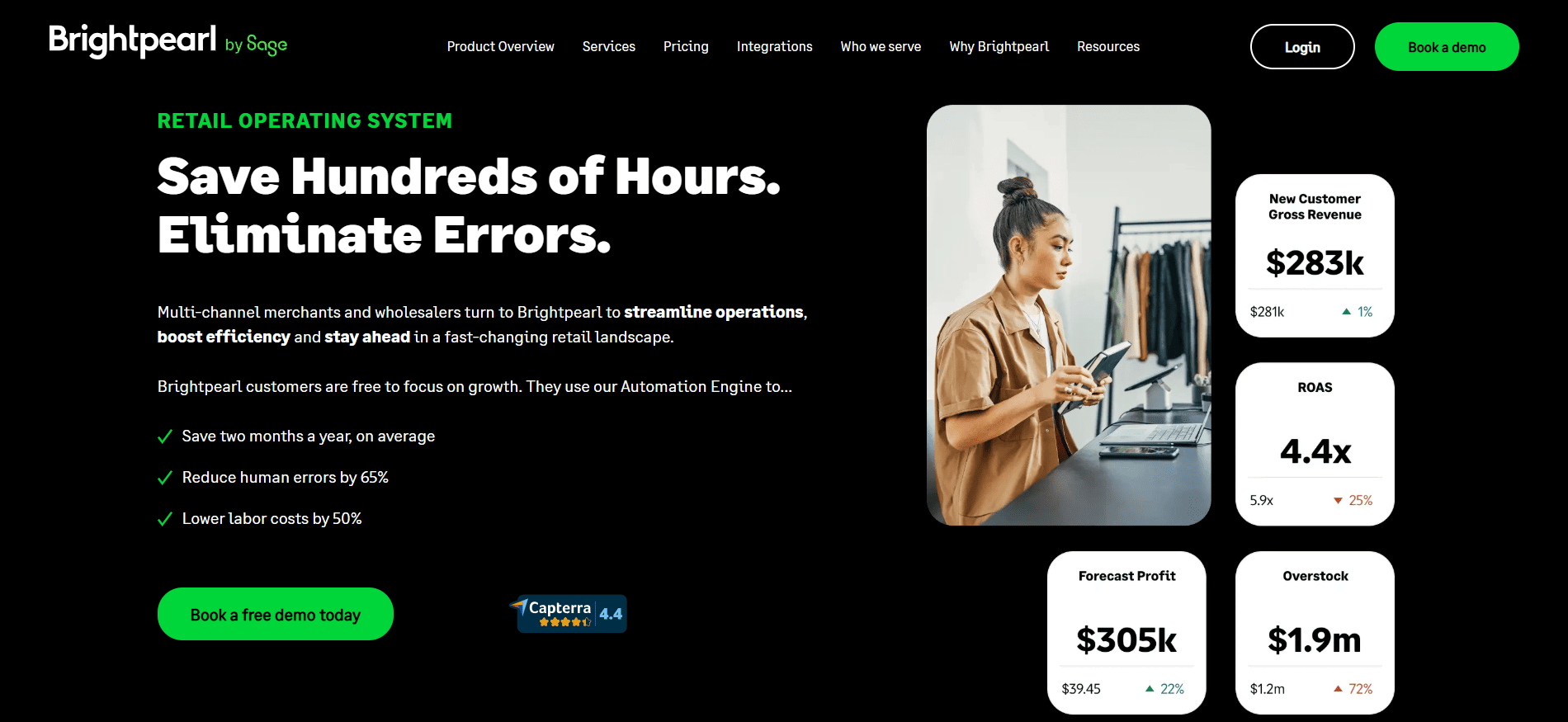
Brightpearl is a retail operating system built for multi-channel retailers and wholesalers. It also works well as multi store retail operations software, helping businesses automate operations, reduce manual work, and keep sales, inventory, and orders connected.
Retail teams often lose time managing spreadsheets and fixing errors. Brightpearl simplifies these processes so your team can focus on growing the business instead of managing tasks.
The platform uses an Automation Engine that helps companies run operations more efficiently.
Brightpearl customers typically report benefits such as:
- Saving about two months of work each year.
- Reducing human errors by 65%.
- Lowering labor costs by up to 50%.
Brightpearl also connects sales channels, inventory, and order management in one system.
Because routine tasks are automated, teams spend less time on operations and more time improving customer experience and scaling their retail business.
RELEX Solutions
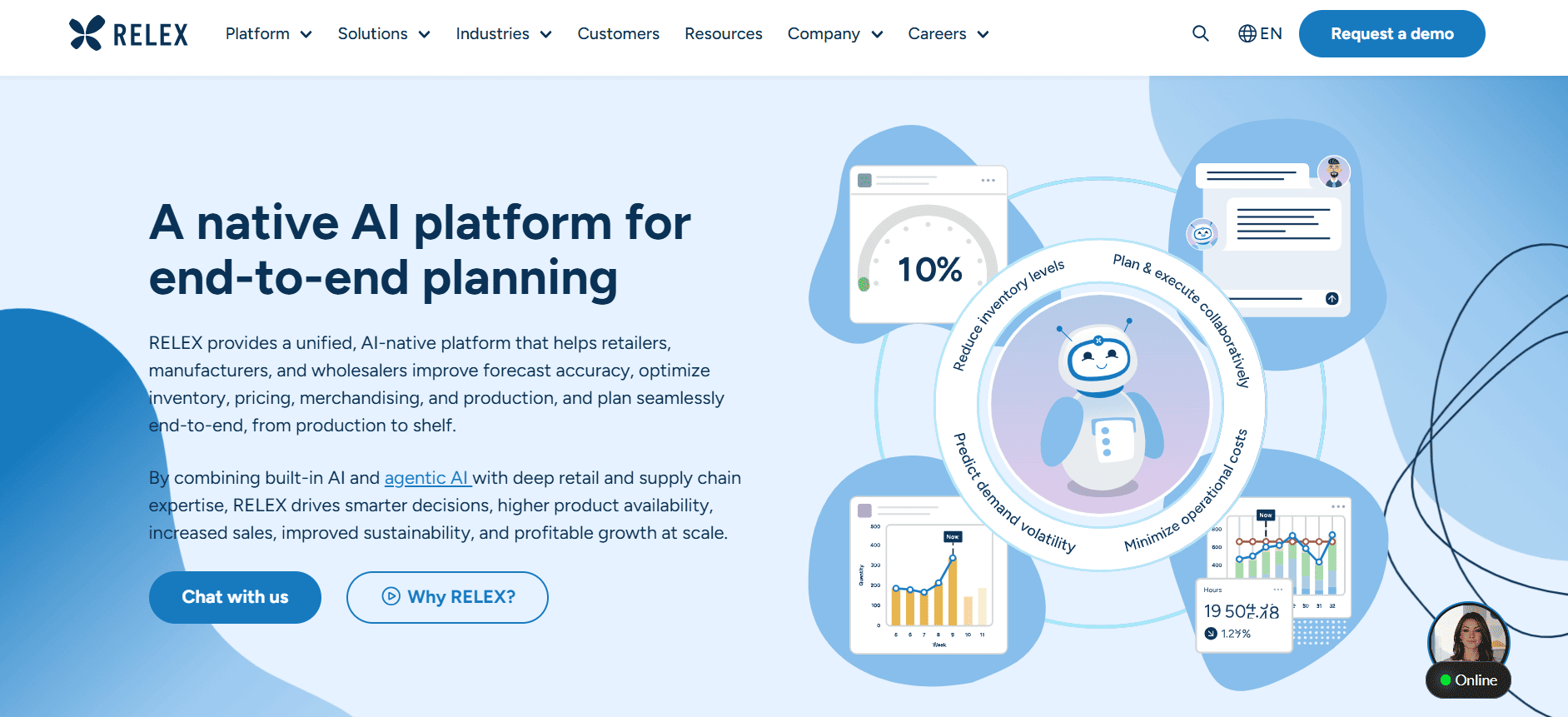
RELEX Solutions is a platform that helps retailers plan and manage operations across the entire supply chain. It uses AI to connect forecasting, inventory planning, pricing, and merchandising in one system.
The goal is simple: help retailers make smarter decisions from production to the store shelf. Instead of managing planning in separate tools, RELEX brings everything together.
With RELEX, businesses can improve important areas such as:
- Demand forecasting and product planning.
- Inventory optimization across stores and warehouses.
- Pricing and merchandising strategies.
- Supply chain coordination.
The platform uses built-in AI combined with retail and supply chain expertise. This helps companies increase product availability, reduce waste, and improve sales performance.
By planning operations end-to-end, retailers can stay more agile and respond faster to changing market demand.
What are the benefits of retail operations software?
Retail stores handle many moving parts every day. Teams manage inventory, sales, staff schedules, and store tasks at the same time. Without the right tools, it’s easy for operations to become slow and disorganized.
That’s where retail operations improvement software helps. It brings key processes into one system and makes daily store management much easier.
One of the biggest benefits is better productivity. Teams can organize tasks, track progress, and manage store activities without relying on spreadsheets or manual updates.
💡 Pro Tip
Retailers often see the biggest productivity gains in task completion and reporting speed. Automating routine updates frees staff to focus on customers and sales.
Retail operations tools, including retail execution software, also provide several important advantages:
- Improved store productivity → Staff can manage daily tasks and store operations more efficiently.
- Better sales visibility → Real-time dashboards help managers see sales performance across stores.
- Stronger inventory control → Teams can track stock levels and reduce both stockouts and overstocking.
- Improved employee management → Scheduling, shift planning, and task assignments become easier.
- Better customer experience → Consistent operations help stores deliver the same quality of service everywhere.
When stores run smoothly, employees spend less time fixing problems and more time helping customers.
In the end, better operations lead to stronger sales, happier teams, and a more reliable retail experience.
What challenges should retailers consider?
Adopting new retail tools can bring big improvements, but there are a few challenges you should plan for. Understanding them early helps your team avoid surprises during implementation.
One common issue is employee training. When teams switch to a new system, staff need time to learn how it works. Clear onboarding and simple interfaces can make this process much easier.
Retailers also need to think about technical integration. Many stores still use older systems, which means new tools must connect with existing platforms.
Some common challenges include:
- Training employees on new systems. Teams need time and guidance to adopt new workflows.
- Integrating with legacy POS tools. Older systems may require additional setup or connectors.
- Managing multi-store data complexity. Large retailers handle huge amounts of data across locations.
- Cost of enterprise platforms. Advanced systems can require significant investment.
When choosing ulti store retail operations software, it’s important to evaluate both features and implementation requirements.
With the right planning, most retailers can overcome these challenges and build a more efficient operation.
Conclusion
Retail stores depend on many moving parts working together. Sales teams, inventory, store tasks, and reporting all need to stay connected. That’s why the right software matters.
The right platform helps teams stay organized, improve visibility, and run stores more efficiently.
When choosing a tool, focus on what fits your business best:
- Your company size and growth plans.
- Your retail model (single store, multi-location, or field teams).
- The features your teams use daily.
Larger brands often rely on retail operations software for chains to manage multiple stores and keep operations consistent across locations.
Before committing, take time to test different platforms. Demos and trials help you see how a tool fits your workflow and team needs.
If your team works in the field or manages store execution, it’s worth exploring SimplyDepo.
Book a demo with SimplyDepo to see how it can help your sales teams stay connected and improve retail performance.
FAQs
Retail operations software gives managers real-time visibility into store activity. Sales dashboards highlight product performance and employee results, helping teams react faster. Managers can spot trends, fix issues, and guide staff. Clear data leads to smarter decisions and stronger in-store sales.
Retail operations software connects online and in-store operations. That matters. It helps synchronize inventory, orders, and customer data across channels, so teams always see accurate information. This coordination allows retailers to deliver consistent shopping experiences whether customers buy online, in-store, or both.
Most retail operations tools are built to connect with existing business systems. Integration is key. They often link with POS platforms, inventory tools, and e-commerce stores, allowing data to move automatically between systems so teams avoid manual updates and keep operations consistent.
Managers use operations software to organize daily work. Tasks become clear. The system helps schedule shifts, assign store tasks, and monitor performance in real time, making it easier for managers to guide teams, track progress, and keep staff focused on priorities.
Retailers often focus only on features. That’s risky. Some overlook ease of use, integration with existing systems, or long-term scalability, which can lead to poor adoption and operational problems later, especially when teams struggle to use the software effectively.
-
 October 8, 2026
 -
 October 8, 2026
 -
 October 7, 2026