CPG Distribution: Time to Market and Geo Expansion


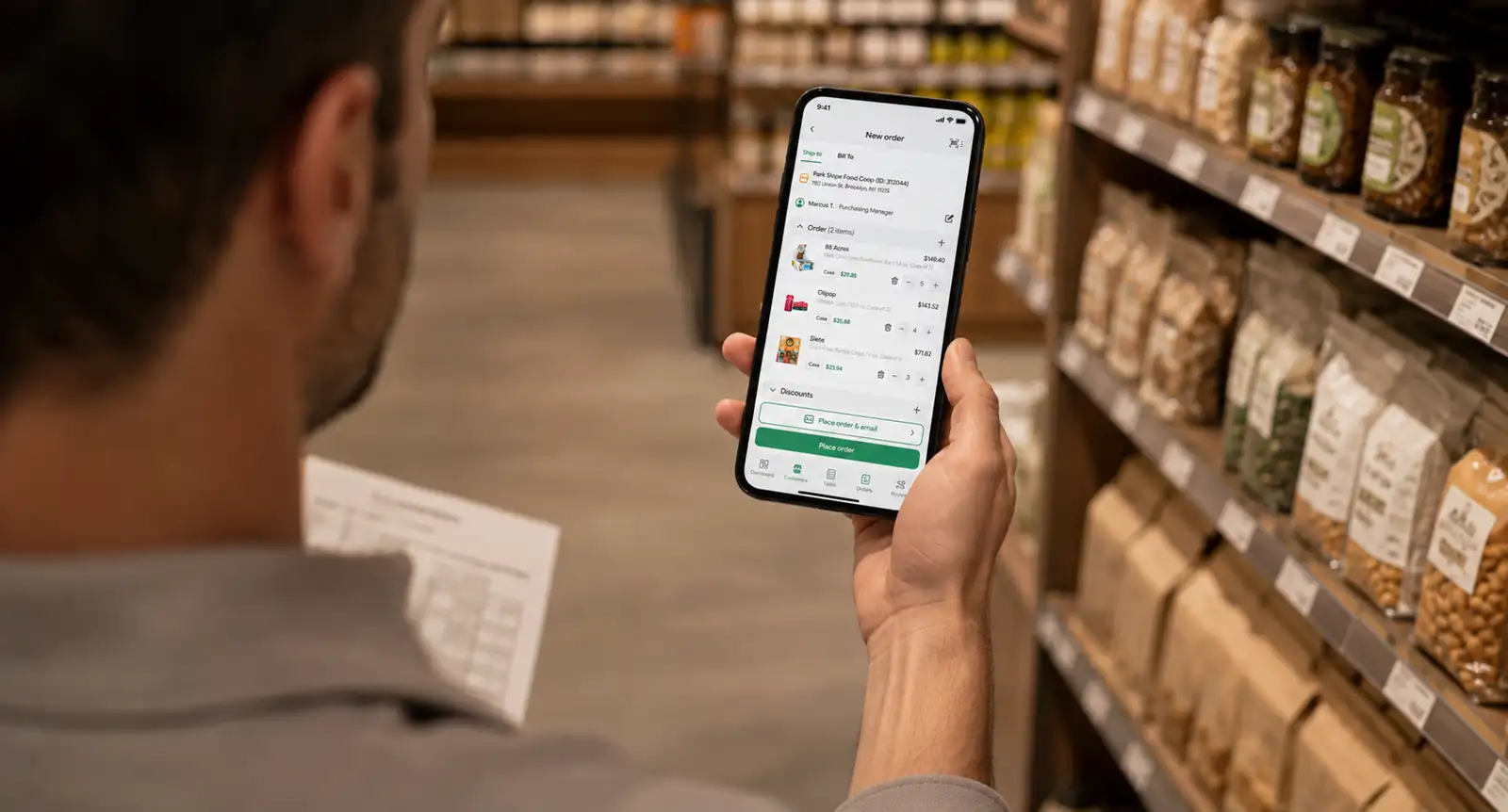
CPG distribution is how consumer packaged goods move from the manufacturer to store shelves, whether through distributors, wholesalers, retailer warehouses or a brand’s own trucks. Two pressures shape it more than anything else: how fast a product can get to market and how smoothly a brand can expand into new regions.
Both depend on the same things: reliable inventory, clean order flow, the right distribution partners and visibility into what happens at the store. This guide covers the main CPG distribution models, the challenges that slow time to market and geographic expansion, and how growing brands handle them. It’s a natural companion to distribution management software, which ties orders, inventory and deliveries together.
How CPG distribution works
Most CPG products reach stores through one of a few paths:
Distributor or wholesaler. The brand sells to a distributor, which warehouses the product and sells it to retailers. It’s the most common route for growing brands.
Direct to retailer warehouse. The brand ships to a chain’s distribution center, and the retailer handles store delivery. Our guide to the Walmart distribution center shows how this works with a major chain.
Direct store delivery (DSD). The brand or distributor delivers straight to each store and often stocks the shelf. Common for beverages, snacks and bakery. See our guide to direct store delivery.
Self-distribution. Smaller brands deliver to local accounts themselves before handing regions to distributors.
Many brands mix these models by region and account type. Our guide to choosing a distribution model covers the tradeoffs.
Time to market challenges
Supply delays
Late packaging or ingredients stall production, and every week lost pushes back retailer launch dates. Backup suppliers and earlier ordering for launch quantities reduce the risk.
Slow order processing
When orders arrive by email, phone and spreadsheet, each one waits to be retyped. Centralized order processing shortens the gap between a retailer saying yes and product shipping.
Inventory in the wrong place
Stock in one warehouse doesn’t help a launch in another region. Brands need to see inventory by location and position it ahead of new placements.
Retail compliance
New items often launch with specific shelf placement, pricing and display requirements. If no one checks stores in the first weeks, launches underperform quietly.
Geographic expansion challenges
Finding the right distributors
Each new region usually needs new distribution partners. Brands have to vet coverage, account lists and how much attention a small brand will actually get.
Regulations and labeling
Some categories face different rules by state or country, such as alcohol, cannabis-adjacent products and certain food claims. Labels and paperwork need to be ready before launch.
Longer, costlier logistics
New regions add freight cost and transit time. Shipping full loads to a regional warehouse often beats many small shipments.
Losing visibility
Once product goes through a distributor in a new region, brands often lose sight of where it’s sold and how it’s merchandised. Field reps or merchandising partners with a shared app close that gap.
Local demand differences
What sells in one region may not sell in another. Start with a focused assortment, watch sell-through and adjust.
How growing brands speed up CPG distribution
- Centralize orders and inventory so every channel and region draws from the same live numbers.
- Expand region by region, proving sell-through in one area before taking on the next.
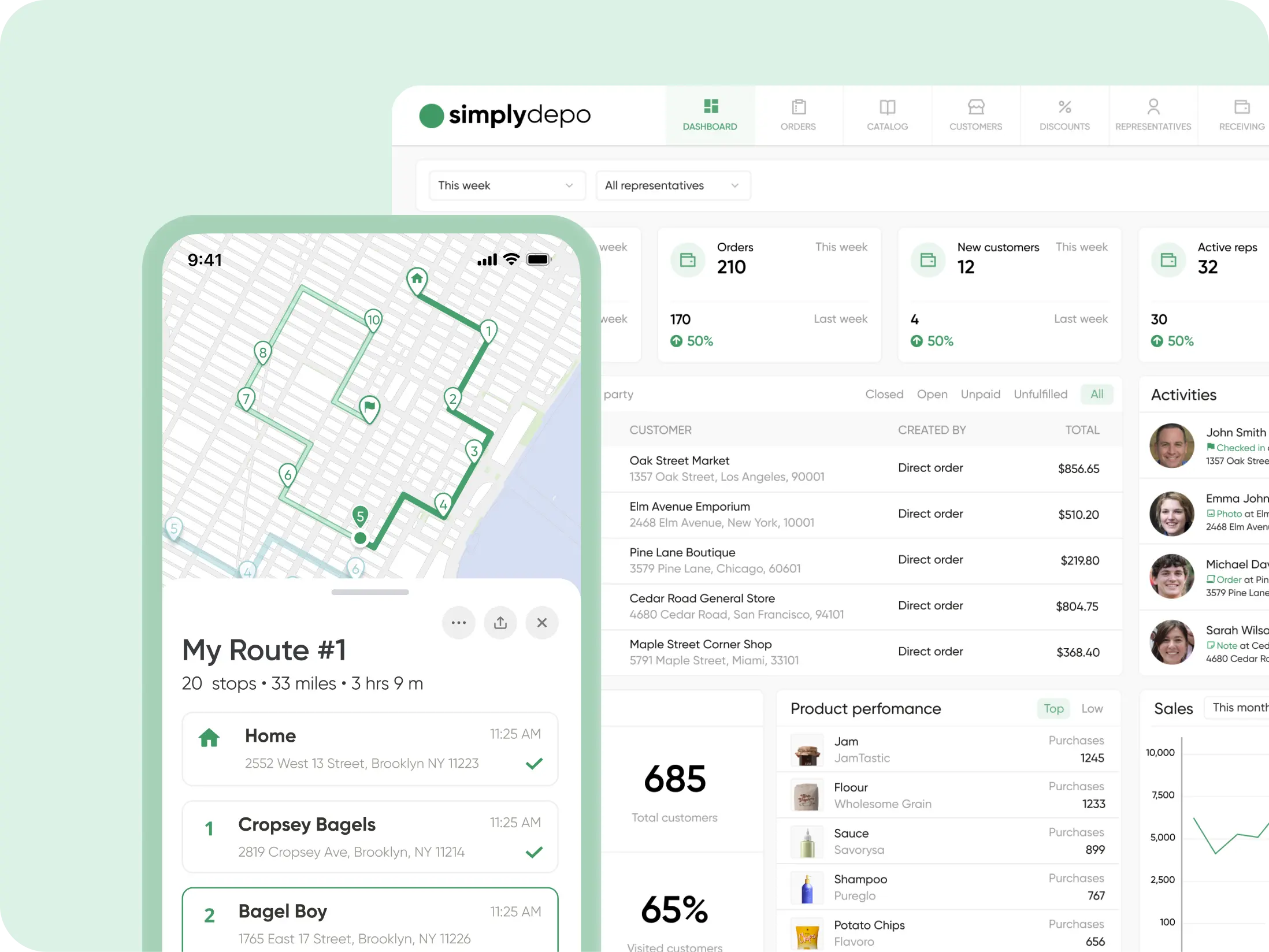
- Give distributors and reps shared tools for orders, visits and store photos.
- Plan routes and deliveries around account density to keep costs down.
- Track store execution in the weeks after every launch.
- Use sales data to decide where to go next, based on real performance rather than hunches.
CPG distribution costs to plan for
Expanding distribution brings costs that are easy to underestimate:
- Distributor margins on every case sold through them
- Slotting fees and introductory allowances at some retailers
- Promotional spend to drive trial in new stores
- Freight to new warehouses and regions
- Field support, through your own reps or merchandising partners
- Free fills and samples for new placements
Build these into pricing before signing new distribution agreements. Our guide to distribution pricing strategy covers how to price through each channel.
Working with distributors in new regions
Distributors carry many brands, so smaller brands need to make themselves easy to sell. Provide sell sheets, pricing, promotional calendars and training for distributor reps. Agree on which accounts the distributor will target first and how often you’ll review results together. Share sell-through data so the distributor sees the product moving.
Measuring CPG distribution performance
| Metric | What it shows |
|---|---|
| Points of distribution | How many stores carry each SKU |
| Velocity | Units sold per store per week |
| Out-of-stock rate | How often products are missing from shelves |
| Reorder rate | Whether stores buy again after the first order |
| Cost per case delivered | Efficiency of each route or channel |
Strong velocity in existing stores is usually the best argument for expanding into the next region.
Scaling CPG distribution with SimplyDepo
Faster time to market and smoother expansion come from the same place: everyone working from the same live view of orders, inventory and store activity.
SimplyDepo brings orders, inventory, delivery routes and field execution into one platform for CPG brands and distributors, so new regions don’t mean new blind spots. Book a demo to see how it supports your growth.
CPG distribution is the process of moving consumer packaged goods from manufacturers to retailers and consumers, through distributors, wholesalers, retailer warehouses or direct store delivery.
The main channels are distributors and wholesalers, retailer distribution centers, direct store delivery and direct-to-consumer ecommerce.
Secure supply early, centralize order processing, position inventory ahead of launches and check store execution in the first weeks after launch.
Expand one region at a time, choose distributors with strong coverage in your category, check local regulations and track sell-through before adding the next region.
-
 February 27, 2026
-
 February 27, 2026
-
 December 6, 2025