Direct Store Delivery Explained: How the DSD Model Works in Retail

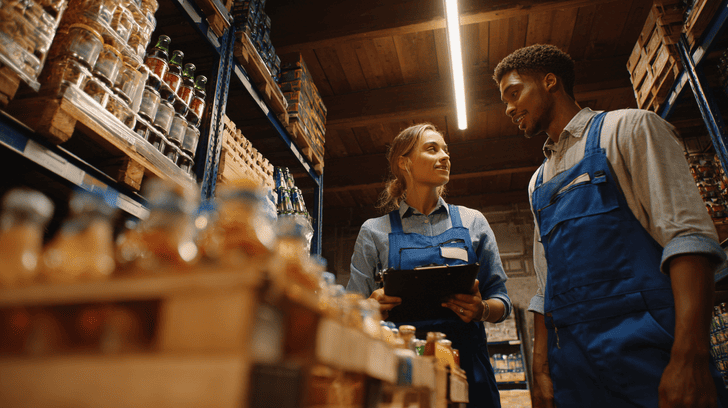
Picture a bakery brand driver arriving at a store, restocking shelves, and pulling expired items. That’s direct store delivery. If you’re wondering what is direct store delivery, it’s a model where suppliers deliver straight to stores, skipping distribution centers.
You get fresher stock, better shelf visibility, and quicker replenishment. In fact, stockouts directly impact sales and customer behavior, making shelf availability critical, as shown in Harvard Business Review research.
This guide walks you through how it works and how to manage it in a simple, practical way.
What is direct store delivery (DSD)?
Direct store delivery is a model where suppliers deliver products straight to retail stores, skipping warehouses and extra handling. You move goods faster and keep shelves stocked without delays.
Here’s how it differs from traditional distribution:
- DSD → Supplier delivers directly to each store.
- Warehouse model → Products go to a central warehouse, then to stores later.
For example, a snack or soda brand driver arrives, checks stock, refills shelves, and removes expired items in one visit. It’s quick, simple, and hands-on.
Add mobile direct store delivery software, and drivers can track inventory, update orders, capture signatures, and confirm deliveries from a mobile app. The business gets real-time visibility across every route, with fewer manual errors.
Why does this matter? Retail moves fast. You need fresh products, quick restocks, and better shelf control.
This matters because even small inefficiencies in retail operations can lead to lost sales and higher costs, as highlighted in research by McKinsey & Company, especially when products are not available at the right time.
DSD helps you react faster, reduce stockouts, cut waste, and keep customers happy without slowing down operations.
How does DSD actually work?
Let’s break down how the direct store delivery business model works in real life. Think of it as a store-first system. Products don’t sit in warehouses waiting.
They move fast, straight to shelves, and decisions happen during each store visit. You’re not guessing demand – you’re reacting to what’s actually selling.
Here’s the step-by-step flow:
- Manufacturer to store → Products ship directly from the supplier to each retail location, skipping distribution centers.
- Store receiving → The route driver arrives, checks current stock, and confirms what the store needs right now.
- Shelf stocking → Shelves are restocked, products are rotated, and expired items are removed to keep quality high.
- Order updates → If something’s running low, the driver creates or adjusts orders on the spot based on real demand.
- Invoicing and payment → The store signs digitally, invoices are generated instantly, and payment follows agreed terms.
Now, about roles. Route drivers do more than deliver. They act like sales reps. They check displays, fix gaps, suggest better order sizes, and keep shelves looking right. That’s where you gain extra sales.
💡 Pro Tip
Tie driver bonuses to shelf availability and display compliance, not just deliveries. It keeps their focus on what actually drives sales in-store.
Inventory ownership can vary. Sometimes the retailer owns the stock after delivery. In other setups, the supplier owns it until it sells. Replenishment is driven by real shelf checks, not just forecasts.
To keep everything aligned, tools matter. Platforms like SimplyDepo bring routes, orders, and store tasks into one system. Field reps use a mobile app to manage deliveries, update orders, and track execution in real time, giving you full visibility without extra manual work.
How is DSD different from traditional distribution?
Let’s make this simple. In a warehouse-based model, products move from the manufacturer to a distribution center first, often managed with distribution management software, then to stores in bulk.
Store teams handle stocking and place orders based on forecasts or past sales. It’s structured and scalable, but adds extra steps, more handling, and slows down reaction to real shelf demand.
DSD takes a different approach. Suppliers go directly to stores and manage what’s happening on the shelf. That means faster decisions, better visibility, and fewer gaps on shelves.
Now, compare the two side by side:
| Factor | DSD | Warehouse distribution |
|---|---|---|
| Inventory ownership | Often stays with supplier until sale | Transfers to retailer after delivery |
| Replenishment responsibility | Supplier monitors shelves and restocks | Store/retailer orders based on forecasts |
| Shelf stocking | Done by supplier’s route drivers | Done by store staff |
| Delivery frequency | Frequent, smaller deliveries | Less frequent, larger shipments |
| Cost structure | Higher delivery costs, lower warehousing costs | Lower delivery frequency, higher storage costs |
This view shows where control sits. DSD keeps suppliers close to the shelf and lets them react fast. Warehouse distribution relies more on planning, forecasts, and store teams.
Choosing the right model depends on your product and goals. If you need speed, freshness, and strong shelf control, DSD is a strong fit. That’s why many direct store delivery companies use it to stay close to demand and reduce stockouts.
You’ll also find clear direct store delivery examples in fast-moving categories like beverages and snacks. If your demand is stable and predictable, warehouse distribution works better. It simplifies logistics, reduces delivery complexity, and supports scaling across many locations.
In short, DSD gives you speed and control. Warehousing gives you structure, efficiency, and easier scaling.
Which industries use DSD the most?
You’ll see direct store delivery used most in industries where speed and shelf control really matter. If products move fast or expire quickly, this model fits naturally.
You’re reacting to what’s actually happening on the shelf, not just forecasts. Here are the main industries:
- Food and beverage → Fresh products need quick restocking and rotation.
- Snack and confectionery → High turnover means shelves can’t stay empty.
- Dairy and bakery → Short shelf life requires frequent deliveries.
- Beverage alcohol → Brands depend on visibility and tight stock control.
- Consumer packaged goods (CPG) → Fast-moving items benefit from real-time shelf checks.
- Pharmaceuticals and healthcare → Some products need careful handling and timely replenishment.
These industries rely on DSD because it gives them speed and control where it matters most. Perishable and fast-moving goods can’t sit in storage too long without losing value. You need fresh stock, quick refills, and clean shelves to keep sales steady.
With DSD, suppliers see what’s happening in-store and act quickly. That means fewer stockouts, less waste, better product visibility, and more consistent availability for customers.
What are the main benefits of DSD?
Direct store delivery gives you a clear advantage: you stay close to the shelf and react in real time. You don’t wait for reports, delayed orders, or second-hand data. You see what’s selling, what’s missing, and what needs attention, and you act immediately.
That shift from reactive to proactive makes your operations faster, more accurate, and easier to control day to day.
Here’s how the main benefits show up in practice:
- Faster shelf replenishment → You restock based on real demand, so shelves don’t stay empty.
- Better in-store execution → Products are placed correctly, displays look clean, and nothing gets missed.
- Improved product freshness → Frequent visits help rotate stock and reduce expired items.
- Stronger retailer relationships → You’re present in-store and quick to solve problems, which builds trust.
- Better visibility into demand → You track what’s selling in real time instead of relying only on forecasts.
- Increased sales through optimized merchandising → Full shelves and strong placement naturally drive more purchases.
- Reduced out-of-stocks → You spot gaps early and fix them before they impact sales.
- More control over brand presentation → Your products stay consistent, visible, and aligned with brand standards.
These benefits don’t work in isolation. Together, they create a system where you’re actively managing performance at the shelf level. A strong DSD solution helps connect replenishment, store visits, merchandising, and real-time data into one workflow.
💡 Pro Tip
Don’t treat all stores the same. Adjust visit frequency and shelf focus based on store performance tiers.
You’re not just delivering products. You’re improving how they sell, how they look, and how consistently they’re available.
In fast retail environments, that edge really matters. You reduce waste, improve availability, respond faster to demand shifts, and create a smoother experience for both retailers and customers.
How does DSD improve sales and merchandising?
Direct store delivery gives you more control at the shelf. Instead of relying on delayed data, you act in real time. This helps you improve execution and drive better sales with every visit.
You manage shelves on the spot. You check stock, fix gaps, and restock immediately, so you don’t lose sales due to empty space. At the same time, you can adjust product placement to match planograms, keeping items visible and easy to find for shoppers.
Promotions also improve. You set them up and fix issues during the visit, so campaigns actually run as planned instead of being missed or delayed.
While you’re in-store, you can also spot cross merchandising opportunities and place related products together to increase basket size.
Decisions become more data-driven. You restock based on what’s selling right now, not guesswork. With mobile direct store delivery, your team can update data instantly and stay aligned.
That’s why many direct store delivery companies rely on this model to stay flexible, improve execution, and respond faster to what’s happening in-store.
What technology powers modern DSD?
Modern direct store delivery runs on simple but powerful tools that help you move faster and stay accurate. You’re not guessing or using paper anymore. Everything is tracked, updated, and connected in real time.
That’s what makes the direct store delivery business model easier to scale and manage as you grow.
Here’s what powers it:
- Route optimization software → Plans efficient routes, saves time, and reduces fuel costs.
- Mobile handheld devices → Reps use phones or tablets to manage orders, inventory, and tasks on the go.
- Electronic proof of delivery → Signatures, timestamps, and confirmations are captured instantly.
- Real-time inventory tracking → You always know what’s in stock at each store.
- Cloud-based analytics → You see performance, sales trends, and gaps across locations.
- ERP and retail system integration → Data syncs with accounting, inventory, and sales tools automatically.
- AI and predictive analytics → Help forecast demand and suggest smarter restocking decisions.
Platforms like SimplyDepo bring all of this together in one direct store delivery software platform.
You get route planning, account CRM, and a mobile app for reps in one place. Teams can track visits, capture photos to verify execution, and sync data with tools like QuickBooks and Shopify.
In practice, this means fewer errors, faster decisions, and better control. Direct store delivery becomes easier to scale while keeping operations efficient, consistent, and easy to manage.
How does DSD affect supply chain strategy?
Direct store delivery changes how you think about your supply chain. Instead of pushing products through one central hub, you spread inventory closer to stores.
That gives you more speed and flexibility, but also adds more moving parts to manage. You shift from a centralized system to a more dynamic, store-level approach.
Here’s how it affects your strategy:
- Inventory decentralization → Stock is spread across many locations, not just one warehouse. This improves availability but requires tighter coordination.
- Demand sensing and forecasting → You rely more on real-time shelf data, not just historical trends. That helps you react faster and adjust orders before problems grow.
- Last-mile logistics → Deliveries become more frequent and route-based. Efficient route planning is key to saving time and controlling costs.
- Balancing cost vs control → You may spend more on transportation, but you gain better freshness, visibility, and control over shelf performance.
- Omnichannel implications → With inventory closer to stores, you can support in-store sales, pickups, and local fulfillment more easily.
In practice, your supply chain becomes more flexible and responsive. You’re not locked into long planning cycles or large bulk shipments. You adjust based on what’s happening in real time.
That’s the real impact of direct store delivery. You trade some simplicity for speed, visibility, and control, which helps you stay competitive in fast-moving retail environments.
What are the key performance metrics in DSD?
To run direct store delivery well, you need to track the right metrics. You’re not just moving products – you’re managing speed, accuracy, and what happens on the shelf.
Without clear numbers, it’s hard to spot issues or improve performance. Good KPIs help you catch problems early, measure progress, and keep operations running smoothly across routes and stores.
Here are the key metrics to watch:
| Metric | What it tells you |
|---|---|
| On-time delivery rate | How often deliveries arrive as scheduled |
| Order accuracy | How often orders match what was requested |
| Fill rate | How much of each order is fulfilled completely |
| Sales per stop | Revenue generated per store visit |
| Cost per delivery | Total cost for each delivery |
| Route efficiency | How well routes are planned and executed |
| Inventory turnover | How quickly products sell and get replaced |
| Out-of-stock rate | How often products are unavailable on shelves |
Each metric shows a different part of your operation. Together, they give you a clear and balanced view of performance.
💡 Pro Tip
Don’t track everything equally. Focus on 2–3 core metrics per route, or your team will ignore them all.
For example, strong on-time delivery and route efficiency mean your logistics are working well. High order accuracy and fill rate show reliable processes. Sales per stop and inventory turnover help you understand how products perform in-store and how fast they move.
In a direct to store delivery setup, these metrics guide daily decisions. You adjust routes, fix gaps, and improve execution based on real data, not assumptions.
That’s how you scale direct store delivery: by tracking what matters, acting quickly, and continuously improving performance.
How can companies optimize their DSD operations?
To get the most out of the direct store delivery business model, you need to optimize how you plan, deliver, and manage stores. Small improvements add up fast.
When you run things smarter, you save time, reduce costs, and improve in-store performance without adding complexity.
Here’s where to focus:
- Smarter route planning → Build efficient routes that reduce travel time, fuel costs, and missed stops while covering more stores in less time.
- Dynamic inventory replenishment → Adjust orders based on real demand, not fixed schedules or outdated forecasts. This keeps shelves full and reduces waste.
- Workforce training and incentives → Train reps to spot gaps, fix displays, and upsell. Clear goals and incentives keep performance consistent.
- Leveraging real-time data → Use live data to track sales, stock levels, and store execution. This helps you react faster and make better decisions.
- Strategic retailer collaboration → Work closely with store managers. Share insights, align on promotions, and solve issues together.
- Hybrid distribution models → Combine DSD with warehouse delivery where it makes sense to balance cost, speed, and coverage.
These improvements don’t require a full reset. You can start small, test changes, and scale what works over time. The right DSD software helps keep routes, inventory, and store execution aligned.
In practice, optimization is about staying flexible and consistent. You adjust quickly, improve execution, and keep your operations aligned with real demand in every store, every day.
Is DSD right for every business?
Direct store delivery can be powerful, but it’s not the right fit for every business. Before you choose it, you need to look at how your product and operations actually work.
Start with a few key factors:
- Product shelf life → Short shelf life favors frequent, direct deliveries.
- Demand volatility → If demand changes fast, you’ll benefit from real-time adjustments.
- Margin structure → DSD adds delivery costs, so your margins need to support it.
- Geographic footprint → Dense routes are easier to manage than widely spread locations.
- Retailer expectations → Some retailers expect supplier-managed shelves and frequent visits.
These factors help you decide if DSD makes sense for your setup.
You should choose DSD when you need speed, freshness, and strong control at the shelf. It works best for fast-moving or perishable products where availability directly impacts sales.
On the other hand, consider alternative models if your demand is stable, products have a long shelf life, or your delivery network is too spread out. Warehouse-based distribution can be simpler and more cost-efficient in those cases.
In the end, it’s about fit. The right model depends on your product, your costs, and how quickly you need to react to demand.
What are the final takeaways?
Let’s wrap it up. If you’re still asking what is direct store delivery, think of it as a faster, more hands-on way to manage products right at the shelf. You get speed, visibility, and control, but you also take on more coordination and delivery effort.
The benefits are clear: faster restocking, better execution, fresher products, and stronger sales. The tradeoffs include more complex routes, higher delivery costs, and tighter coordination across stores.
For decision makers, the key is to match the model to your product and operations. If speed and shelf control matter most, DSD is a strong fit. If not, simpler models may work better.
That’s why DSD remains relevant in modern retail. You’ll see it in many direct store delivery examples across fast-moving categories.
If you want to see it in action, consider booking a demo with SimplyDepo and explore how it can support your team.
FAQs
Sometimes, yes. Not always. Direct store delivery can increase delivery and labor costs because of frequent visits and in-store work, but it often reduces storage, shrinkage, and lost sales, so the total cost depends on your product, scale, and execution.
Fast-moving products win, especially perishables. Items like snacks, beverages, dairy, and baked goods benefit most because they require frequent restocking, strong shelf presence, and quick adjustments, which help maintain freshness, improve availability, and drive consistent sales.
It shifts ownership. Often to suppliers. In many setups, suppliers keep inventory until it’s sold, which increases their financial risk but also gives them more control over stock levels, freshness, and how products are managed directly in-store.
Yes, they can. Small brands often start with limited routes or local markets, and many direct store delivery companies offer tools that simplify planning, tracking, and execution, making it possible to scale gradually without large upfront investments.
They track key metrics. Retailers evaluate vendors using on-time delivery, order accuracy, fill rate, shelf availability, and execution quality, which together show how reliable the vendor is and how well they support in-store performance.

 Rated 4.7 on G2
You shouldn't need 5 tools to run distribution.

-
 September 16, 2026
 -
 September 15, 2026
 -
September 15, 2026
