Food Distribution in 2026: How Modern Distributors Work Today

Food distribution is all about speed, visibility, flexibility, and the ability to react before small issues become costly problems.
As McKinsey’s research highlights, grocery demand keeps changing fast. That’s why modern distributors use smarter systems to manage inventory, deliveries, warehouse operations, and store demand in real time.
Instead of reacting to problems late, teams can spot issues earlier and make faster decisions. The goal is simple: keep products moving without delays or waste.
In this guide, you’ll learn how modern food distribution works, what technologies support it, and how distributors keep supply chains running smoothly every day.
Food distribution: what has changed?
Food distribution looks very different from the traditional supply chains businesses relied on in the past. Older systems often depended on manual coordination, slower reporting, and limited visibility across operations.
Today, the pressure is not just to move products faster, but to make every step easier to track, adjust, and coordinate. Gartner’s Future of Supply Chain report highlights this broader shift toward faster, more connected execution.
Several major shifts are changing how distributors operate every day:
- Rising consumer expectations → Customers expect fresher products, better product availability, accurate delivery windows, and smoother ordering experiences across stores and ecommerce channels.
- Same-day and next-day delivery → Faster delivery is now a standard expectation in many markets. To keep up, distributors need better routing, warehouse workflows, inventory accuracy, and stronger communication between teams.
- Traceability requirements → Businesses must track products across the supply chain and respond quickly to recalls, quality issues, or compliance checks without slowing operations down.
- Global sourcing → Many companies now work with suppliers from multiple regions or countries. This creates longer supply chains, more transportation steps, and greater planning complexity.
- Sustainability pressures → Distributors are under pressure to reduce food waste, optimize delivery routes, improve energy efficiency, and lower environmental impact across operations.
Because of these changes, food production and distribution are now more interconnected than ever before.
Inventory levels, warehouse activity, transportation schedules, supplier performance, retailer demand, and customer expectations constantly influence each other in real time.
Modern distributors don’t just move products from warehouses to stores anymore. They manage inventory visibility, compliance, transportation, forecasting, operational costs, and customer expectations at the same time while keeping products moving efficiently.
The companies that adapt faster can improve service, reduce delays, and stay more competitive in a rapidly changing market.
Who are the key players in today’s ecosystem?
Modern food distribution depends on many connected players working together every day.
Each part of the chain has a different role, but all of them affect product quality, availability, delivery speed, and compliance.
Here’s how the ecosystem usually works:
- Farmers and producers → They grow crops, raise livestock, and supply raw food products that start the supply chain.
- Processors and manufacturers → These companies clean, package, prepare, or turn raw ingredients into finished food products ready for sale.
- Distributors → Distributors manage inventory, warehousing, transportation, and deliveries between suppliers, retailers, and foodservice businesses.
- Retailers and foodservice operators → Grocery stores, restaurants, cafes, and hotels sell or serve products directly to customers.
- Logistics partners → Transportation providers, cold chain operators, and warehouse partners help products move safely and on time.
- Regulators → Government agencies and food safety organizations enforce quality, labeling, storage, and transportation standards.
A modern wholesale food distribution company sits in the middle of many of these relationships. It coordinates suppliers, warehouses, transportation teams, retailers, and compliance requirements at the same time.
That role has become more demanding. Distributors must balance delivery speed, inventory accuracy, rising operational costs, and strict food safety expectations without hurting profit margins.
To stay competitive, companies rely on better forecasting, real-time inventory visibility, route optimization, and stronger communication across the supply chain.
When all parts of the ecosystem work together efficiently, products move faster, waste stays lower, and customers get more reliable service.
💡 Pro Tip
Build shared reporting processes across suppliers, warehouses, and delivery teams. Faster updates often prevent operational problems before they grow.
How does the modern distribution workflow operate?
Modern food distribution workflows depend on speed, coordination, and visibility across every stage. With distribution management software, teams can connect these workflows more clearly across inventory, orders, routes, and reporting.
Each part of the process affects product quality, operational costs, delivery performance, and customer satisfaction.
When workflows run efficiently, businesses reduce waste, avoid delays, improve inventory accuracy, and protect profit margins.
The workflow usually follows several connected stages:
| Workflow stage | What happens | Why it matters |
|---|---|---|
| Sourcing and procurement | Distributors purchase products from suppliers and manufacturers based on demand forecasts, seasonality, retailer demand, and customer buying patterns | Helps prevent shortages, overstocking, and unnecessary inventory costs |
| Quality control checks | Teams inspect packaging, expiration dates, temperatures, labeling, and overall product condition before inventory enters storage | Reduces compliance risks and protects food quality and safety |
| Storage and temperature management | Products are stored in chilled, frozen, or dry storage areas with continuous temperature monitoring and inventory rotation practices | Keeps products fresh, safe, and compliant with food safety standards |
| Order processing | Retailers, restaurants, and foodservice operators place orders through connected systems that update inventory automatically | Improves order accuracy and speeds up fulfillment workflows |
| Picking and packing | Warehouse teams collect products, verify quantities, organize shipments, and prepare orders for transportation | Reduces errors, improves productivity, and shortens preparation time |
| Dispatch and delivery | Teams schedule routes, load vehicles, monitor delivery conditions, and track shipments in real time | Improves delivery speed, reduces fuel costs, and protects product quality during transit |
In wholesale food distribution, even small operational issues can quickly increase costs. Delayed deliveries, inventory errors, damaged products, temperature failures, or inefficient warehouse workflows can reduce profitability very quickly.
That’s why efficiency isn’t just about speed. It’s also about accuracy, product safety, inventory visibility, and better coordination between teams.
Modern distributors focus on forecasting, automation, workflow optimization, and real-time visibility.
Connected systems help teams coordinate inventory, transportation, warehouse activity, and customer demand while reducing manual work and improving daily decision-making.
When every stage works together smoothly, distributors can improve service quality, reduce waste, increase inventory accuracy, and keep operations more profitable over the long term.
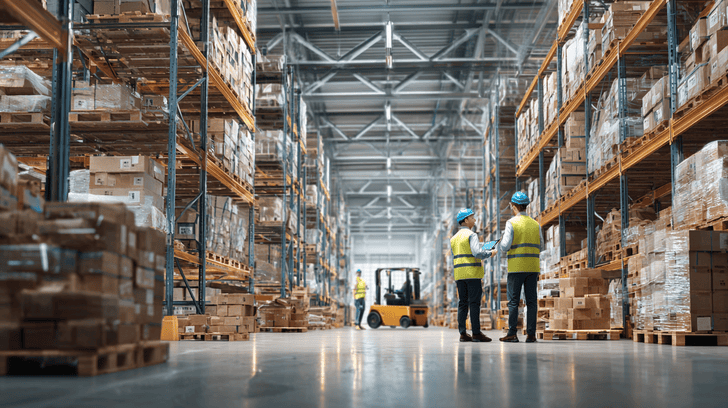
What happens inside a food distribution warehouse?
A modern food distribution warehouse does more than store products. For teams learning how to become a distributor, warehouse setup is one of the first operational areas to plan carefully.
It helps distributors move inventory faster, protect food quality, maintain compliance, and reduce waste. Inside the warehouse, teams manage receiving, storage, inventory movement, order preparation, and shipping at the same time.
To keep operations smooth, facilities rely on clear storage zones, sanitation routines, and efficient layouts.
Storage zones for different product types
Most warehouses separate products by temperature and handling needs. Dairy, frozen foods, dry goods, and fresh produce can’t all stay in the same conditions.
To protect quality and keep operations organized, facilities usually divide inventory into key zones:
- Cold storage zones → Keep temperature-sensitive products fresh, including dairy, produce, and prepared foods.
- Freezer areas → Store frozen inventory that must stay at very low temperatures.
- Refrigerated areas → Maintain stable cooling for perishable products.
- Dry goods storage → Holds shelf-stable items like canned foods, snacks, grains, beverages, and paper goods.
Clear storage separation helps teams work faster, find products easily, and reduce spoilage risks.
Cross-docking for faster movement
Many facilities use cross-docking to improve speed. Instead of storing products for long periods, teams move incoming shipments directly to outbound trucks with minimal handling.
This reduces storage costs, shortens delivery timelines, and helps fast-moving products reach customers sooner.
Inventory rotation and freshness control
Inventory rotation is critical for perishables. Most warehouses follow FIFO for perishables, meaning “first in, first out.” Older inventory ships before newer stock.
This helps reduce waste, improve freshness, and prevent products from expiring before delivery.
Sanitation and pest control
Sanitation and pest control work best when teams follow consistent daily routines. Warehouses need clear procedures that protect products, employees, and customers.
Most facilities focus on a few key practices:
- Clean storage areas, loading docks, equipment, and handling zones regularly.
- Follow hygiene procedures during receiving, picking, packing, and shipping.
- Inspect high-risk areas for contamination or pest activity.
- Seal entry points and work with pest control providers when needed.
These routines help reduce safety risks, protect inventory, and support compliance.
Why warehouse layout matters
Warehouse layout directly affects speed and safety. A smart layout reduces unnecessary movement, improves picking routes, and helps employees move products safely between storage, packing, and shipping zones.
Modern warehouses also use barcode scanning, inventory tracking systems, organized aisles, and clear traffic flow to reduce errors and keep products moving efficiently.
How do technology and automation shape operations?
Technology now plays a major role in modern food distribution operations.
Distributors use connected systems, automation tools, and real-time data to improve speed, reduce waste, and make better decisions.
Instead of relying on delayed updates, teams can monitor inventory, deliveries, and warehouse activity in real time.
Warehouse and inventory systems
Many facilities rely on warehouse management systems to organize inventory and daily workflows. These systems connect stock data, orders, picking, packing, and shipping in one place.
They help teams:
- Track stock levels and product movement.
- Improve inventory accuracy.
- Reduce manual updates.
- Process orders faster.
This makes warehouse work easier to control during busy periods.
Cold chain monitoring and real-time tracking
Temperature control is critical for perishable products. Sensors monitor storage and transportation conditions continuously and alert teams when temperatures move outside safe ranges.
Real-time tracking also gives teams better visibility into shipments, delivery progress, vehicle locations, and inventory movement. This helps distributors respond faster when delays or quality risks appear.
Traceability and compliance tools
Traceability tools help direct-store delivery companies follow products from suppliers to final delivery points.
Blockchain traceability can create more transparent product records, which is useful for compliance, recalls, and quality checks.
This gives teams clearer information when they need to verify product history or respond to food safety issues.
AI forecasting and route optimization
AI demand forecasting helps distributors plan inventory more accurately. It reviews sales patterns, seasonality, retailer demand, and historical data to predict what products customers will need.
Route optimization software and DSD route accounting tools improve delivery planning by helping teams choose better routes based on traffic, delivery windows, fuel costs, and customer locations.
Together, these tools help distributors:
- Avoid overstocking.
- Reduce shortages.
- Cut unnecessary miles.
- Improve delivery timing.
This gives teams better control over inventory, delivery costs, and customer service.
How data reduces spoilage and costs
Data helps teams make smarter daily decisions. Better forecasting reduces the chance of ordering too much inventory that may expire before sale.
At the same time, real-time tracking and temperature monitoring help protect product quality across warehouses and delivery routes.
💡 Pro Tip
Set automatic temperature alerts before products reach unsafe conditions. Early warnings give teams more time to protect perishable inventory.
This reduces spoilage, lowers costs, and keeps operations more reliable.
How do distributors manage safety and compliance?
Safety and compliance are now central parts of modern distribution operations. Distributors don’t just move products quickly. They also need to protect food quality, follow regulations, and reduce risks across the supply chain.
Even small mistakes in storage, handling, or transportation can create serious operational and financial problems.
Modern distributors manage safety through several connected processes:
- Food safety standards → Help businesses maintain proper storage, handling, transportation, and sanitation practices across warehouses and delivery operations.
- Hazard analysis and critical control points (haccp) → Focuses on identifying possible food safety risks before problems happen by monitoring critical stages like storage temperatures, product handling, and transportation conditions.
- FDA and global regulatory compliance → Requires distributors to follow different rules based on product type, supplier location, and destination market, especially in global supply chains.
- Recall procedures → Help teams identify affected inventory quickly and remove products from warehouses, stores, or delivery routes when safety issues appear.
- Documentation and traceability → Allow distributors to track product movement, supplier records, lot numbers, storage conditions, and delivery history across the supply chain.
To support compliance, teams also monitor temperatures, inspect facilities regularly, verify suppliers, maintain sanitation routines, and train employees on food handling procedures.
These daily processes help reduce contamination risks and improve operational consistency.
Technology now makes compliance easier to manage. Real-time tracking systems, digital documentation, and inventory monitoring tools help distributors respond faster when issues appear and maintain better visibility across operations.
Compliance now plays a major role in food production and distribution because supply chains are more complex and customer expectations are higher than before.
Businesses need stronger documentation, faster reporting, and better coordination between suppliers, warehouses, and transportation teams.
When distributors manage compliance effectively, they can reduce operational risks, respond faster to problems, protect product quality, and maintain stronger customer trust.
How are sustainability and efficiency balanced?
Sustainability has become a major priority in modern distribution. At the same time, distributors still need to control costs, protect margins, and keep products moving efficiently.
Many companies focus on practical changes that support both environmental goals and operational performance.
Several areas now shape daily decisions:
- Reducing food waste → Better forecasting, inventory tracking, and stock rotation help businesses avoid overstocking products that may expire before sale.
- Optimizing delivery routes → Route optimization software helps reduce fuel use, shorten delivery times, and lower transportation costs.
- Eco-friendly packaging → More distributors use recyclable, reusable, or lower-waste materials to reduce environmental impact.
- Energy-efficient refrigeration → Modern cooling systems use less energy while maintaining safe temperatures for perishable products.
- Local sourcing → Working with closer suppliers can reduce transport distances, improve delivery speed, and lower supply chain risks.
In wholesale food distribution, sustainability is no longer treated as a separate initiative. It’s now part of overall operational strategy. Businesses look for ways to improve environmental performance while still protecting product quality, delivery speed, and profitability.
Technology makes this balance easier. Forecasting tools, inventory visibility, and route tracking systems help teams make smarter daily decisions and reduce unnecessary waste across operations.
They also make it easier to spot inefficiencies before they become bigger cost problems.
💡 Pro Tip
Start sustainability efforts with route optimization first. It can quickly cut fuel use, reduce delivery delays, and make daily routes more efficient.
The best results usually come from small, consistent improvements across the broader CPG supply chain network. This helps distributors build cleaner, faster, and more resilient operations over the long term.
What challenges do modern distributors face?
Modern distribution moves faster than ever, but it’s also more complex. Distributors need to manage inventory, transportation, labor, compliance, and customer expectations while keeping costs under control.
Even one weak point can affect delivery speed, product availability, or margins. Several challenges affect daily operations:
| Challenge | How it affects distributors | How businesses respond |
|---|---|---|
| Supply chain disruptions | Supplier delays, shortages, and transport issues can affect deliveries and availability | Improve forecasting, diversify suppliers, and increase inventory visibility |
| Labor shortages | Warehouses and transport teams may struggle to hire and retain workers | Use automation, improve workflows, and train employees |
| Rising fuel costs | Higher transport expenses put pressure on margins and pricing | Optimize routes and improve delivery planning |
| Volatile demand | Demand can shift quickly due to seasonality, promotions, weather, or market changes | Use forecasting tools and real-time sales data |
| Climate-related risks | Extreme weather can affect suppliers, warehouses, and delivery routes | Build backup plans and improve supply chain flexibility |
A wholesale food distribution company must build resilience into every layer of its operation. Speed alone isn’t enough. Businesses also need stronger planning, better communication, and more flexibility when disruptions happen.
Technology helps teams react faster. Real-time tracking, forecasting systems, and connected inventory tools improve visibility and support quicker decisions.
Strong coordination also helps suppliers, warehouses, drivers, and retailers stay aligned during delays or shortages.
The most successful distributors focus on adaptability. When they respond quickly to change, they reduce risk, protect product availability, and keep operations more stable over the long term.
How can SimplyDepo improve field execution for food distributors?
Modern food distribution depends on strong coordination between warehouses, delivery teams, sales reps, retail locations, and inventory planning processes such as vendor managed inventory.
When information moves slowly or teams work in separate systems, distributors can lose time, visibility, and sales opportunities.
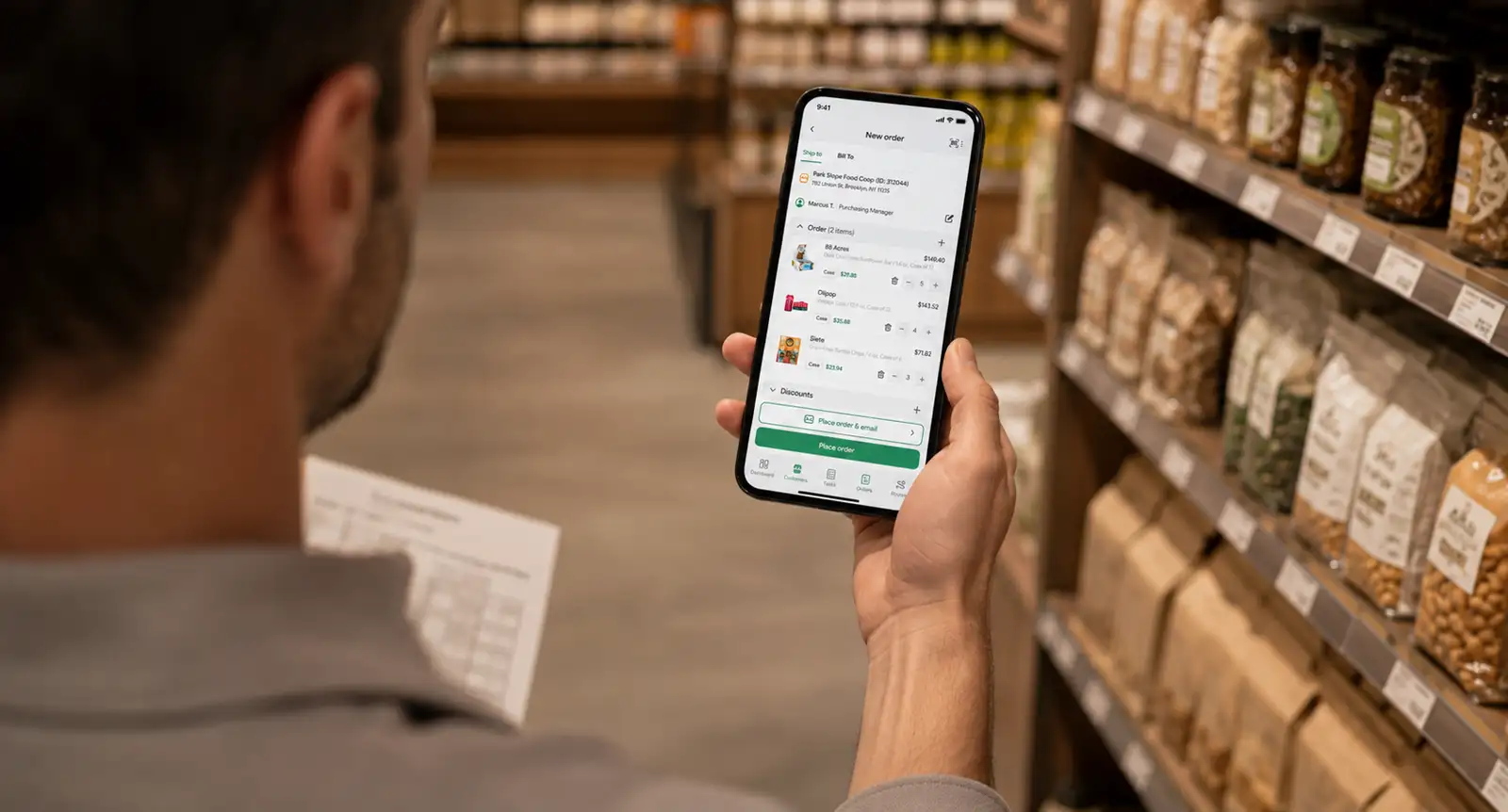
SimplyDepo helps connect these operations in one platform. It gives distributors better visibility across routes, inventory, customer accounts, and in-store execution activities.
Several features support daily operations:
- Route planning and route intelligence → Helps teams build more efficient delivery schedules for perishable products while reducing delays and unnecessary mileage.
- Real-time order tracking → Gives managers and teams live visibility into delivery progress, order status, and route activity.
- Sales rep app for in-store execution → Helps field teams manage store visits, update inventory information, complete tasks, and capture retail activity directly from mobile devices.
- Photo proof and compliance tracking → Allows teams to upload store photos, verify execution standards, and monitor shelf placement or promotional compliance.
- B2B order management → Simplifies ordering workflows between distributors, retailers, and foodservice customers.
- CRM for distributor account management → Helps sales teams track customer accounts, communication history, orders, and retail relationships in one place.
- Real-time dashboards for managers → Provide live operational insights across deliveries, sales activity, field execution, and reporting performance.
SimplyDepo also integrates with tools like QuickBooks, Stripe, Shopify, HubSpot, Zapier, Zebra, and Acumatica. These integrations help distributors reduce manual work and keep operational data connected across systems.
The platform can also improve measurable business results. Better route planning, faster reporting, and stronger field visibility help teams save time, improve execution accuracy, and increase sales performance.
Managers can spot issues faster and support reps before small problems affect customers.
By connecting warehouse operations, routes, retail execution, and reporting in one system, SimplyDepo helps distributors run faster, more organized, and more scalable operations.
How can distributors stay competitive?
Modern food distribution operations need more than fast deliveries. Distributors also need stronger visibility, better coordination, accurate forecasting, and reliable compliance processes across the entire supply chain.
Customer expectations continue to grow, while operational pressure keeps increasing.
To stay competitive, teams should focus on:
- Speed and traceability across every stage of delivery.
- Technology that connects orders, routes, inventory, and reporting.
- Compliance processes that protect product quality and reduce risk.
- Visibility from warehouse to shelf, so managers can spot issues faster.
- Efficient workflows that don’t sacrifice food safety or service quality.
The most successful distributors rely on integration, data, and disciplined execution. Warehouses, delivery teams, sales reps, retailers, and managers all need connected systems and shared operational visibility.
Without strong coordination, even small delays or inventory issues can affect customer satisfaction and profitability.
Technology now plays a major role in keeping operations organized and scalable. Real-time tracking, reporting tools, forecasting systems, and route visibility help teams make faster and smarter decisions every day.
SimplyDepo supports this approach by connecting route planning, field execution, reporting, CRM, and order management in one platform.
If your team wants better visibility, stronger execution, and more operational control, requesting a SimplyDepo demo can be a practical next step.
FAQs
Food distribution is the process of moving food products from producers and manufacturers to retailers, restaurants, and other buyers. It includes storage, transportation, inventory management, and delivery coordination. The goal is simple. Get products to the right place safely and efficiently.
Wholesale food distribution focuses on bulk sales to businesses instead of individual consumers. Distributors usually supply grocery stores, restaurants, hotels, and institutions with larger inventory volumes. Retail distribution works differently. It focuses on selling products directly to shoppers through stores or ecommerce channels.
Temperature control helps protect food quality during storage and transportation. Even small temperature changes can increase spoilage risks for products like dairy, meat, seafood, and produce. Food safety matters. Strong monitoring systems also help distributors maintain compliance and reduce operational losses.
Several technologies now play a major role in distribution operations. Warehouse management systems, real-time tracking tools, predictive analytics software, and route optimization platforms help distributors improve visibility, forecasting, inventory accuracy, and delivery coordination. Better data matters. It helps teams react faster and reduce delays.
Distributors reduce waste by improving forecasting, tracking inventory accurately, and rotating products before expiration dates approach. Many also use temperature monitoring and route optimization to protect perishables during storage and delivery. Better visibility helps teams respond faster when risks appear.
-
 October 8, 2026
 -
 October 8, 2026
 -
 October 7, 2026