How to Track Retail Execution Performance: Complete Guide


Retail moves fast, so real-time data now matters more than ever for quick store decisions.
You can’t wait weeks to find out what happened in stores, especially as McKinsey notes that retail decision-making is moving from static weekly cycles toward richer, real-time insights. Small execution gaps can quickly cost you sales, visibility, and customer trust.
That’s why tracking performance is essential. It helps you see what’s working, fix issues faster, and keep every retail campaign execution on track.
In this guide, you’ll learn how to monitor store activity, measure results, and turn field data into clear, practical actions.
What is retail execution performance?
Retail execution performance shows how well your store-level plans turn into real results. In simple terms, it measures whether products, displays, prices, promotions, and field tasks happen the way you planned.
Strategy is the plan. Execution is what actually happens in stores.
That difference matters because shoppers don’t see your strategy deck. They see shelves, signage, product availability, and promo displays. So performance depends on what your teams complete on the floor, aisle by aisle and store by store.
When execution is poor, the damage can stay quiet at first. Products sit in the wrong place. Promotions launch late. Displays miss key items. Field teams report issues too slowly. Over time, these small gaps weaken retail execution and sales performance.
Tracking performance helps you catch those gaps early, fix them faster, and protect revenue before small problems become bigger losses.
Why does tracking execution matter?
Tracking execution matters because retail teams can’t rely on guesswork.
Competition is stronger, shoppers expect better in-store experiences, and small mistakes can affect sales fast.
You’re also dealing with tighter margins and higher costs. Forrester research points to margin pressure, inflation, stronger competition, and market volatility as key challenges for retailers.
That means every missed display, late promotion, wrong price, or out-of-stock product matters. Small gaps may seem minor, but they can quietly reduce revenue across many stores.
The biggest shift is real-time visibility. Instead of waiting for reports, you can see what’s happening in stores and fix issues faster.
This helps you improve:
- Store compliance.
- Promotion accuracy.
- Product availability.
- Field team performance.
Better tracking also connects retail campaign execution with real business results. When you monitor tasks, photos, stock levels, visits, and issue reports, you see how retail execution and sales performance work together.
That gives you a clear way to reduce waste, support teams, and protect revenue.
What are the core retail execution metrics?
To track retail execution well, focus on metrics that show what’s really happening in stores. You don’t need to measure everything at once.
Start with the numbers that connect store activity to sales, availability, and compliance.
Here are the core metrics to watch:
| Metric | What it shows | Why it matters |
|---|---|---|
| On-shelf availability rate | How often products are available on the shelf | Helps you prevent lost sales from missing products |
| Out-of-stock percentage | How often products are unavailable | Shows where replenishment or forecasting needs work |
| Planogram compliance | Whether products follow the approved shelf layout | Keeps product placement consistent across stores |
| Promotion compliance | Whether promotions run as planned | Helps protect retail campaign execution and promo ROI |
| Share of shelf | How much shelf space your brand gets | Shows visibility compared with competitors |
| Sales per store | Revenue by location | Helps you spot strong and weak store performance |
| Visit productivity | What field reps complete during store visits | Shows whether visits lead to useful action |
| Display compliance | Whether displays are set up correctly | Keeps campaigns visible, clear, and shopper-ready |
Together, these metrics give you a practical view of performance. They help you understand both the store condition and the quality of field execution.
For example, strong sales may hide poor compliance if one store performs well while others fall behind. On the other hand, low sales with high compliance may point to pricing, demand, placement, or local competition.
The goal isn’t to create more reports. It’s to see gaps faster, fix them sooner, and help every store execute your plans more consistently.
When you track these metrics regularly using connected retail execution software, your team can make better decisions, support field reps, and protect revenue across every location.
💡 Pro Tip
Start with 3–5 core KPIs first. Teams usually improve execution faster when dashboards stay simple and focused.
How do you measure on shelf availability accurately?
To measure on-shelf availability accurately, you need to compare what your systems say with what shoppers actually see. Inventory data is useful, but it doesn’t always show the full shelf reality.
Start with physical shelf checks. Field reps or store teams should confirm whether the product is visible, correctly placed, and easy to buy. This helps you catch issues that systems often miss, like items sitting in the back room or placed in the wrong aisle.
Then, compare system-reported inventory with actual stock. If your system says a product is available but the shelf is empty, you’ve found a gap that can hurt sales.
You can also use tools to make checks faster and more consistent:
- Image recognition tools → Scan shelf photos and detect missing products.
- Cycle counting methods → Check selected SKUs regularly instead of waiting for full inventory counts.
- Mobile forms → Let teams report stock issues during each visit.
A few mistakes can make your numbers unreliable. Don’t count back-room stock as shelf availability. Don’t rely only on POS or inventory data. And don’t measure too rarely, especially during promotions.
Accurate shelf checks help you connect retail execution and sales performance more clearly.
When you know what’s actually available on the shelf, you can fix gaps faster, reduce missed sales, and make better store-level decisions.
How do you track promotion and display compliance?
To track promotion and display compliance, you need clear proof from every store.
Don’t rely only on notes or verbal updates. Use simple checks that confirm whether each promotion was set up correctly, on time, and in the right location.
Start with pre-defined compliance checklists. They help field teams inspect the same details during every store visit:
- Display location → Confirms the promo is placed where shoppers can easily see it.
- Product availability → Shows whether promoted items are actually on the shelf.
- Correct signage → Makes sure offers and messaging stay clear.
- Promo pricing → Checks that displayed prices match the campaign plan.
- Shelf or endcap setup → Verifies that displays follow the approved layout.
Next, add photo verification. Field reps can upload photos of shelves, displays, and promotional materials. This gives managers quick visual proof and helps spot problems faster.
GPS-verified store visits also improve accuracy. They confirm that the rep visited the correct location. Time-stamped execution records show exactly when each task was completed, which helps teams track delays or missed setups.
Finally, measure promotional sales lift. Compare sales before, during, and after the campaign to understand whether the promotion actually improved results.
Together, these checks give you a clearer view of retail campaign execution and help connect retail execution and sales performance using real store-level data.
How can sales data improve execution tracking?
Sales data helps you understand whether store execution is actually improving results.
Instead of tracking completed tasks alone, you connect execution metrics directly to revenue and store performance.
One major benefit is comparing high-performing and underperforming stores. If one location delivers stronger sales with the same products and promotions, you can review execution quality, stock availability, display setup, or field activity to understand the difference.
Sales data also helps you spot regional trends faster. Some areas may respond better to promotions, while others may show recurring execution gaps.
💡 Pro Tip
Look for patterns by store cluster, not just by city or region. Similar store formats often share the same execution issues.
Another important step is comparing expected vs actual sales during promotions. A campaign may look compliant on paper but still produce weak results. This helps you identify hidden problems during retail campaign execution.
Many teams also use execution scorecards that combine sales, compliance, availability, and visit data into one clear view. This helps demonstrate the power of retail analytics while improving consistency across stores.
This makes performance easier to track and helps managers improve consistency across stores.
What technology is essential?
Retail execution depends on fast, connected technology. Manual reports, spreadsheets, and delayed updates no longer work when teams need real-time visibility across many stores.
Modern tools help you track performance faster, reduce blind spots, and make better decisions across every location.
The goal isn’t just collecting more data. It’s helping teams see what’s happening in stores and react faster when issues appear.
Mobile apps and real-time reporting
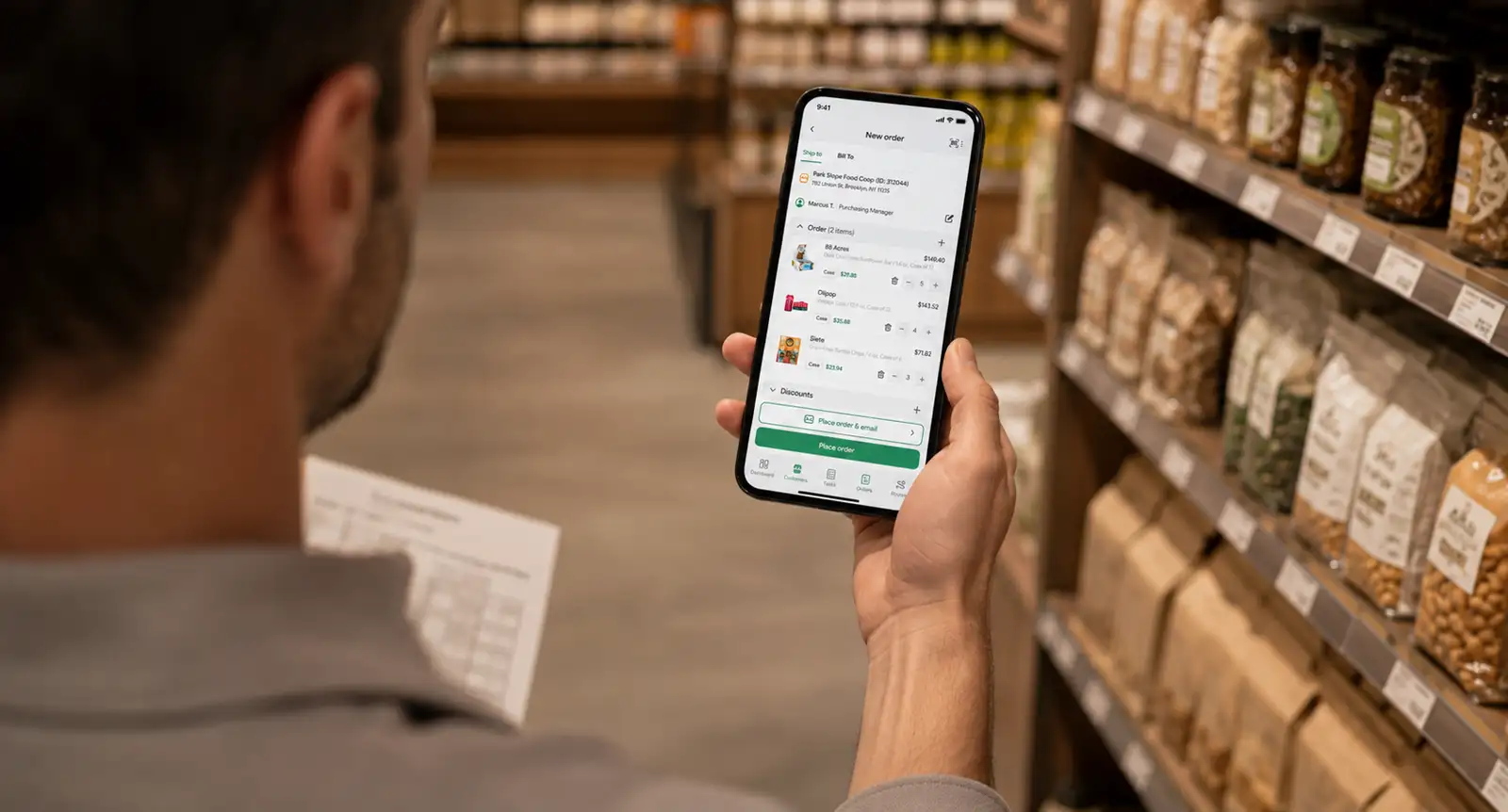
Mobile field execution apps help reps complete tasks, upload photos, track visits, and report issues directly from the store floor.
This keeps reporting faster, more accurate, and easier to manage across multiple locations.
Real-time dashboards and cloud-based reporting platforms also give managers instant visibility into compliance, stock levels, sales trends, and field activity. Instead of waiting for weekly reports, teams can spot problems earlier and respond faster.
AI analytics, POS integrations, and alerts
AI-powered shelf analytics and image recognition tools help teams scan shelf photos and detect problems automatically. Computer vision reduces manual checking and improves consistency across stores.
These tools help teams spot:
- Missing products.
- Pricing issues.
- Display gaps.
- Planogram problems.
Integrated POS data systems connect store activity with sales results. This helps teams understand whether promotions and displays improve performance during retail campaign execution.
Automated alerts and exception reporting also save time by flagging low stock, missed visits, or failed compliance checks early.
Many companies now use unified platforms like SimplyDepo to combine route intelligence, verified field execution, real-time dashboards, and system integrations in one place.
How should companies build an execution dashboard?
A good execution dashboard should make decisions easier, not create more confusion. The goal is to help teams spot problems quickly, track progress clearly, and focus on actions that improve results.
Start by defining clear KPIs. Focus on metrics tied directly to store activity, such as compliance rates, stock availability, visit completion, or sales trends supported by integrated sales rep tracking software.
Then, set benchmark targets so teams know what strong performance looks like.
Keep visualizations simple. Use clear charts, color indicators, and easy-to-read summaries instead of crowded reports. Managers should understand the dashboard quickly.
It’s also important to highlight actionable insights. Don’t just show numbers. Show where problems exist and what teams should fix first.
Segmenting data also makes reporting more useful:
- Region → Compare territory performance faster.
- Store type → Spot differences between locations.
- Product category → Identify stronger and weaker categories.
At the same time, avoid dashboard overload. Too many metrics make reporting harder to use.
The best dashboards help teams connect retail execution and sales performance in one clear view, making store-level decisions faster and more practical.
What are common tracking challenges?
Tracking retail execution sounds simple, but many teams struggle with the same common problems. Small issues in reporting and communication can quickly reduce visibility and slow decisions.
One major challenge is inconsistent data collection. If stores and field reps report information differently, your numbers become unreliable. Delayed reporting creates another problem because teams react too late to fix issues.
Some companies also face field team resistance. Complicated tools or extra manual work can reduce reporting accuracy and slow adoption.
Poor data integration makes tracking harder too. When systems don’t connect, teams waste time comparing spreadsheets, photos, and sales reports manually. Tracking too many metrics without clear priorities also creates confusion instead of useful insights.
Lack of accountability is another common issue. If nobody owns follow-ups, problems stay unresolved longer and affect retail campaign execution.
Over time, these gaps make it harder to connect retail execution and sales performance clearly.
How can companies improve performance using execution data?
Execution data becomes valuable when teams actually use it to improve store performance. Collecting reports alone isn’t enough anymore. The real value comes from turning store activity into faster decisions, better coaching, and stronger execution across every location.
Instead of reacting too late, companies can spot problems earlier, prioritize the right stores, and respond before small issues affect sales or compliance.
Here’s how companies use execution data to improve results:
| Execution insight | How it improves performance |
|---|---|
| Repeat compliance gaps | Helps managers focus support on recurring store issues |
| High-impact stores | Prioritizes resources where sales potential is highest |
| Incentive alignment | Encourages stronger execution consistency |
| Field coaching | Uses real examples to improve team performance |
| Pilot programs | Tests ideas before expanding changes across all stores |
This approach makes coaching more practical. Managers can use photos, compliance reports, and visit data to show teams exactly what needs improvement instead of relying on vague feedback.
💡 Pro Tip
Use side-by-side photo comparisons during coaching sessions. Teams usually learn faster from visuals than written instructions.
Execution data also helps companies focus time and resources more effectively. Instead of treating every location the same, teams can prioritize stores with the biggest impact on sales, visibility, or compliance.
Many companies also run controlled tests and pilot programs before rolling changes out everywhere. This helps teams compare results, reduce risk, and improve future decisions using real store data.
Access to live information through connected retail execution monitoring software makes these improvements easier.
For example, SimplyDepo helps managers act on real-time field activity instead of waiting for weekly reports, improving accountability and response time across stores.
Over time, this creates stronger retail campaign execution and more consistent store-level performance.
How often should retail execution be reviewed?
Retail execution should be reviewed regularly, but not every metric needs the same schedule. The right frequency depends on product velocity, promotion activity, and how quickly issues affect sales.
A structured review process helps teams react faster, spot problems earlier, and improve decisions across stores.
Here’s a simple way to organize reviews:
- Daily monitoring → Track critical KPIs like stock availability, display compliance, or missed visits.
- Weekly performance summaries → Review store activity, issue resolution, and execution progress.
- Monthly trend analysis → Identify patterns across stores, regions, or product categories.
- Quarterly strategic reviews → Adjust tools, processes, or execution priorities.
This approach is especially important during retail campaign execution, when delays or missing products can quickly affect results.
It’s also important to stay flexible. Fast-moving products usually need more frequent reviews than slower categories.
Over time, consistent reviews help teams connect retail execution and sales performance more clearly and improve accountability across stores.
Turn retail data into actionable insights
Retail execution is all about visibility, speed, and consistency. What gets measured gets improved, especially when teams can see what’s happening at the shelf level in real time.
Strong tracking helps companies react faster, fix issues earlier, and improve retail campaign execution before problems affect sales.
It also makes retail execution and sales performance easier to connect across stores and product categories.
Technology now plays a major role in execution tracking. Mobile tools, live dashboards, image recognition, and automated reporting help teams work faster and make more accurate decisions.
But data alone isn’t enough. The real value comes from turning insights into action. Teams that respond quickly to compliance gaps, stock issues, and store-level problems usually see better long-term results.
Consistent tracking also drives more consistent growth across stores. If you want better visibility and faster field execution, consider booking a demo with SimplyDepo.
FAQs
The most important KPIs include stock availability, display compliance, planogram accuracy, promotion compliance, visit completion, and sales per store. These metrics help teams track what’s happening in stores daily, spot execution gaps faster, and improve retail execution and sales performance over time.
Technology makes tracking faster and more accurate. Mobile apps, AI shelf analytics, dashboards, and automated alerts help teams monitor stores in real time instead of relying on delayed reports. This improves visibility, speeds up decisions, and strengthens retail campaign execution across locations.
You connect execution metrics to sales by comparing compliance, availability, display quality, and field activity with actual store revenue. This helps teams identify which execution efforts improve sales, which stores need support, and where performance gaps continue affecting results.
Execution performance should be reviewed daily, weekly, monthly, and quarterly depending on the metric and product velocity. Fast-moving products often need closer monitoring, while long-term trends and strategy updates are usually reviewed less frequently to keep reporting practical and focused.
Common mistakes include inconsistent reporting, delayed updates, poor data integration, unclear KPIs, and tracking too many metrics at once. Some teams also collect data without acting on it, which reduces visibility, slows decisions, and makes execution problems harder to fix quickly.
-
 October 8, 2026
 -
 October 8, 2026
 -
 October 7, 2026