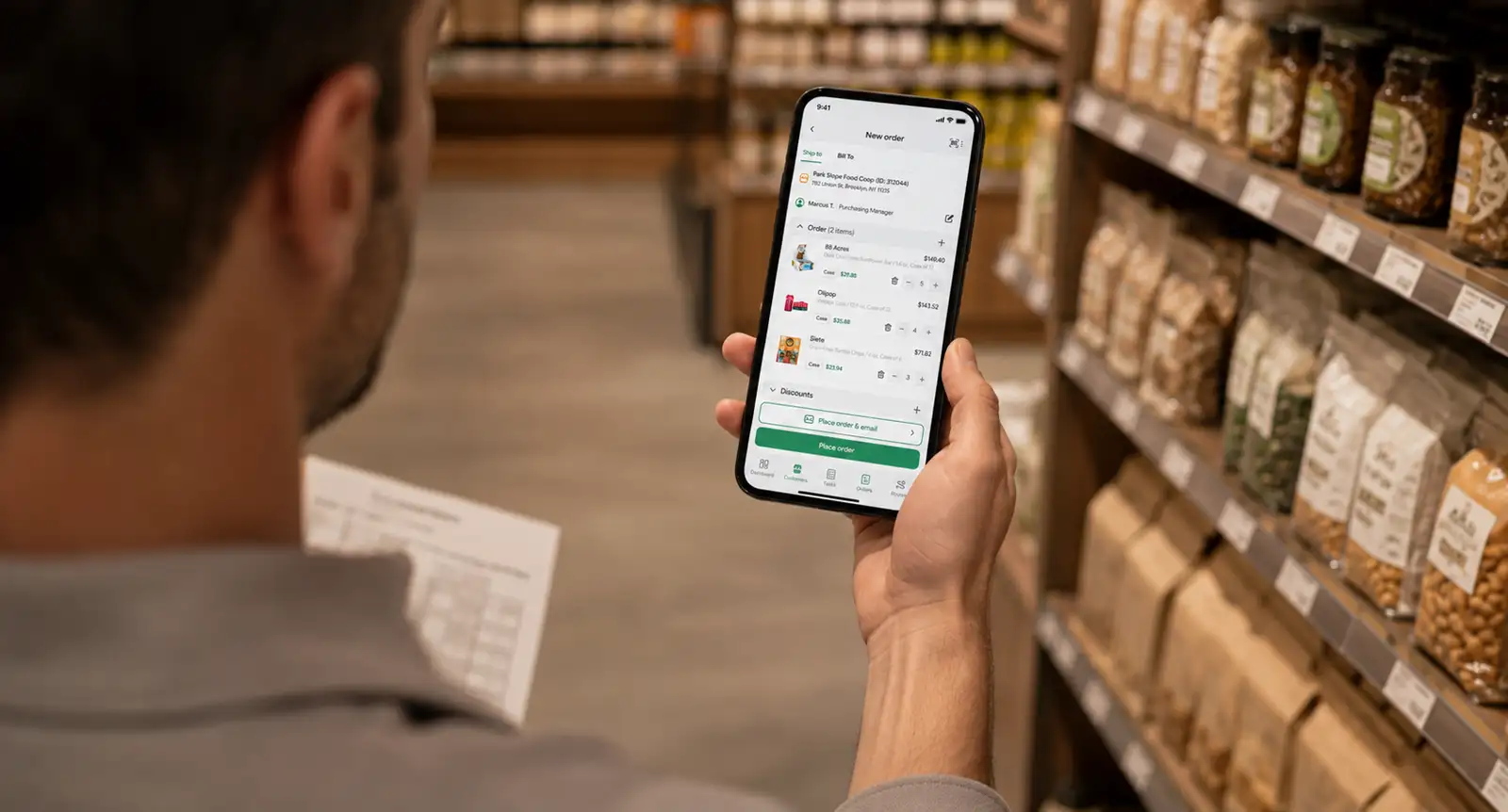
Retail Inventory Management: Methods, Metrics & Tools That Work


Retail inventory management plays a huge role in keeping retail operations running smoothly. When inventory is managed well, it’s easier to keep products available, avoid wasted stock, and respond faster to demand.
As Forrester highlights, accurate in-store product availability matters to today’s shoppers, so even small inventory mistakes can lead to lost sales, extra costs, and delays. With the right methods and tools, you can reduce waste and avoid tying up cash in slow-moving items.
In this guide, you’ll learn practical methods, key metrics, and useful tools for smarter inventory decisions.
Retail inventory management: what is it and why does it matter?
Retail inventory management is the process of tracking, organizing, ordering, and replenishing products across your retail business.
In simple terms, it helps you know what products you have, where they are, and when you need to restock. When inventory is managed well, stores run smoothly, customers find products faster, and businesses avoid unnecessary costs.
Inventory connects purchasing, warehousing, sales, fulfillment, and customer satisfaction. If inventory isn’t managed properly, even popular products can become harder to sell efficiently.
Small stock issues can quickly turn into larger operational problems that affect both revenue and customer experience.
Poor inventory control often creates clear business problems:
- Empty shelves → Missed sales and frustrated customers.
- Too much stock → Cash tied up in slow-moving products.
- Disorganized storage → Slower fulfillment and operational delays.
- Inventory mistakes → Extra costs and inaccurate reporting.
Product availability also affects revenue. If customers can’t find what they want, many will buy from another retailer.
At the same time, ordering too much inventory increases storage costs and reduces profitability. The goal is to keep the right products available at the right time without overstocking or creating unnecessary waste.
This is why modern systems matter. In the past, many retailers relied on spreadsheets, paper records, or manual stock counts. Those methods take more time and increase the risk of human error.
Today, modern systems automate tracking, update stock levels in real time, reduce manual errors, and make it easier to manage products across stores, warehouses, and online channels.
According to HubSpot research, better forecasting also helps teams plan inventory levels and supply chain operations more accurately.
As ecommerce and omnichannel shopping grow, retail & inventory management has become more connected. Businesses that manage inventory well can respond faster to demand, improve customer experiences, and make smarter operational decisions every day.
What types of inventory do retailers manage?
Retailers manage several types of inventory, and each one needs a different strategy. Some products move quickly, while others need longer planning, extra storage, or seasonal preparation.
Understanding these categories helps businesses improve forecasting, reduce waste, and make smarter purchasing and replenishment decisions.
Here are the main inventory types retailers usually manage:
| Inventory type | What it means | How to manage it |
|---|---|---|
| Raw materials | Items used to create products for private label or manufacturing operations | Monitor supplier lead times and avoid overordering |
| Work in progress | Products still being assembled, packaged, or prepared for sale | Track production stages closely to prevent delays |
| Finished goods | Completed products ready for customers to buy | Replenish based on demand and inventory turnover |
| Maintenance and operating supplies | Internal-use items like packaging, labels, or cleaning supplies | Keep steady stock levels to avoid disruptions |
| Seasonal and promotional inventory | Products tied to holidays, trends, or campaigns | Plan around demand spikes and shorter selling windows |
| Safety stock and buffer stock | Extra inventory kept for demand spikes or supplier delays | Maintain backup stock without creating unnecessary overstock |
Different inventory categories create different risks and costs. Seasonal products can lose value quickly after demand drops, while safety stock helps prevent missed sales during unexpected demand or supplier disruptions.
This is especially important in the inventory management retail industry, where businesses often use retail execution software to track stock across stores, warehouses, and ecommerce channels at the same time.
Retailers that understand their inventory categories can make faster decisions, improve product availability, and control inventory costs more effectively.
What are the core methods retailers use?
Retailers use different inventory methods to control stock, reduce waste, and make replenishment easier.
The best method depends on what you sell, how fast products move, how reliable your suppliers are, and how much storage space you have.
A small store may need a simple process, while a multi-location chain usually needs real-time tracking and stronger planning.
FIFO, LIFO, and weighted average
These methods help retailers manage product flow and inventory costs. They’re useful when products expire, prices change, or stock moves at different speeds.
The main differences are simple:
- FIFO → Sells older stock first, which helps reduce waste and keep inventory fresh.
- LIFO → Sells newer stock first, which can work for some non-perishable products.
- Weighted average → Uses the average product cost across all inventory units.
FIFO works well for groceries, beauty, and seasonal products because it helps move older inventory faster. LIFO can work for some non-perishable goods, but older stock may sit too long.
Weighted average is useful for high-volume retailers, though it’s less accurate when costs change quickly.
Just-in-time and economic order quantity
Just-in-time means inventory arrives close to when you need it. It helps small stores avoid overbuying and save storage space, but supplier delays can cause stockouts.
Economic order quantity helps retailers calculate how much inventory to order at once. It works best when demand is stable and sales patterns are predictable. If demand changes often, EOQ needs regular updates.
ABC analysis and dropshipping
These methods help retailers prioritize products and add flexibility.
In practice, they work like this:
- ABC analysis → Ranks products by importance, so teams can focus on high-value inventory first.
- Dropshipping → Sends orders through suppliers, so retailers can sell products without storing extra stock.
ABC analysis works well for large catalogs or multi-location chains. Dropshipping is useful for ecommerce stores testing products, but it gives less control over delivery, packaging, and customer experience.
Perpetual vs periodic systems
Perpetual systems update stock levels in real time after every sale. They’re ideal for growing retailers, omnichannel businesses, and chains managing several locations.
Periodic systems rely on manual inventory counts at set times. They can work for small stores, but they provide less visibility between counts and make stock issues harder to catch early.
💡 Pro Tip
If you use a periodic system, run quick spot checks on your fastest-moving products between full counts. This helps catch stock errors early without turning inventory checks into a major task.
Strong retail inventory management works best when businesses combine methods. One of the most useful retail inventory management best practices is matching each method to your products, sales patterns, and replenishment needs.
Which metrics actually matter?
Tracking inventory without measuring performance only tells part of the story. The right metrics help retailers understand what’s selling, what’s slowing down, and where money is being lost.
They also make it easier to improve replenishment, reduce waste, and spot inventory problems before they grow.
Inventory turnover ratio
This metric shows how often inventory sells and gets replaced over a certain period.
A higher turnover usually means products move efficiently. A very low turnover can signal overstocking or weak demand.
It can also show that too much cash is tied up in products that aren’t moving fast enough.
Sell-through rate
Sell-through rate measures how much inventory you sell compared to how much stock you received from suppliers. A strong rate usually means products match customer demand and inventory isn’t sitting too long.
A low sell-through rate may point to:
- Weak forecasting.
- Slow-moving products.
- Poor promotions.
- Overstocking.
Tracking sell-through regularly helps retailers spot weak-performing inventory before it creates larger storage and profitability problems.
Gross margin return on investment (GMROI)
GMROI shows how much profit inventory generates compared to its cost. It helps retailers understand whether products are truly worth stocking.
For example, some products may sell quickly but still generate weak profit margins. GMROI helps reveal that difference and supports smarter purchasing decisions.
Shrinkage rate
Shrinkage tracks inventory losses caused by theft, damage, missing products, or reporting errors. Even small shrinkage problems can quietly reduce profits over time.
Higher shrinkage rates often point to:
- Weak inventory controls.
- Poor warehouse organization.
- Inaccurate stock tracking.
Tracking shrinkage regularly helps retailers spot hidden losses and fix process gaps before they become bigger profit problems.
Stockout rate
Stockout rate measures how often products become unavailable. Frequent stockouts can hurt revenue and customer loyalty because shoppers may buy from competitors instead.
This metric becomes especially important during seasonal spikes, promotions, or high-demand periods.
Days sales of inventory (DSI)
DSI shows how long products stay in inventory before selling. Lower numbers usually mean inventory moves faster.
Higher numbers can signal overstocking or slow-moving products that take too long to sell. It also helps retailers see when buying decisions need to be adjusted.
Carrying cost
Carrying cost measures the total cost of storing inventory, including warehousing, storage space, insurance, and unsold products. High carrying costs often reduce profitability, especially when excess inventory builds up.
Together, these metrics reveal the overall health of inventory management in retail. One weak number doesn’t always mean something is broken, but patterns matter.
Rising stockouts, slowing turnover, growing carrying costs, or declining sell-through rates usually signal that forecasting, replenishment, or purchasing decisions need attention.
How does forecasting improve results?
Forecasting helps retailers predict future demand so they can make smarter inventory decisions before problems happen. Instead of reacting too late, businesses can prepare for changes in sales, seasonal demand, supplier delays, and customer behavior in advance.
It also helps teams plan purchases with more confidence and reduce rushed inventory decisions later.
Good forecasting usually combines several factors together:
- Historical sales data → Shows what products sold well in the past and when demand increased or slowed down.
- Seasonality → Helps retailers prepare for holidays, weather changes, and seasonal shopping patterns.
- Trend analysis → Tracks changes in customer behavior, popular products, and buying habits over time.
- Promotions and external factors → Includes discounts, marketing campaigns, events, or market changes that may affect demand.
- Supplier lead times → Helps retailers order inventory early enough to avoid delays and stockouts.
Forecasting helps reduce both overstock and stockouts. Ordering too much inventory ties up cash and storage space, while ordering too little can lead to missed sales and frustrated customers.
Better planning helps retailers keep the right amount of stock available at the right time while reducing unnecessary costs.
This becomes even more important in retail store inventory management, where shelf space is limited and products need to move efficiently.
Retailers need enough stock to meet demand without overcrowding shelves, backrooms, or storage areas. Accurate forecasting also helps stores prepare for busy periods and sudden demand changes more effectively.
💡 Pro Tip
Review forecasts separately for promotions and normal sales periods. Discount campaigns can distort demand data, so this makes future replenishment decisions more accurate.
To improve forecast accuracy, retailers should review sales data regularly, track seasonal patterns separately, adjust forecasts after promotions, monitor supplier performance, and compare forecasts with actual sales results.
No forecast will ever be perfect, but consistent inventory forecasting helps retailers reduce waste, improve inventory flow, and make replenishment more reliable.
How do tools and software make a difference?
Technology helps retailers manage inventory faster, more accurately, and with less manual work. As businesses grow, spreadsheets and manual stock counts become harder to manage.
Digital tools make it easier to track products, update inventory levels, and respond to demand changes in real time.
Modern systems also reduce human error. Instead of manually updating stock after every sale or delivery, software can automatically sync inventory across stores, warehouses, ecommerce platforms, and marketplaces.
Some of the most common inventory tools include:
| Tool | What it helps with | Best for |
|---|---|---|
| Inventory management systems | Inventory tracking, replenishment, reporting | Growing retailers and multi-channel businesses |
| Barcode and RFID tracking | Faster stock counts and better accuracy | Retailers with large product volumes |
| POS integrations | Real-time inventory updates after sales | Physical stores and omnichannel retailers |
| ERP systems | Connecting inventory with operations and finance | Enterprise brands and complex supply chains |
| Cloud-based tools | Remote inventory visibility across locations | Multi-store and distributed teams |
| Automation and AI forecasting | Demand prediction and automated replenishment | Retailers scaling inventory operations |
The difference between manual tracking and digital systems becomes more obvious as inventory grows. A small retailer with limited SKUs may still manage inventory using spreadsheets or periodic stock counts.
But once businesses expand into multiple stores, ecommerce channels, or larger product catalogs, manual processes often become too slow and inaccurate.
Digital systems also improve scalability. Small retailers can start with simple cloud-based inventory tools and expand features as operations grow.
Larger enterprise brands usually need advanced ERP systems, automation, and real-time inventory visibility across warehouses, stores, and fulfillment centers.
Technology also supports faster decision-making. Retailers can identify slow-moving products earlier, spot stock shortages faster, and reduce overordering before inventory costs increase.
The right software supports retail inventory management best practices by improving visibility, reducing manual errors, automating repetitive tasks, and helping teams respond to demand changes in real time.
Instead of spending hours updating spreadsheets, retailers can focus more on forecasting, replenishment, and customer experience.
What are common mistakes retailers make?
Even strong retailers can struggle with inventory when small mistakes build up over time.
These issues may not look serious at first, but they can increase costs, reduce accuracy, create delays, and hurt customer experience across the business.
One common mistake is overordering based on optimism instead of real demand. Retailers may expect products to sell faster than they do, which leads to excess stock, higher storage costs, and cash tied up in slow-moving items.
Another issue is ignoring inventory data. Sales trends, stock movement, and forecasting reports help teams make better replenishment decisions and react faster when demand changes.
Some mistakes are especially important to watch:
- Overordering → Creates excess stock, storage costs, and unnecessary markdowns.
- Ignoring data → Leads to weak forecasting and late inventory decisions.
- Poor supplier communication → Increases the risk of delays, shipment issues, and stockouts.
- Lack of audits → Lets inventory errors stay hidden for too long.
- Not tracking shrinkage → Allows theft, damage, and missing products to reduce profit quietly.
- Disconnected online and offline inventory → Creates inaccurate stock levels across stores and ecommerce channels.
These problems often create hidden costs that retailers don’t notice immediately, from missed sales to emergency replenishment orders and unnecessary discounting.
Strong retail & inventory management depends on accurate data, consistent tracking, supplier coordination, and regular reviews.
Retailers that catch small issues early can improve accuracy, reduce waste, avoid bigger operational problems, and make inventory decisions with more confidence.
How can retailers optimize their processes?
Improving inventory processes doesn’t always require major changes. Small improvements made consistently can reduce errors, improve stock accuracy, and make daily operations easier.
The goal is to build systems that help teams react faster and make better decisions over time.
Start with inventory accuracy
Cycle counting helps retailers check small portions of inventory regularly instead of waiting for large annual counts. This makes it easier to catch mistakes early without disrupting daily operations.
It usually works best when teams focus on:
- High-value products.
- Fast-moving items.
- Products with frequent stock errors.
Regular cycle counting and retail audits help improve accuracy step by step instead of fixing everything at once.
Set smarter replenishment rules
Setting reorder points helps retailers know when inventory should be replenished before products run out.
Strong replenishment planning reduces stockouts, prevents emergency orders, and keeps inventory levels more stable.
It also helps businesses avoid holding more inventory than necessary.
Improve supplier coordination
Supplier relationships directly affect inventory performance. Better communication helps retailers stay informed about lead times, shipment delays, and product availability.
Strong supplier coordination helps with:
- More reliable replenishment.
- Fewer unexpected delays.
- Better planning before busy periods.
When suppliers and retailers share updates early, teams can avoid many last-minute inventory problems.
Use automation and alerts
As inventory grows, manual tracking becomes harder to manage. Automation tools and alerts help retailers react faster to low stock, delayed shipments, unusual sales activity, or overstock risks.
They also reduce the chance of missing important inventory changes during busy periods.
💡 Pro Tip
Set alerts for both low stock and unusually slow-moving inventory. Overstock risks can hurt margins just as much as stockouts.
Connect inventory across channels
Retailers need visibility across stores, warehouses, ecommerce platforms, and marketplaces at the same time.
Cross-channel inventory visibility helps businesses maintain accurate stock levels and avoid overselling products online. It also improves the customer experience by making product availability more reliable.
Train your team
Even strong systems depend on people using them correctly. Employees should know how to receive stock, update inventory systems, handle products, and report damaged or missing items. Well-trained teams make fewer mistakes and spot problems faster.
Strong retail inventory management depends on continuous improvement, not one-time fixes.
Retailers that review performance and adjust processes regularly can reduce waste, improve replenishment, and build more reliable operations.
How does SimplyDepo support retail execution and inventory visibility?
SimplyDepo is a mobile-first platform built for CPG brands, distributors, and field sales teams that need better visibility across retail operations. Instead of managing routes, store visits, orders, and reporting in separate tools, teams can handle everything in one system.
The platform helps connect field execution with daily inventory and sales activity, making operations easier to manage in real time.
It’s especially useful for teams that need to understand what’s happening at the store level, not just in the back office.
Some of the main features include:
- Sales rep app and account CRM → Gives field reps access to customer accounts, visit history, tasks, and sales activity directly from mobile devices.
- Route intelligence and task management → Helps teams optimize routes, schedule store visits, and manage in-store priorities more efficiently.
- B2B order portal → Allows retailers and wholesale customers to place orders faster without manual coordination.
- Verified field execution with photo proof → Lets managers confirm shelf placement, displays, promotions, and store compliance using photo verification.
- Real-time reporting and visit tracking → Gives teams instant visibility into store visits, sales activity, inventory updates, and rep performance.
SimplyDepo also supports integrations with tools businesses already use, including QuickBooks, Stripe, Shopify, HubSpot, Zapier, Zebra, and Acumatica. These integrations help reduce manual work and improve data visibility across systems.
The platform is designed to support retail inventory management by connecting field sales, routes, reporting, and store-level execution into one operational workflow.
Businesses also benefit from flexible pricing with no annual contract, no minimum seat requirements, and free team training.
SimplyDepo holds strong user ratings, including 4.8 on G2 and 4.7 on Capterra. Many teams use the platform to save time per sales rep, improve reporting cycles, increase retail sales visibility, and react faster to inventory or execution problems in stores.
How can retailers turn inventory into a growth engine?
Strong inventory performance doesn’t happen through guesswork. Retailers that use clear processes, accurate data, and consistent tracking make faster, smarter decisions across daily operations.
Good inventory management helps reduce waste, improve availability, protect margins, and respond to demand changes with less disruption.
The core idea is simple:
- Structure → Less guesswork.
- Metrics → Smarter decisions.
- Technology → Faster action.
- Field visibility → Better store execution.
- Continuous improvement → Stronger growth.
The biggest improvements happen when methods, metrics, and technology work together.
Inventory methods improve replenishment, metrics show what needs attention, and digital tools help teams react in real time. Field visibility also matters because retailers need to understand what’s happening inside stores, not just inside reports or warehouse systems.
Platforms like SimplyDepo help connect field sales, route planning, reporting, and store execution into one workflow.
This gives teams better store-level visibility and helps them act faster when inventory or execution issues appear. Retailers looking to improve visibility and efficiency may benefit from booking a SimplyDepo demo.
Strong retail inventory management is not only about controlling stock. It also supports profitability, agility, faster replenishment, and better customer experiences across every sales channel.
FAQs
Retail inventory management is the process of tracking, ordering, storing, and selling products efficiently. The goal is to keep products available without overstocking or running out. Strong inventory management also helps retailers reduce waste, improve cash flow, and respond faster to customer demand changes.
For many small retailers, FIFO combined with a perpetual inventory system works well. It helps keep inventory fresh while providing real-time stock visibility. This setup is usually easier to manage than complex enterprise systems and still supports accurate replenishment and daily inventory tracking.
Most retailers perform cycle counting weekly or monthly while scheduling a full physical inventory count once or twice per year. The right schedule usually depends on inventory size, sales volume, and product value. Fast-moving or high-value items often need more frequent checks to maintain accuracy.
Inventory turnover is one of the most important inventory metrics because it shows how efficiently products are selling and being replenished. A healthy turnover rate usually means inventory moves consistently without sitting too long, helping retailers reduce storage costs and improve cash flow.
Yes. Modern inventory management software reduces manual errors and gives retailers better visibility across stores, warehouses, and ecommerce channels. Many systems also automate reordering, reporting, and forecasting tasks, which helps teams react faster to demand changes and maintain more accurate stock levels over time.
-
 October 20, 2026
 -
 October 20, 2026
 -
 October 20, 2026