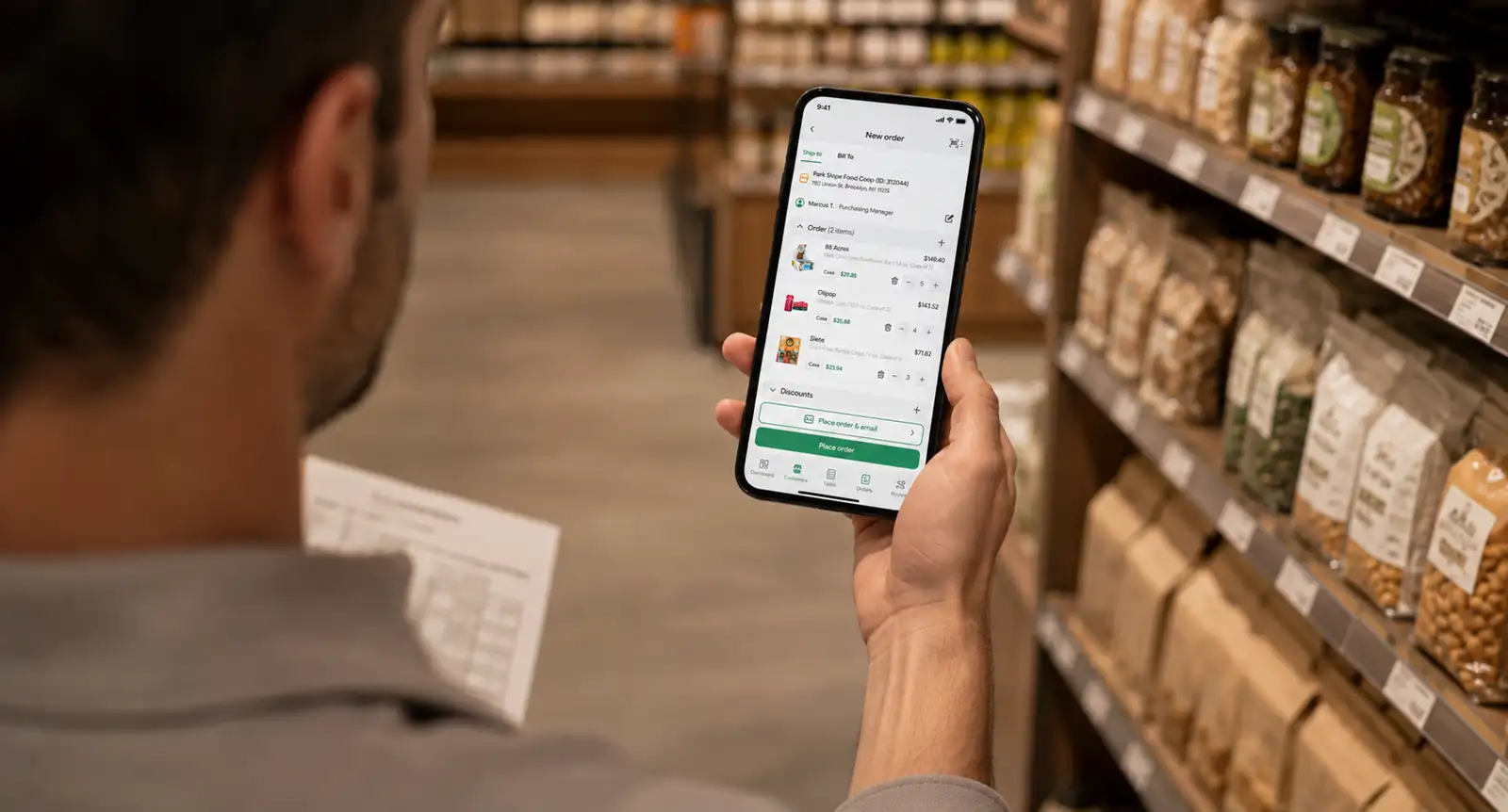
Retail merchandising services and how to choose a company


Retail merchandising services cover the in-store work a consumer packaged goods (CPG) brand needs, including shelf replenishment, display installation and audits. When choosing a merchandising company, check that it can cover your actual store list, follow retailer rules and document completed work. Test those commitments in a small, representative pilot before signing up for a larger program.
How do brands choose a merchandising company
Compare providers on five things: store coverage, task expertise, staffing, evidence quality and total program cost. Give each finalist the same scope and acceptance rules, then test the proposed service in a pilot. Track accepted work separately from attempted visits so you can see what your budget delivered.
What retail merchandising services cover
Your brief should specify the store tasks needed to meet your retail agreement and how to verify them. Common services include:
- Shelf maintenance: facing products, replenishing from available backroom stock and rotating inventory according to approved instructions
- Resets and new item cut-ins: arranging authorized products to an approved planogram, the diagram specifying shelf placement
- Display execution: installing approved promotional materials, checking placement and maintaining displays during the campaign
- Retail audits: recording product availability, shelf prices, facings, display condition and other agreed observations
- Exception reporting: documenting missing inventory, access problems or a rejected placement and routing the issue to someone who can resolve it
For example, Acosta’s merchandising services include continuity coverage, display installation, retailer-mandated work and project support. Check the individual proposal to see exactly which tasks are included.
Decide whether the rep should report a problem, correct it or do both. An audit can identify an empty shelf, but replenishing it requires available stock and permission to move it. If the next step is an order, the rep needs an authorized ordering process. Spell out who handles each step.
Your broker may manage buyer relationships, and your distributor may deliver product. Check whether either also services the shelf before paying for overlapping coverage. For decisions about placement, displays and promotion design, see the guide to retail merchandising strategies.
Choose a service model that fits the work
Start with the frequency and complexity of your program. A recurring shelf check and a time-sensitive store reset need different staffing plans.
|
Model |
When to consider it |
What to verify |
|---|---|---|
|
Shared or syndicated team |
Repeatable tasks across stores already on the provider’s routes |
Time allocated to your work, visit windows and priority during busy periods |
|
Dedicated team |
Frequent visits or tasks needing deeper brand knowledge |
Which people and management time are reserved for you, plus backup coverage |
|
Project or surge team |
A launch, reset or seasonal display with a defined completion window |
Crew availability, training, installation requirements and revisit capacity |
|
Hybrid program |
Different service needs across chains, regions or store tiers |
One reporting standard and a clear owner across all teams |
Providers package these options differently. CROSSMARK’s retail solutions, for example, distinguish syndicated, dedicated, consortium and project teams. Ask the provider to explain how its proposed model would work across your store list.
If you already have local staff and management capacity, an in-house team is another option. Account for the full workload, including recruiting, training, routing, supervision and replacement coverage. You can also keep key accounts with your own team and outsource the rest.
Define the scope before requesting quotes
Give each provider the same store-level brief. A request to “merchandise 200 stores” leaves too much room for different assumptions about travel, shelf work and reporting.
Include store addresses, retailer banners and service windows. Flag launch priorities and stores with unusual access or equipment requirements. Ask the provider to confirm coverage against this list and identify any gaps. Even with a national provider, you need to know who is available for each location on your dates.
For the assortment and tasks, provide your SKU list, product photos, current planogram and promotion dates. Keep product identifiers consistent: a Global Trade Item Number (GTIN) identifies a product, while a UPC is a barcode that carries the identifier for scanning, as GS1 US explains. Specify the pack size as well as the flavor so reports do not mix cases with consumer units.
Be clear about what reps are allowed to do. Confirm who authorizes shelf changes, price-label corrections, backroom access and display placement, and require reps to follow the retailer’s current process. Name the brand or distributor contact to call when inventory or approval is missing. Reps should know when to stop and escalate.
Set reporting and commercial terms in the brief. Specify required photos, report fields, submission timing, evidence review and rework. Ask bidders to list exclusions, subcontracting arrangements, cancellation terms and chargeable return visits. Agencies can make proposals easier to assess by answering the brief directly and flagging exceptions.
Evaluate merchandising companies with a scorecard
Ask finalists for a sample visit report, a staffing plan and a reference from a similar program. Review these alongside the sales presentation to check how the proposal would work for your stores.
Use the scorecard after basic eligibility checks. These suggested weights can be adjusted to your program; they are not an industry benchmark.
|
Criterion |
Weight |
Evidence to request |
|---|---|---|
|
Coverage and retailer access |
25% |
Store-level coverage confirmation and access requirements |
|
Task and category experience |
20% |
Comparable work samples and training for your tasks |
|
Quality control and evidence |
20% |
An anonymized visit report, rejection rules and rework process |
|
Staffing and continuity |
15% |
Supervision, backup staffing and subcontractor responsibilities |
|
Reporting and data access |
10% |
A sample export, access controls and end-of-program data handover |
|
Commercial clarity |
10% |
Full cost assumptions, exclusions and change-control terms |
Rate each criterion from 0 to 5, where 0 means no acceptable evidence and 5 means strong evidence against your specific requirement. Multiply each rating by the weight in percentage points, divide by 5, and add the results for a score out of 100. For example, a coverage rating of 4 earns 20 points: 4 × 25 ÷ 5.
Check mandatory requirements separately. A provider still needs the required retailer access, insurance documentation and availability for essential service windows, regardless of its overall score. Confirm current requirements with the retailer and your procurement team.
When checking references, ask permission to discuss a comparable program, including its retailer mix and scope. Then ask how the provider handled a missed visit or disputed report. Ask about the management response as well as the fieldwork.
Compare pricing on the same scope
To compare quotes for retail merchandising services, first check the billing basis. Ask whether the provider charges per visit, per hour, per project or for dedicated staffing, and which management or technology fees apply. A rate is only useful when you know what it covers.
Costs depend on route density and travel, time per store, visit frequency, task complexity and the service window. A rural reset requiring equipment and overnight work needs a different budget from a short shelf check on an established route.
Have bidders separate the base service from training, travel, materials, reporting, minimum commitments and return visits. Check how charges change if a store refuses access, a display kit arrives late or your team revises the instructions after scheduling.
Use two figures when comparing proposals:
- Total program cost = service fees + management and technology fees + travel and materials + approved additional work
- Cost per accepted visit = total program cost ÷ visits meeting the agreed acceptance standard
Compare cost per accepted visit only when the visit scopes are equivalent. Show blocked attempts and their charges separately, and keep the full agreed store list in the report. Otherwise, a provider covering only easy locations can look more efficient than one serving the whole assignment.
Agree on evidence and acceptance before launch
A check-in alone will not tell you whether the shelf work was completed. The visit record should let a reviewer see what the rep did, what changed and what still needs attention.
Record the store, rep, date, tasks and outcome for each visit. Specify photo angles that show the relevant shelf or display, with before-and-after images when the work changes its condition. Agree on how photos are linked to the store and how capture times are recorded. A location record alone cannot prove that a display was installed correctly.
Use separate statuses for accepted work, rework needed and blocked work. Accept work when the agreed tasks and evidence meet the standard. For blocked work, record the reason, supporting evidence, who will handle it and the resolution deadline. Your contract should address whether a blocked attempt is billable. Keep that billing decision separate from whether the task was completed.
Agree on the definitions behind your reports:
|
Measure |
Suggested definition |
What it reveals |
|---|---|---|
|
On-time accepted visits |
Visits completed within the service window and accepted ÷ all visits due |
Coverage delivered to the agreed standard |
|
First-pass acceptance |
Submitted visit reports accepted without rework ÷ all submitted reports |
Quality of the initial execution and evidence |
|
Task compliance |
Verified compliant checks ÷ all applicable checks completed |
Whether the observed shelf or display meets the agreed criteria |
|
Exception resolution |
Issues closed by the agreed deadline ÷ all issues due for resolution |
Whether reported problems receive follow-through |
Show missed visits, blocked work and unassessed checks beside these rates. Leaving them out can make the percentages look better while hiding unfinished work. Also distinguish tasks the agency can control from those that depend on retailer decisions or product supply.
Before launch, decide who will review reports and how often. Retail execution software can help keep store visits, tasks and evidence in a consistent record for the field team and manager.
Review sales outcomes separately from task completion. Point-of-sale (POS) data can help you compare sales with execution, but promotion depth, distribution, supply and seasonality also affect results. When comparing test and non-test stores, match the assortment, trading period and conditions as closely as possible. A short before-and-after increase alone does not establish that the agency caused it.
Run a representative pilot before expanding
Choose pilot stores that reflect the full program, including different formats, travel conditions and known access constraints. Allow time for repeat visits and for the team to correct problems found during review. Agree on the budget, acceptance thresholds and the decision you will make before the pilot starts.
For a hypothetical CPG example, consider a snack brand that wants weekly coverage for three SKUs across 40 grocery stores during a four-week promotion. The scope covers availability checks, permitted shelf replenishment, verification of an approved display and photos. The program calls for 160 scheduled visits.
Suppose the agency submits all 160 visit reports. The brand accepts 144 on the first review and eight more after rework. Five visits remain blocked by store access, and three still lack acceptable evidence. First-pass acceptance is 90%: 144 divided by 160. Final acceptance at the review date is 95%: 152 divided by 160. On-time acceptance must be calculated separately using the actual service deadlines.
For each of the eight unresolved visits, the agency names the person responsible and the next action. The brand can then check whether its brief lacked access approvals, whether the provider escalated promptly and whether the same team repeatedly submitted inadequate evidence. These numbers are illustrative, not customer results or recommended performance targets.
Use the criteria agreed before the pilot to decide whether to expand. If a task or access process was unclear, fix it and test that part of the work again. Document any changes to scope, staffing and reporting before adding stores.
Choose a partner you can manage store by store
Your brand and agency should agree on what completed work looks like before the first visit. Put that standard in a precise brief, compare providers against it and test the proposed service in real stores. Keep unresolved issues in the report, with a clear next action.
SimplyDepo supplies the software to support this work. Your brand or merchandising agency supplies the field team. The platform for merchandisers supports GPS check-ins, brand-specific forms, shelf photos and client reporting. Its merchandising software also brings store tasks and order capture into the same workflow when reps are authorized to place replenishment orders.
Bring a real visit brief and the report you want to receive to a SimplyDepo demo. Use them to check whether the software supports your agreed service standard.
Frequently asked questions
Yes. You can request coverage for a specific region, retailer or launch. Ask about minimum spend, minimum store count and route availability. Define the task and acceptance standard for each visit so you can judge whether a focused program delivers what you need.
Do not assume it does. Confirm the authorized assortment, placement and any selling responsibilities before visits begin. If the provider also offers sales representation or buyer outreach, specify that service separately from carrying out existing shelf and display agreements.
Base the schedule on the task, promotion dates and what you observe in stores. A launch may need close follow-up, while a stable account may need fewer checks. Use the pilot to see whether the proposed frequency catches problems in time and fits your budget.
The rep should record the blocker, supporting evidence and time of the attempt, then notify the person responsible. Agree in advance on escalation timing, who approves a return visit and how it will be billed. Keep the issue open until it is resolved or formally closed with a reason.
Set ownership, permitted use, access, retention and export rights before the program starts. Check that your brand can retrieve the records it needs when the relationship ends. If an agency serves multiple brands, ask it to show how it keeps each client’s information separate.
Software supports planning, task capture, reporting and review. People still need to do the in-store work. You can use software with your own team, an agency or both, so consider the staffing arrangement and reporting system together.
-
 October 20, 2026
-
 October 20, 2026
-
 October 20, 2026