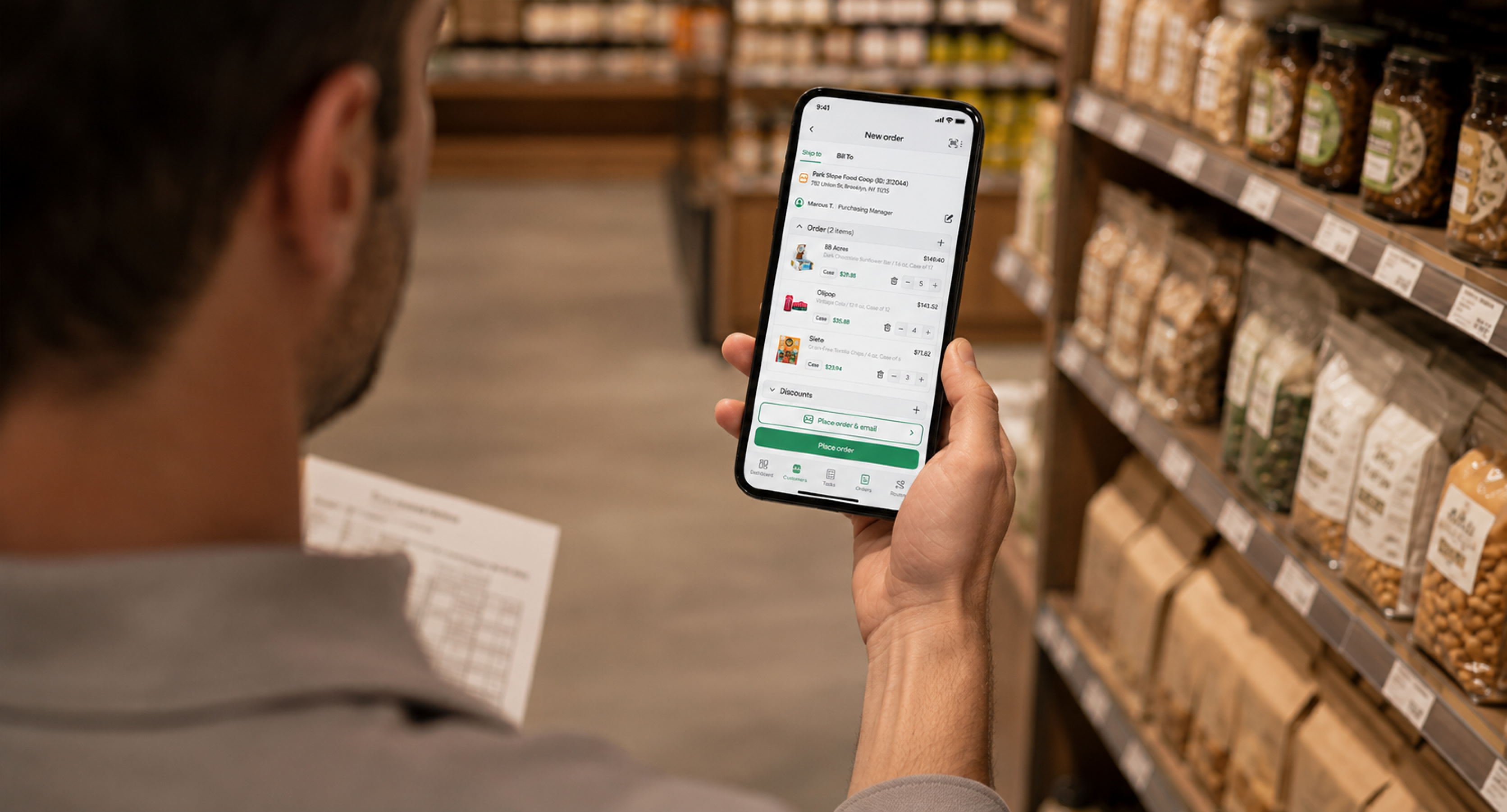
How to Get Your Product into Retail Stores: Step-by-Step Guide


Getting your product onto retail shelves is exciting, but retail launches can get complicated fast. Stores want products that look ready, solve a clear problem, and fit their customers.
That’s why strong preparation matters before you pitch anything, especially since HubSpot notes that successful product launches depend on clear messaging, strategy, and customer adoption.
This guide shows you how to launch a product with more confidence and fewer mistakes.
You’ll learn how to research retailers, prepare your pitch, avoid common problems, and launch a product into stores step by step successfully.
What does it really take to launch a product in retail?
Launching a product in retail takes more than sending a few emails to stores and waiting for orders.
Retail buyers want products that are ready for shelves, easy to understand, and likely to sell consistently. That’s why preparation matters before you even start pitching retailers.
The retail launch process usually looks like this:
- Product preparation → Finalize your packaging, pricing, margins, inventory, and sales materials before approaching stores.
- Retailer research → Focus on retailers that match your category, audience, and price point.
- Buyer outreach → Create a clear pitch that explains why your product belongs in their stores.
- Retail negotiations → Discuss margins, order sizes, delivery expectations, and shelf placement requirements.
- Retail execution → Support the launch with promotions, restocking, merchandising, and follow-ups after placement.
Retail also works differently from ecommerce. Online, you control your website, ads, and customer experience. In stores, shelf space is limited, competition is stronger, and retailers decide what gets visibility.
Even strong products can struggle if execution inside stores is weak. McKinsey research shows that fixing in-stock problems often takes coordination across merchandising, supply chain, store teams, IT, and ecommerce.
Another important thing to understand is the difference between getting listed and actually selling. A listing only gets your product onto shelves.
Real retail growth depends on visibility, product availability, and repeat purchases over time.
Many brands expect retail launches to move fast. In reality, growth usually takes testing, adjustments, patience, and consistent support after launch.
If you’re learning how to launch a product, focus on building a system that helps your product keep selling after it reaches stores.
Is your product retail ready?
Before you start pitching retailers, make sure your product is truly retail ready.
Stores expect products that are easy to stock, compliant, and reliable. If you skip this step, even a strong product can struggle.
Your packaging should look professional and include barcodes, ingredients, warnings, or other required labeling details. Pricing matters too. Your margins should work for both your business and the retailer.
You should also make sure your production capacity is reliable. Retailers want suppliers that can handle larger orders and restock products consistently. Shelf life and logistics matter as well, especially for products with storage or shipping requirements.
💡 Pro Tip
Test your packaging in real shipping conditions before pitching retailers. Even small shipping damage can create problems with buyers quickly.
Before outreach, double-check all compliance and regulatory requirements for your category.
If you’re learning how to get into retail stores, preparation matters just as much as pitching. Strong retail readiness also helps you understand how to get your product into retail stores successfully.
How do you research the right retail partners?
Finding the right retail partners is just as important as having a strong product. Not every store is a good fit, and targeting the wrong retailers can waste time, money, and inventory.
Here’s what you should research before reaching out to retailers:
- Store formats → Some products fit grocery chains, while others work better in specialty stores, boutiques, convenience stores, or big-box retailers. Your pricing and branding should match the store type.
- Customer demographics → Study the retailer’s audience, including spending habits, lifestyle, and shopping behavior. Your product should feel relevant to their customers.
- Competitor presence → Check which similar products already sell in stores, how they’re priced, and how they’re displayed. This helps you understand market expectations and positioning.
- Regional vs national retailers → Regional chains are often easier for smaller brands to enter and may offer faster launch opportunities.
- Retailer expectations → Review listing requirements before outreach. Many stores expect specific margins, packaging standards, certifications, and reliable supply.
If you’re learning how to launch a product, strong retail research helps you target the right stores and pitch more confidently from the start.
How do you approach retail buyers?
Approaching retail buyers can feel intimidating at first, especially if you’ve never pitched to stores before. Buyers move fast, review countless products, and usually focus on numbers, demand, and shelf potential.
That’s why your pitch needs to stay clear, practical, and easy to understand from the beginning.
Build a compelling pitch deck
Your pitch deck should quickly explain what your product is, who it’s for, and why it deserves shelf space.
Don’t overload buyers with too much information or long brand stories. Focus on the details that help retailers understand the business opportunity and sales potential.
A strong retail pitch usually includes:
- Product overview → Explain the product clearly and keep the value proposition simple.
- Category demand → Show market trends, customer interest, customer reviews, or sales proof when possible.
- Differentiation → Explain what makes your product different from competitors already on shelves.
- Pricing and margins → Include wholesale pricing, suggested retail pricing, and retailer margins.
- Promotional plans → Show how you’ll support the launch through marketing, promotions, influencer campaigns, or social proof.
Good visuals help too. Clean packaging photos, shelf mockups, and simple charts make your presentation easier to follow and more professional.
Prepare for buyer objections
Most retail buyers will ask difficult questions before making decisions. They may ask about supply reliability, shipping timelines, pricing, shelf life, or competitor comparisons.
This is a normal part of the process and doesn’t mean the meeting is going badly.
💡 Pro Tip
Prepare written answers for your most likely buyer objections before every meeting. Clear, confident answers help buyers feel more comfortable working with you.
The best approach is to stay realistic and prepared. If you can clearly explain how you’ll handle inventory, promotions, restocking, and customer demand, buyers will usually feel more confident working with you.
Understand basic retail negotiations
Retail negotiations are rarely only about getting a yes or no answer.
Buyers often want to discuss margins, test orders, promotional support, payment terms, delivery expectations, launch timelines, or wholesale licensing requirements before moving forward.
If you’re learning how to get your product into retail stores, remember that preparation matters just as much as the product itself.
Clear communication, realistic expectations, and strong planning make buyer conversations much easier and more productive.
What happens during the listing process?
Getting approved by a retailer is a big step, but the listing process usually involves much more work before your product actually reaches shelves.
Retailers need to confirm that your business can support ongoing orders, logistics, inventory management, and operational requirements before fully onboarding you as a supplier.
Here’s what usually happens during the listing process:
- Vendor onboarding → Retailers collect business documents, tax details, insurance certificates, banking information, compliance paperwork, and product specifications before approving you as a supplier.
- Trade terms and slotting fees → Buyers may negotiate pricing, payment timelines, promotional support, retailer margins, and slotting fees for shelf placement in competitive categories.
- Distribution agreements → Retailers decide how products will move through their system, including direct store delivery, warehouse shipping, or third-party distribution partners.
- EDI and system integration → Larger chains often require EDI integration to manage purchase orders, invoices, inventory updates, and shipping information automatically.
- Timeline expectations → Even after approval, onboarding, setup, inventory planning, and system integration can take weeks or months before products officially appear in stores.
The process may feel slow, especially for newer brands, but that’s completely normal in retail.
Buyers want to reduce operational risks and make sure suppliers can handle long-term retail demands before launching products on shelves.
If you’re learning how to launch a new product, understanding the listing process early helps you prepare more confidently and avoid unnecessary delays later.
How do you plan inventory and distribution?
Inventory and distribution planning can make or break a retail launch. Even strong products can struggle if stores run out of stock, shipments arrive late, or inventory levels don’t match demand. That’s why planning early is so important before you launch a product into retail.
Start by forecasting demand as realistically as possible. Don’t assume every store will sell at the same speed right away. Use ecommerce sales, preorder numbers, retailer estimates, or regional trends to build more accurate projections.
This helps you avoid overproducing or running out of inventory too quickly.
Safety stock also matters. Extra inventory gives you a buffer if demand grows faster than expected or shipments get delayed. Retailers usually prefer suppliers that can restock products consistently without creating gaps on shelves.
You also need to choose the right distribution model based on your retail partners and launch strategy. The most common options include:
- Warehouse distribution → Products ship to retailer distribution centers before moving to stores.
- Direct store delivery → Products go directly to individual store locations.
- Third-party logistics → External logistics companies handle warehousing, shipping, and fulfillment.
Regional rollouts are common too. Many retailers test products in smaller markets before expanding nationally. This helps stores reduce risk and measure demand before committing to larger orders.
If you’re learning how to launch a product, strong inventory planning is just as important as sales or marketing.
Reliable forecasting, organized distribution, and consistent supply help retailers trust your brand and keep products on shelves long term.
How do you create in store visibility at launch?
Strong in-store visibility can make a huge difference during a retail launch. Even great products can get ignored if shoppers don’t notice them quickly.
That’s why launch execution matters just as much as getting shelf placement in the first place.
Use promotional strategies to drive attention
Many brands start with introductory discounts to encourage first purchases and increase product trial early on. Limited-time offers can also help retailers move inventory faster during launch periods.
Placement matters too. Products placed on end caps, feature displays, or high-traffic shelves usually get much more visibility than products placed in standard aisles.
Retailers may charge extra for premium placement, but it often improves launch performance significantly.
💡 Pro Tip
Ask retailers which shelf locations usually perform best for similar products. Better placement can improve visibility and early sales significantly.
Support products with in store materials
Point of purchase materials help products stand out and communicate value faster. Shelf talkers, signage, branded displays, and promotional messaging make it easier for shoppers to notice products and understand them quickly.
Some brands also use sampling or demo events to increase awareness. Letting customers try products in person can improve trust and encourage impulse purchases, especially in food, beverage, beauty, or wellness categories.
Coordinate marketing with store launches
Your marketing should match store timing as closely as possible. Social media campaigns, influencer promotions, email marketing, and paid ads work much better when customers can immediately find products in nearby stores. You can also use an AI flyer maker to quickly create promotional materials for your retail launch and in store campaigns.
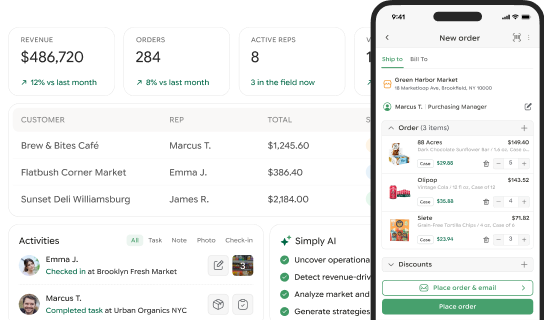
Execution consistency matters too. Verified distribution software tools like SimplyDepo help brands confirm that promotional displays are set up correctly through photo proof, task tracking, and real-time reporting across store locations.
If you’re learning how to launch a product line, remember that visibility drives early retail momentum. The easier your product is to notice and buy, the stronger your launch results will usually be.
How can you align marketing with retail rollout?
Marketing works best when it matches your retail rollout timing. If customers see your product online but can’t find it in stores yet, you can lose momentum, traffic, and sales quickly.
Here are a few ways to align marketing with retail launches:
- Social media announcements → Tell customers when products arrive in stores, where they’re available, and what makes the launch special.
- Influencer partnerships → Work with creators who can build awareness and encourage nearby shoppers to visit stores and try the product.
- Geo targeted advertising → Run ads only in regions where products are already available to make campaigns more relevant and efficient.
- In-store and online alignment → Keep promotions, visuals, pricing, and messaging consistent across ads, retailer websites, social media, and physical stores.
- Driving traffic to retail locations → Use store locators, launch offers, and location-based campaigns to encourage customers to visit specific stores.
If you’re learning how to launch a new fmcg product in the market, timing matters just as much as visibility.
Understanding how to launch a product successfully also means keeping messaging and product availability consistent across stores and online authorized retailers from day one.
What metrics should you track after launch?
Launching into retail is only the beginning. After products reach shelves, you need to monitor performance closely to understand what’s working and where adjustments are needed.
Here are some of the most important retail launch metrics to track:
| Metric | Why it matters |
|---|---|
| Sell through rate | Shows how quickly products sell after stores receive inventory |
| On shelf availability | Helps spot stockouts and missing products early |
| Inventory turnover | Measures how efficiently inventory moves through stores |
| Reorder frequency | Shows whether retailers continue placing new orders |
| Promotion lift | Tracks how discounts or displays affect sales |
| Regional sales performance | Helps identify stronger and weaker launch markets |
| Customer feedback and reviews | Reveals how shoppers respond after purchase |
Order management software like SimplyDepo also help brands monitor store visits, sell-through signals, retail execution compliance, and reorder activity in real time during launches.
If you’re learning how to launch a product, tracking retail performance early helps you improve execution and scale more confidently.
What are the most common retail launch mistakes?
Retail launches can fail even when products are strong. In many cases, the problem comes from poor planning or weak execution after products reach stores.
One common mistake is underestimating demand. Running out of stock too quickly can hurt retailer trust and slow sales momentum. Other brands make the opposite mistake by overproducing inventory before securing retail distribution.
Ignoring retailer guidelines can also create delays and damage buyer relationships. Weak in-store execution, poor shelf placement, or failing to follow retail merchandising rules may reduce visibility and sales.
Communication matters too. Slow responses and unclear updates make retail partnerships harder to manage. Some brands also fail to monitor performance early enough, making problems harder to fix later.
If you’re learning how to launch a product line, avoiding these mistakes can save time and retailer relationships.
Understanding how to launch a new product successfully often comes down to preparation and consistent execution after launch.
How do you scale after a successful launch?
A successful retail launch is only the beginning. Once products start selling consistently, the next step is growing distribution without losing execution quality.
Scaling too fast can create inventory, logistics, and retailer relationship problems, so expansion should stay controlled and data-driven.
Common ways brands scale after launch include:
- Additional store locations → Expand within existing retail chains after strong early sales results, stable inventory levels, and consistent restocking performance.
- New distribution regions → Grow market by market instead of scaling nationally all at once to reduce operational risks and manage demand more effectively.
- Product variations → Add new flavors, sizes, bundles, or seasonal products to increase shelf presence and attract more customers over time.
- Pricing optimization → Adjust promotions, discounts, and pricing strategies based on regional sales performance, retailer feedback, and customer demand.
Retail growth also depends heavily on strong retailer relationships.
Buyers are more likely to expand products into new locations when suppliers communicate clearly, deliver inventory on time, and continue supporting stores after launch. Reliable execution helps retailers feel more confident investing in your brand long term.
As distribution grows, brands also need to monitor inventory, promotions, and sales performance more closely. Problems that seem small in a few stores can become expensive at larger scale very quickly if they aren’t fixed early.
If you’re learning how to launch a new fmcg product in the market, remember that scaling successfully depends on consistency after launch.
Strong operations, reliable supply, good communication, and retailer trust usually drive the best long-term retail growth results.
Turn your retail plan into action
Getting products into retail stores takes more than a strong idea. Retail success depends on preparation, persistence, and consistent execution after launch.
Learning how to get into retail stores means understanding that shelf placement alone doesn’t guarantee long-term sales or retail growth.
Execution at the shelf matters just as much as getting listed. Products need strong visibility, reliable inventory, and consistent promotional support to keep selling over time. Strong retailer relationships also help brands grow and expand into more locations.
Continuous optimization matters too. Brands that monitor sales performance, improve promotions, adjust pricing strategies, and react quickly to problems are usually more successful in competitive retail environments.
If you’re learning how to launch a product, remember that retail growth is an ongoing process, not a one-time event.
To improve retail execution, inventory visibility, and store performance tracking, consider booking a demo with SimplyDepo.
FAQs
Most retail launches take several months from buyer approval to store placement. Timelines depend on onboarding, inventory preparation, packaging updates, retailer requirements, and distribution setup. Smaller retailers may move faster, while larger chains often require longer operational reviews and planning before launch.
Retail buyers look for products with strong demand, clear positioning, reliable supply, and realistic margins. Packaging matters too. If you’re learning how to launch a product, remember that buyers also value brands that communicate clearly, support promotions, and maintain consistent execution after launch.
You should produce enough inventory to support launch demand without creating unnecessary overstock risks. Start carefully. Most brands use retailer estimates, preorder numbers, or ecommerce sales to forecast production, while keeping safety stock available for unexpected demand increases after launch.
Retail launches often fail because of weak planning, inventory problems, or poor in-store execution after products reach shelves. Some brands underestimate demand, while others overproduce before securing confirmed distribution. Slow communication, missing retailer requirements, and weak promotions can also reduce retail performance quickly.
Brands support products after launch through promotions, merchandising, inventory management, and regular retailer communication. Visibility matters. If you’re learning how to get into retail stores, remember that long-term retail growth usually depends on consistent execution, reliable restocking, and ongoing performance monitoring after launch.
 Rated 4.7 on G2
You shouldn't need 5 tools to run distribution.
-
 September 16, 2026
 -
 September 15, 2026
 -
 September 15, 2026