What Is a Merchandiser? Roles, Responsibilities, and Salary

📌 Key Takeaways
- A merchandiser manages product placement, shelf displays, inventory levels, and promotional execution in retail environments.
- There are five main types: retail, field/CPG, visual, e-commerce, and fashion merchandisers.
- U.S. salaries range from approximately $24,000 for entry-level retail merchandisers to $70,000+ for senior and managerial roles.
- No college degree is required to start. A high school diploma, one to two years of retail experience, and a certification like the NRF’s CPRM can launch a career.
- Field merchandisers increasingly use mobile platforms like SimplyDepo for route planning, shelf audits, photo-based compliance, and real-time reporting.
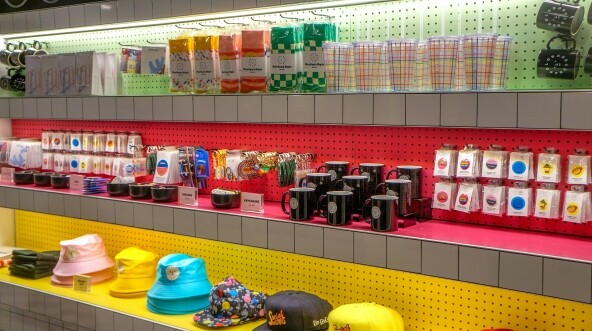
Every product you notice on a retail shelf got there because someone planned it. The placement, the signage, the fully stocked row of units facing label-out: none of that is accidental. Behind it is a merchandiser whose job is to make sure the right product shows up in the right spot, looking exactly as the brand intended.
Some merchandisers cover 15 stores a week on behalf of a beverage distributor. Others design window displays at a flagship fashion retailer or optimize product page layouts for an online storefront. The settings differ, but the job is the same: make products visible and easy to buy at the point of purchase.
In this article, we’ll discuss the five main types of merchandising roles, what each role pays, the skills and certifications that accelerate career growth, and the tools field teams use to manage store visits at scale.
Merchandiser Job Description: What Does a Merchandiser Do on a Typical Day?
A field merchandiser’s morning starts early. By 7 AM, they’re walking the aisles of a grocery chain, comparing shelf layouts against a planogram, pulling expired product forward, and restocking gaps from the back room.
They photograph each section with a mobile app, flag out-of-stock SKUs to the store manager, and place a replenishment order before driving to the next location. By lunch, they’ve visited three stores. The afternoon is spent submitting compliance reports, reviewing sales data from the previous week, and prepping a display for an upcoming promotion at a fourth store.
That’s the reality of merchandising in the consumer packaged goods (CPG) world, but the role looks different across industries.
For instance, a visual merchandiser at a fashion retailer spends their time designing window displays and styling mannequins. Whereas a digital merchandiser at an e-commerce company optimizes product page layouts and tests banner placements.
Regardless of industry, the merchandiser job description comes down to one thing: controlling how products appear to shoppers at the point of purchase.
What are the Different Types of Merchandisers?
Five distinct types of merchandisers operate across the U.S. retail and distribution landscape. Each shares a core focus on product presentation and sales performance, but their day-to-day work, settings, and employers differ significantly.
- Retail merchandisers work inside stores, managing shelf space, inventory levels, and in-store displays for a single retailer or chain. They’re the ones restocking shelves, rotating products, and setting up point-of-purchase signage at locations like grocery stores, department stores, and big-box retailers.
- Field merchandisers (CPG merchandisers) cover a territory of multiple stores on behalf of a brand or distributor. They follow a planned route each day, auditing shelf conditions, setting up promotions, and capturing compliance data. This is the most route-dependent type, and field merchandising teams increasingly rely on mobile platforms for visit tracking, photo capture, and order placement.
- Visual merchandisers design and install product displays, window setups, and store layouts that reinforce brand identity. They’re most common in fashion, luxury, and lifestyle retail, where aesthetics directly influence foot traffic and conversion.
- E-commerce (digital) merchandisers manage product listings, site navigation, and promotional banners on online storefronts. Their work involves A/B testing page layouts, analyzing click-through rates, and personalizing product recommendations.
- Fashion merchandisers sit at the intersection of buying and product strategy. They forecast trends, select product assortments, plan seasonal collections, and manage purchasing budgets for apparel and accessories retailers.
| Type | Primary setting | Key focus | Typical employer |
|---|---|---|---|
| Retail merchandiser | In-store (single chain) | Shelf management, inventory, displays | Retailers, big-box chains |
| Field/CPG merchandiser | Multi-store territory | Route-based audits, compliance, reorders | CPG brands, distributors |
| Visual merchandiser | Flagship/high-end stores | Store design, window displays, brand aesthetics | Fashion and luxury retailers |
| E-commerce merchandiser | Online/remote | Product pages, site layout, conversion | E-commerce companies |
| Fashion merchandiser | Office + showrooms | Trend forecasting, buying, seasonal planning | Apparel brands, department stores |
What are the Core Responsibilities of a Merchandiser?
The work clusters around five areas.
- Product placement and display setup: Merchandisers arrange products on shelves, endcaps, and freestanding displays according to planograms or brand guidelines. They install promotional signage and ensure pricing labels are accurate and visible
- Inventory monitoring and stock replenishment: Auditing shelf stock is a daily task. Merchandisers identify out-of-stock items, coordinate reorders with store managers or warehouse teams, and rotate products to minimize shrinkage and expiration
- Data collection and reporting: Field merchandisers photograph shelf conditions, log competitor positioning, and record sales figures. This data feeds into reports that help brands and retailers adjust pricing and assortment decisions
- Collaboration across teams: Merchandisers work with store managers on display placement, with suppliers on delivery schedules, with marketing teams on campaign execution, and with field sales reps on account strategy. Strong communication skills are essential because the role sits at the intersection of multiple functions
- Promotional execution: Seasonal displays, new product launches, and trade promotion campaigns all require hands-on execution. Merchandisers build the displays, place the materials, and confirm that promotions run correctly in every assigned location
What Skills Do You Need to Be a Merchandiser?
Successful merchandisers combine analytical ability with physical stamina and creative acumen. Here are the skills U.S. employers look for:
- Attention to detail is the baseline. Planogram compliance, pricing accuracy, and shelf appearance depend on noticing what’s wrong and fixing it before a customer sees it
- Analytical thinking separates strong merchandisers from average ones. Reading sales reports and spotting trends in SKU performance require comfort with numbers and data
- Organizational and time management skills are crucial, especially for field merchandisers covering multi-store territories. Prioritizing tasks, managing route schedules, and completing store visits within tight windows is daily work
- Physical stamina is non-negotiable. The role involves standing for extended periods, bending, lifting boxes, and moving product between stockrooms and sales floors
- Communication ties everything together. Merchandisers coordinate with store managers, report to brand headquarters, and sometimes train junior staff or retail associates on display standards
- Tech literacy is a growing requirement. Field merchandisers use route-planning software, mobile audit apps, barcode scanners, and reporting dashboards. Comfort with these tools directly affects productivity and the quality of data captured in the field
How Much Do Merchandisers Make?
U.S. merchandiser salaries vary significantly by role type, experience level, and location. Here’s how compensation breaks down across the field.
| Role level | Annual salary range (U.S.) | Source |
|---|---|---|
| Retail merchandiser | $24,000 to $43,000 | PayScale |
| General merchandiser | ~$36,000 | ZipRecruiter |
| Merchandiser (average) | $58,430 | Salary.com |
| Senior/managerial | ~$86,000 to $1,00, | Salary.com |
By experience: Entry-level merchandisers earn approximately $14.99 to $15.86 per hour, according to PayScale. For experienced professionals, the rate goes up to $17 per hour.
Source: Merchandiser Hourly Pay in 2026 | PayScale
By location: The highest-paying U.S. states for merchandisers are:
- District of Columbia: $64,694/year
- California: $64,448/year
- Massachusetts: $63,589/year

Source: Salary.com
How Do You Become a Merchandiser?
The merchandiser job description doesn’t demand a four-year degree. A high school diploma or GED meets the minimum requirement for entry-level positions in the U.S.
However, a bachelor’s degree in business, marketing, or retail management gives candidates an edge for advancement.
Experience matters more than education at the entry level. Starting in a retail sales associate, stock clerk, or customer service role for one to two years builds the product knowledge, store operations experience, and communication skills that hiring managers look for.
U.S. certifications can accelerate career growth. The most recognized credential is the Certified Professional in Retail Management (CPRM) from the National Retail Federation (NRF), which covers merchandising, inventory management, and customer engagement. Community colleges across the U.S. also offer certificate programs in retail merchandising and visual display.
Career progression follows a clear ladder:
Merchandiser → Senior Merchandiser → Merchandising Manager → Category Manager or Retail Operations Manager → Director of Merchandising
CPG field merchandisers have an additional lateral path: they can transition into field sales, territory management, or brand management roles, where their store-level knowledge and retail relationships become a competitive advantage.
What Software and Tools Do Merchandisers Use?
Modern field merchandisers rely on a stack of digital tools to manage route-based store visits, capture compliance data, and communicate with headquarters in real time. The shift from clipboards and spreadsheets to mobile-first platforms has been one of the biggest changes in the profession over the past decade.
The core tool categories include route planning and optimization software, mobile audit and compliance apps with photo capture, CRM and account management platforms, real-time reporting dashboards, and order management systems.
Many merchandisers also use barcode scanners and GPS-verified check-in tools to log store visits.
Merchandising software like SimplyDepo bring these capabilities together in a single system built for CPG brands, distributors, and merchandising teams.

Field merchandisers can plan optimized routes, capture shelf photos, complete audit forms, and place replenishment orders from one mobile app, even when working offline in stores with poor connectivity.

At the same time, managers get real-time dashboards showing visit completion rates, planogram compliance, and sales activity across every territory.
SimplyDepo also integrates with QuickBooks and other ERP systems, so data flows from the field to the back office without manual reconciliation.
Merchandiser vs. Buyer: What is the Difference?
Merchandisers and buyers work closely together but each owns a different part of the retail process.
A buyer selects which products a retailer will carry, negotiates pricing and terms with suppliers, and manages purchasing budgets.
Whereas a merchandiser takes those products and ensures they’re displayed, stocked, and promoted effectively once they reach the store.
| Merchandiser | Buyer | |
|---|---|---|
| Primary focus | Product presentation and in-store execution | Product selection and procurement |
| Daily tasks | Shelf audits, display setup, inventory monitoring | Supplier negotiations, assortment planning |
| Key skill | Visual presentation + data analysis | Negotiation + market forecasting |
| Typical employer | Brands, distributors, retail chains | Retailers, department stores, e-commerce |
In CPG distribution, these roles sometimes overlap. A field merchandiser might also place reorders and manage supplier relationships at the store level.
Level Up Your Merchandising Game with SimplyDepo
Understanding the role is the first step. The next is having the right tools to do it well. Field merchandisers who manage multi-store territories need a platform that keeps route schedules, shelf audits, and order placement in one place. SimplyDepo does exactly that. Book a free demo to see it in action.
FAQs
A merchandiser visits retail locations to audit shelf conditions, restock products, set up promotional displays, and capture compliance data. Field merchandisers usually cover multiple stores per day along a planned route, while in-store merchandisers focus on a single location. The day involves a mix of physical tasks (lifting, arranging products) and data work (logging inventory, submitting reports).
No. A high school diploma or GED meets the minimum requirement for entry-level merchandiser positions in the U.S. An associate or bachelor’s degree in business, marketing, or retail management can improve advancement prospects, but relevant retail experience matters more than formal education when applying for your first role.
Merchandisers focus on product presentation, shelf compliance, and in-store inventory management. Sales reps focus on building customer relationships, pitching products, and closing deals. In CPG and distribution, both roles often work on the same field team, and some positions combine merchandising and sales responsibilities into a single role.
In the U.S., entry-level merchandisers earn approximately $15 to $16 an hour, according to PayScale. Compensation increases with experience, specialization, and location. Merchandisers in high-cost states like Washington D.C., and California earn above the national average.
Merchandisers drive sales by making sure products are visible, stocked, and positioned where shoppers are most likely to pick them up. They create visually appealing displays at key store locations, execute promotional events on schedule, and monitor inventory levels so high-demand items don’t go out of stock. In the retail industry, even small improvements in shelf placement or signage can lead to measurable lifts in revenue.
Retail merchandising strategies combine planogram compliance, seasonal display rotations, and data-backed product positioning. They analyze sales data to identify which SKUs perform best in specific shelf positions, then adjust attractive displays accordingly. Strong analytical skills help merchandisers spot underperforming categories and recommend changes to assortment or pricing before a problem becomes a trend.
Merchandisers analyze sales performance across categories to identify shifts in what shoppers are buying and how those preferences change by season or region. They use that data, along with input from buyers and brand teams, to build an engaging shopping experience that reflects current demand. Inventory management systems help them track which products need more or less shelf space, so displays stay relevant and well-stocked.

-
 October 20, 2026
 -
October 20, 2026
-
October 20, 2026
